
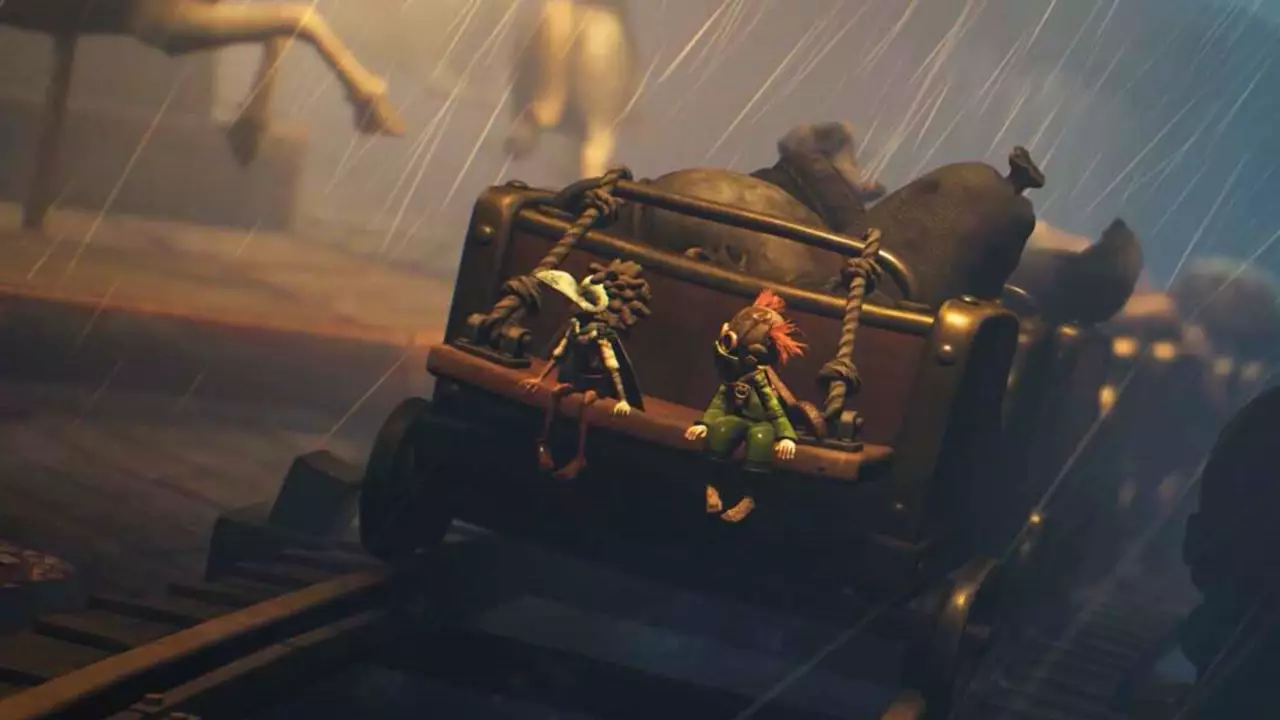
For fans of atmospheric horror puzzles, the release of Little Nightmares 3 marks an exciting evolution in the franchise. While the series has long captivated players with its dark, unsettling ambiance and intricate storytelling, this installment ventures into uncharted territory by embracing multiplayer gameplay. The inclusion of cooperative elements signifies a strategic shift that not only broadens the game’s appeal but also introduces fresh dynamics into the haunting world of Nowhere. This move feels both bold and necessary, acknowledging the rising demand for social gaming experiences even within genres traditionally associated with solitary immersions.
The game’s early demo, available now, offers a compelling glimpse into the creepy, desolate environment of The Necropolis—an abandoned city sinking into the sands of a vast desert. Controlling Low and Alone, players are thrust into a tense exploration where lurking dangers, such as the notorious Monster Baby, heighten the stakes. Whether encountering these horrors solo or with friends via online co-op, the demo’s design cleverly emphasizes the importance of collaboration in navigating treacherous scenarios. It’s a testament to the developers’ understanding that shared fear amplifies immersion and emotional impact.
What’s particularly intriguing about this approach is the dual gameplay mode: play with friends or alone with AI companions. This flexibility caters to a broader audience, accommodating both social gamers and those who prefer solitary exploration. However, the absence of crossplay might feel limiting in today’s interconnected gaming landscape, but its support for cross-generation compatibility ensures that players on the latest consoles can still team up with friends on previous gen hardware, maintaining a sense of community even amidst technical constraints.
Collector’s Editions and the Art of Immersive Collecting
Beyond gameplay, Little Nightmares 3 demonstrates a keen understanding of its community’s appetite for tangible collectibles. The Mirror Edition, exclusive to Amazon and priced at $110, encapsulates this trend by offering a lavish assortment of physical items designed to deepen fans’ connection to the series. This edition is more than a mere merchandise bundle; it’s a carefully curated artifact that amplifies the game’s eerie aesthetic and narrative depth.
The standout pieces—the Low and Alone figurines and the steelbook case—aren’t just collectibles but symbolic representations of the game’s core themes of companionship and vulnerability. The steelbook’s design, featuring the characters seemingly reaching out to find one another, cleverly encapsulates the emotional essence that fans have come to cherish. Such design choices elevate physical editions from simple extras to immersive storytelling devices, making the collector’s edition feel like an extension of the game world itself.
Additionally, the inclusion of art books, soundtracks, and themed sets signifies a thoughtful approach to community engagement. These items aren’t merely for show; they foster a sense of ownership and connection that transcends screen time. For dedicated fans willing to invest, the Mirror Edition provides a comprehensive experience—a tactile homage to the haunting universe of Little Nightmares. The price point, relative to similar collector’s editions, offers considerable value, especially considering the quality and rarity of the items bundled within.
Gameplay Expectations and Future Content Outlook
The announcement of post-launch DLC campaigns and additional costumes signals a commitment to maintaining interest long after the initial release. The Deluxe Edition’s inclusion of two extra chapters exemplifies a strategic effort to keep players engaged by expanding narrative depth. The variety of costumes, from the residents to the Ferryman and Dark Six characters, contribute to a richer, more personalized gameplay experience.
Crucially, the game’s support for multiple platforms—including upcoming consoles like the Nintendo Switch 2—indicates ambition and accessibility. It hints at a broader vision: to establish Little Nightmares 3 as a tactile and social horror experience that can reach diverse audiences. Yet, the implementation of certain features, such as the lack of crossplay at launch, might cast a shadow on seamless multiplayer interaction. This could be a missed opportunity to promote a truly interconnected community, a vital factor in today’s gaming ecosystem.
Despite these limitations, the game’s emphasis on atmospheric storytelling, combined with its multiplayer innovation and collectible excellence, suggests a title poised to redefine horror adventures for a new era. While there’s room for critique—particularly concerning technical features and online connectivity—the creative risks taken by the developers convey a bold confidence that could very well resonate with players hungry for both thrills and meaningful engagement.
Leave a Reply