
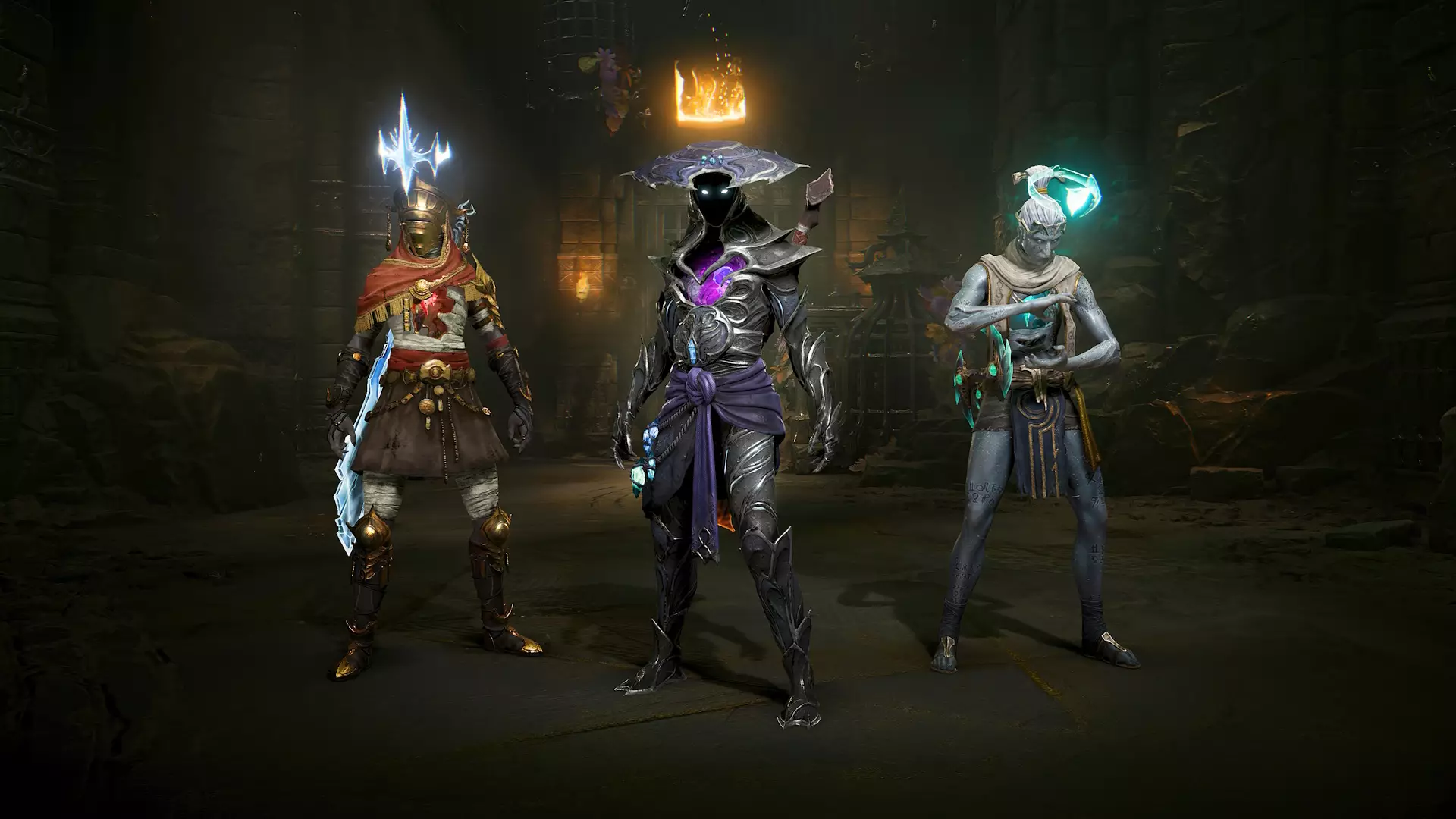
Arkheron emerges as a captivating force amid the crowded landscape of multiplayer combat games, promising a fresh yet nostalgic experience. At first glance, it combines the core elements of popular genres—top-down visuals reminiscent of Diablo, swift and strategic abilities akin to Overwatch, and the last-man-standing tension of Fortnite’s battle royale. This amalgamation signals an ambitious attempt to craft a hybrid experience unique enough to stand out, yet familiar enough to draw in fans of multiple genres. The game’s setting—a towering structure where teams of three race to survive and ascend—creates a compelling battleground that intertwines verticality and gameplay intensity. It’s a concept that tests players’ agility, tactics, and adaptability on every floor, layering in monsters and diminishing resources as the tower climbs higher, elevating the stakes progressively.
This structure challenges traditional PvP models, demanding more than mere reflexes; it requires strategic planning, adaptability, and teamwork. The idea of a central tower as the game’s arena is intriguing, offering a clear physical and symbolic challenge—a battleground that is both literal and metaphorical, pushing players to push their limits and adapt to unpredictable hazards.
Innovative Design Choices: Relics and the Power of Customization
What truly distinguishes Arkheron from its competitors is its innovative approach to character customization and ability management. Instead of fixed classes or roles, players select powerful Relics—special items that grant unique abilities—creating an intricate, dynamic gameplay system. This approach means players are constantly experimenting with their loadouts, trading off one ability for another depending on their strategy or current needs. The permanency of a chosen Relic for a match further underscores the need for thoughtful decision-making, elevating the game’s depth.
The inclusion of set bonuses and transformational mechanics—such as collecting all items from a set to evolve into an “Eternal” with a fifth, game-changing ability—adds another layer of strategic complexity. This design encourages players to explore different combinations, unlocking new playstyles and pushing the boundaries of tactical possibility. It’s a deliberate move away from traditional character roles, emphasizing adaptability and experimentation as core gameplay pillars.
Behind the Curtain: A Studio with Roots in Gaming’s Elite
Arkheron’s pedigree is undeniable. Developed by Bonfire Studios—founded by industry veterans Min Kim and Rob Pardo—the game benefits from a lineage rooted in legendary franchises like Warcraft, StarCraft, and Diablo. Pardo’s involvement, in particular, lends an air of seasoned expertise and innovation. His acknowledgment that “you have to play it to get it” signals a confident belief that Arkheron’s true essence isn’t easily conveyed through words or trailers. This speaks volumes about the game’s complexity and its potential to surprise players who approach it with an open mind.
Yet, that complexity could also pose challenges. It risks alienating players seeking straightforward, easily digestible gameplay experiences. The game’s emphasis on experimentation and mastery suggests a steep learning curve, which might limit initial accessibility but cultivate a dedicated, engaged community over time. The upcoming playtest from September 19 to 21 is likely a critical step toward refining this balance and discovering how newcomers interpret and engage with Arkheron’s intricate mechanics.
Potential Impact and the Path Forward
Arkheron stands at the confluence of innovation and tradition, attempting to carve out its own niche by blending established gameplay elements into an unpredictable new experience. Its focus on vertical progression, customizable abilities via Relics, and a constantly evolving battlefield highlights a design philosophy that values depth and complexity. However, such ambition is a double-edged sword; if not executed flawlessly, it risks overwhelming players or failing to communicate its unique appeal effectively.
The game’s success may ultimately hinge on how well Bonfire Studios can craft a learning curve that challenges but rewards players, encouraging persistent experimentation without discouraging novices. As the game is still shrouded in mystery—partly because it defies simple description—it will be fascinating to see how Arkheron’s community responds once they can get their hands on it. If executed well, this could become a trailblazing example of how hybrid game design can push the boundaries of multiplayer competition, blending the thrill of fast-paced combat with deep strategic customization in a towering, ever-present challenge.
Leave a Reply