
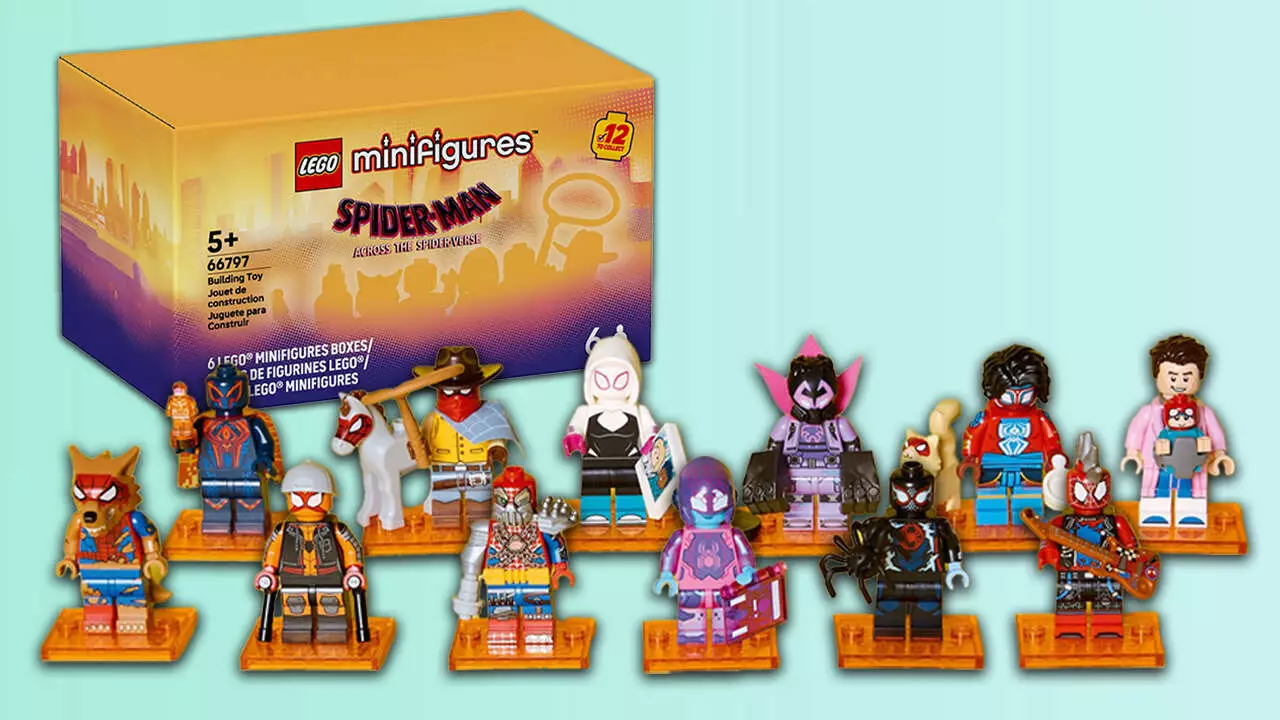
LEGO’s announcement of their upcoming Spider-Man: Across the Spider-Verse minifigure series marks a compelling milestone in building block collectibles. It’s more than just another set; it’s a bold invitation to explore the boundless versatility of the multiverse through miniature figures. Featuring a curated lineup of 12 iconic and eccentric characters, this collection emphasizes LEGO’s commitment to capturing the essence of modern superhero storytelling blended with creative play. The intention isn’t simply to assemble a static catalog of collectibles but to ignite the imagination by presenting characters who each tell a different story, embody a different facet of the Spider-Verse, and come with accessories that enhance the storytelling potential.
What makes this release particularly striking is LEGO’s deliberate decision to offer the minifigures both individually and in packs. The mystery bags create an element of surprise, fostering a sense of wonder and discovery akin to the thrill of unboxing a comic book’s new issue. Yet, this strategy invites a critical eye: the risk of duplicates is an inherent part of blind-box collectibles, which can frustrate even dedicated collectors. The chance of obtaining all 12 characters through mere luck heavily relies on the number of boxes purchased—a gamble that adds both excitement and a test of patience. This aspect highlights a broader commentary on collector culture, where the pursuit of completeness can either be a labor of love or a source of discontent, depending on one’s approach and expectations.
Character Depth and Accessorization Elevate Collectibility
The true strength of this series lies in its diverse character roster and the intricate details embedded within each minifigure. From the iconic Miles Morales to the more offbeat characters like Werewolf Spider-Man and Sun-Spider, LEGO demonstrates a daring embrace of the multiverse’s quirky corners. Accessories further amplify this diversity—Spider-Punk, for instance, wields an electric guitar, turning the minifigure into a miniature stage persona, while Web-Slinger’s unexpected prop—a horse—adds humor and a touch of absurdity. Others, like Peter B. Parker, are packaged with accessories that reflect deeper story elements, such as his baby carrier with Mayday, bridging the gap between toy and storytelling.
This emphasis on accessories signals LEGO’s understanding that collectors crave depth and narrative potential in their figures. The presence of display stands with each character underscores the importance of presentation, transforming these minifigures from mere toys into display-worthy collectibles. Such details serve as acknowledgments that these figures are not just playthings but artful representations of beloved characters and their stories. The collection’s setup encourages fans to craft scenes, recreate scenes from the film, or imagine new adventures—all of which enhance the value and appeal of the set.
Market Strategy and Collector Expectations
LEGO’s approach to the Spider-Verse series exemplifies strategic foresight in both marketing and community engagement. Limited editions or exclusive sets tend to attain cult status, and this series taps into that phenomenon. The preorders at Walmart for six-packs at $30 give a clear signal that demand is expected to be high. Yet, the pricing per figure at $6 in mystery bags suggests a deliberate attempt to balance affordability with the thrill of the unknown. This gambit encourages repeat purchases, as collectors seek to complete their collection, often turning to third-party resellers if necessary.
However, this strategy also shines a light on the inherent tension between mass production and individual collector satisfaction. Disappointment inevitably lurks in the shadows of blind-box purchasing—there’s an unspoken understanding that some will fall short of their goal despite buying multiple sets. Wide-ranging collector communities have expressed both excitement and frustration about this duplicative randomness, prompting a broader debate about fairness and the role of chance in collectible series. Nevertheless, LEGO’s decision to produce such a multifaceted set indicates confidence in the strength of their fan base’s loyalty and passion.
Expanding the LEGO Universe Beyond Minifigures
While these minifigures create buzz, they also serve as gateways into the larger LEGO universe of themed sets and collectibles. The availability of enhanced action figures like the Spider-Man Mech or the Iron Spider-Man Construction Figure speaks to LEGO’s understanding that many fans crave more dynamic, articulated representations of their favorite heroes. The success of the Spider-Man Mech at $9.49, for example, demonstrates that affordable, playable, and displayable figures continue to be a cornerstone of LEGO’s strategy.
Additionally, the integration of other affordable sets—such as LEGO Minecraft and Star Wars bundles exclusive to Walmart—illustrates a broader trend where LEGO leverages cross-genre appeal. These bundles are not just impulse buys—they’re strategic efforts to keep diverse fandoms engaged and invested, expanding beyond traditional superhero narratives. The synergy between these product types fosters a holistic LEGO experience where fans can blend storytelling, building, and collecting. Ultimately, LEGO’s diverse ecosystem—encompassing minifigures, action figures, and large sets—ensures that every type of collector finds something to cherish, making the brand a resilient leader in the toy and collectibles industry.
—
*Note: This article critically examines the strategic and creative aspects of LEGO’s upcoming Spider-Verse minifigure series and broader product ecosystem, offering insights into their collector appeal and future potential.*
Leave a Reply