
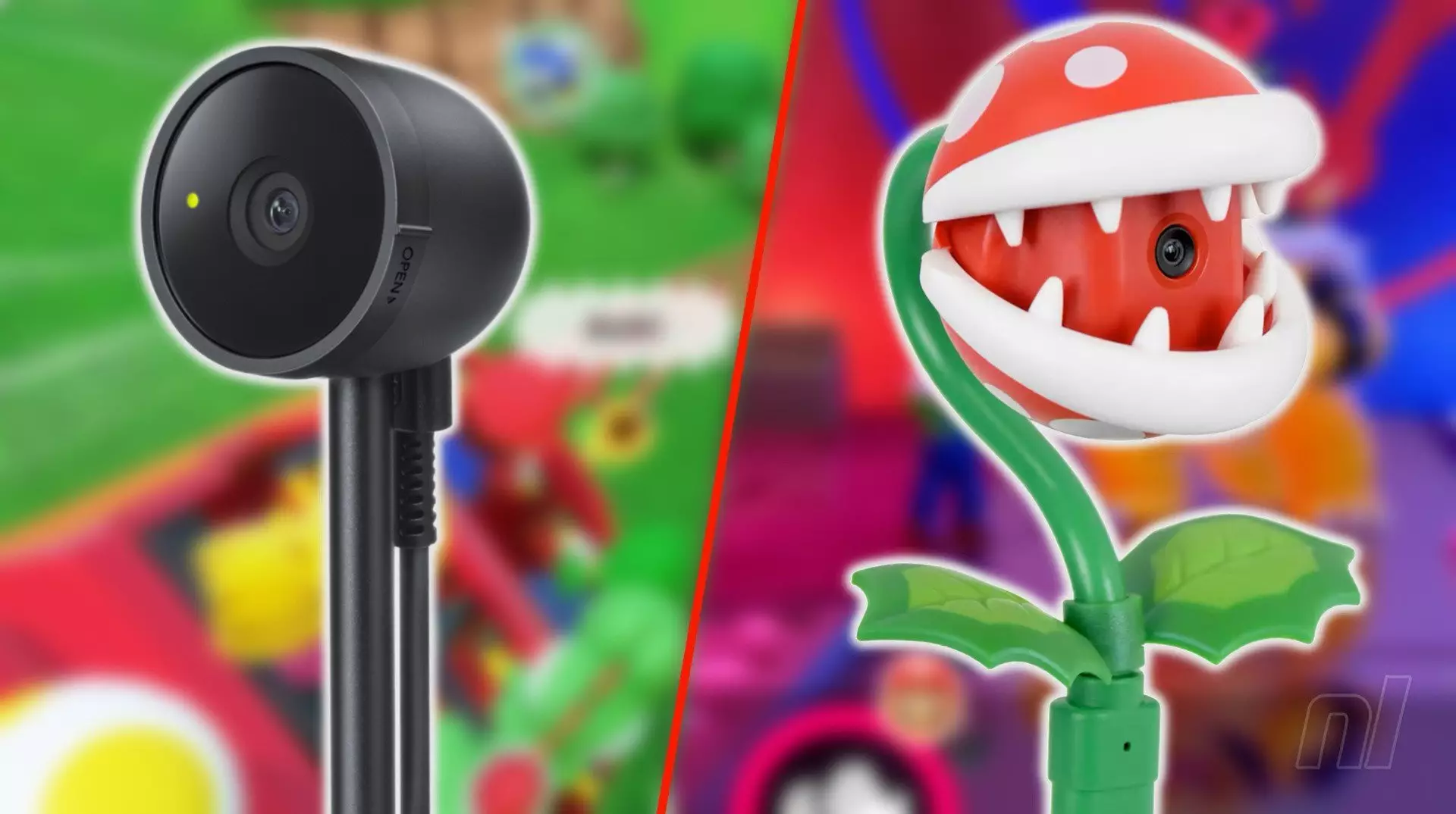
Nintendo’s latest console, the Switch 2, carries an enticing promise for gamers and content creators alike: it claims to support USB-C camera accessories, whether they be Nintendo’s own products or third-party alternatives. This assurance is a welcome relief for fans eager to enhance their gaming or streaming experiences, especially given the creative possibilities that high-quality camera integration can offer. However, the reality of compatibility tends to be more nuanced than one might expect.
The Reality Check: Not All Cameras Are Created Equal
While Nintendo’s message appears straightforward, the fine print reveals a cautionary tale. Although the console is marketed as being compatible with a range of USB-C cameras, the actual efficacy varies significantly between different models and brands. This complexity poses a challenge for users who might naturally expect that buying any random USB-C camera should seamlessly integrate with their new console. Therefore, before investing in a camera, users must engage in diligent research.
It’s essential to interpret these compatibility claims critically. The hint from Nintendo regarding the necessity for a compatibility test within the console’s settings serves as a reminder: even if a camera is technically supported, performance may falter based on the software or hardware specifications. Gamers surely want a hassle-free setup, yet the fact remains that finding the right fit could require creative thinking and trial-and-error.
A Community Driven Solution: The Power of Collective Wisdom
The current landscape has inspired a plethora of enthusiastic gamers and internet communities to curate comprehensive lists of compatible cameras. This collaborative effort underscores the importance of community input in the gaming ecosystem. As users begin reporting their personal experiences with various camera models, these databases become invaluable resources for anyone looking to streamline their setup.
Searching through these lists yields some noteworthy insights. For instance, it appears that Logitech is emerging as a dominant player within the “compatible” category, offering various models that cater to different budgets. From entry-level options like the Logitech Brio 100 to high-end models like the Brio 501, players can find a price point that suits their needs without breaking the bank. This wide array of choices is uplifting, as it allows users to tailor their setups to their individual preferences.
However, the frustrating reality is that not all popular cameras are compatible. High-end brands such as Elgato and Sony seem to be facing issues, as do some similarly well-renowned alternatives like Microsoft. This has left many users scratching their heads over the inconsistencies, especially when investing time and money into a setup that may not yield results. Thus, the need for comprehensive compatibility information becomes all the more pressing.
Navigating the Terrain: Trial and Error for Optimal Performance
Delving into this USB camera compatibility world can feel like a digital scavenger hunt, with gamers discovering surprising victories and disheartening failures along the way. The experience can be liberating, but it can also be riddled with frustration. For instance, the attempt to connect a Blink Dog Security camera resulted in disappointment, illustrating that not all equipment, even within broader compatibility realms, guarantees success.
What emerges from these experiences is the call to approach camera choosing with an experimental mindset. Utilizing USB adapters to test different combinations can yield unexpected results, but it inevitably adds complexity to the purchase process. Enthusiasts with old cameras lying around their homes might find themselves in a treasure hunt of sorts, discovering forgotten gems that may, against all odds, work with the Switch 2.
Embracing the Future of Content Creation with Care
While the potential for enhanced gaming and streaming options exists with Switch 2’s USB camera support, the road to optimal usage is still marked by pitfalls and patches of uncertainty. Consumers must act judiciously, weighing their options carefully and leveraging community resources for guidance. The ongoing development of compatibility lists and user feedback will be crucial in shaping a clearer understanding of the landscape.
With robust discussion and knowledge-sharing among eager gamers, the promise of USB camera integration becomes an exciting avenue for creativity. Whether for streaming, video content, or capturing memorable gaming moments, the right choice of hardware can elevate the experience significantly, even amidst the hurdles that the compatibility maze presents.
Leave a Reply