
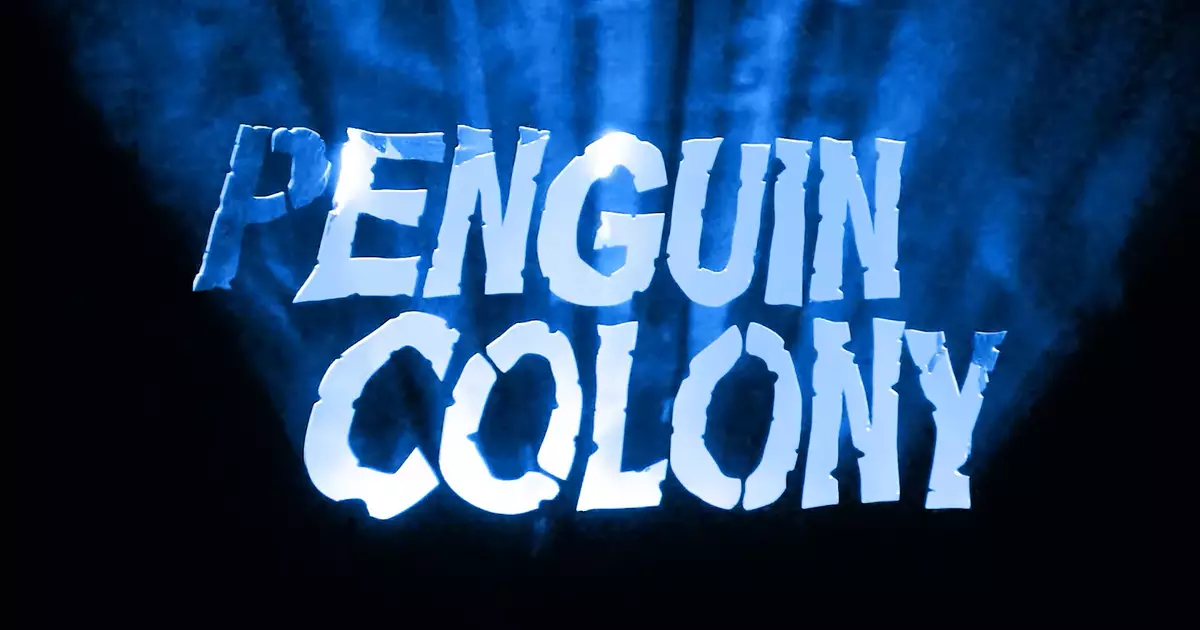
In an era where gaming often adheres to predictable formulas—big-budget shooters, sprawling RPGs, or safe remakes—the announcement of a game like Penguin Colony is nothing short of invigorating. This title dares to blend the absurd with the profound, creating an immersive experience that challenges conventional expectations. At its core, Penguin Colony positions players in an Antarctic landscape teeming with cosmic horror, where the fate of humanity hinges on the subtle mischief of penguins, manipulated by an ancient, malevolent force. This ambitious juxtaposition—adorable flightless birds entangled in eldritch nightmares—serves as a compelling metaphor for the unpredictable chaos inherent in colonization, environmental degradation, and existential dread.
What elevates Penguin Colony beyond mere novelty is its deliberate incorporation of subversive storytelling and political critique. Developed by the minds behind Umurangi Generation—a game lauded for its incisive commentary on decolonization—this new project seems poised to challenge Lovecraftian tropes and their problematic colonial undertones. A quick glimpse into the trailer reveals hints of Māori language elements and voices, signaling an intent to decolonize or reframe the narrative lens through which cosmic horror is portrayed. Such choices suggest that Penguin Colony isn’t just about surviving winter or navigating icy terrain; it’s about questioning broader themes of otherness, imperialism, and environmental decay.
The Artful Paradox of Lovecraft and Post-Colonial Perspectives
Lovecraft’s stories traditionally evoke a sense of cosmic insignificance and fear of the unknown—yet, they are often rooted in problematic racial and colonialist undertones. By reimagining these themes through a game centered around penguins—innocent, resilient creatures—developers may be subtly critiquing the colonial gaze. The Antarctic setting, often depicted as a pristine, mysterious wilderness, becomes a battleground for not only primal fears but cultural reevaluation. The inclusion of Māori language hints at a desire to diversify the narrative voice, moving away from homogenous, Eurocentric portrayals of cosmic horror.
Furthermore, the choice of a fractured storytelling style—reminiscent of John Carpenter’s “The Thing”—embraces paranoia, distrust, and surrealism. The trailer’s visual aesthetic suggests a claustrophobic, unsettling atmosphere that refuses to provide easy answers. As players slide across icy surfaces and venture beneath the perilous depths of the ice, they confront the unsettling idea that in the universe’s vast, indifferent expanse, even the most adorable creatures are susceptible to eldritch influence. This narrative choice underscores a profound truth: helplessness and chaos are fundamental parts of existence, regardless of our size or charm.
Innovative Gameplay Wrapped in a Cultural Lens
While the game promises gameplay mechanics centered around unlocking different penguin characters—each with unique abilities—the real innovation lies in its thematic richness. The simple premise of navigating icy terrains and evading cosmic threats belies the deeper commentary embedded within. For instance, playing as a baby penguin—whose limited swimming ability—serves as a subtle reminder of vulnerability and survival in hostile environments. The mechanics are designed not just for challenge, but as allegories for resilience amid chaos.
The game’s emphasis on choice and replayability encourages players to consider multiple perspectives. This aligns with the broader mission of the developers, who have long championed voices from marginalized communities through their previous work. Their decision to potentially voice parts of Penguin Colony in Māori further exemplifies a conscious effort to elevate indigenous narratives within the context of a genre often criticized for cultural insensitivity. It is a refreshing reminder that even in the realm of cosmic horror and fantastical absurdity, there is space for authentic representation and cultural dialogue.
The Cultural Significance and Future Implications
Penguin Colony’s combination of playful absurdity, cosmic terror, and political commentary signals a promising evolution in indie game development. It dares to defy categorization—embracing both the whimsical and the profound—thus challenging players to find meaning in the unlikely. Furthermore, by drawing inspiration from both horror classics and contemporary critique, it sets a precedent: that games can be powerful mediums for social and cultural commentary, all wrapped in unique stylistic packages.
As audiences become increasingly aware of gaming’s potential as a vehicle for dialogue, projects like Penguin Colony serve as prototypes for future innovations. They emphasize that storytelling doesn’t have to be solemn or conventional; it can be layered, provocative, and engaging on multiple levels. By reimagining Lovecraft’s universe through a cultural and political lens and blending it with charming, yet challenging gameplay, this indie project might just push the industry closer to understanding that strength lies in creativity that questions, stirs, and redefines the status quo.
Leave a Reply