
The release of Tony Hawk’s Pro Skater 3+4 marks more than just a nostalgic revival; it symbolizes the dynamic potential of community-driven innovation within gaming culture. While the official launch, bolstered by early access, introduces us to polished gameplay, it is the fervent and creative modding community that injects fresh life into the experience. These mods do more than alter appearances; they challenge the boundaries of conventional gaming, inviting players to see skateboarding through a wildly imaginative lens. The community’s enthusiasm demonstrates how a beloved franchise can evolve far beyond its original scope when fueled by passionate fans who see their playful fantasies as worthy of digital life.
The Artistic Fluidity of Character Customizations and Cultural Mashups
What stands out most in the modding landscape of THPS 3+4 is the sheer variety and audacity of character swaps. Modder Huckleberrypie exemplifies this creative spirit with their eclectic roster—fashioning characters from different universes, eras, and cultural niches. From Terry Honk dressed as Barbie’s protagonist to Tommy Angelo from Mafia, and even the formidable Tony Soprano, the lineup showcases an unapologetic embrace of cultural mashups. These modifications reflect a cultural crossroads where gaming becomes a canvas for humor, satire, and tribute. They challenge the sterile boundaries of the original game, fostering an environment where skateboards are not just about tricks but also about storytelling and creative expression.
Beyond Nostalgia: When Fictional Characters Become Icons of Subversion
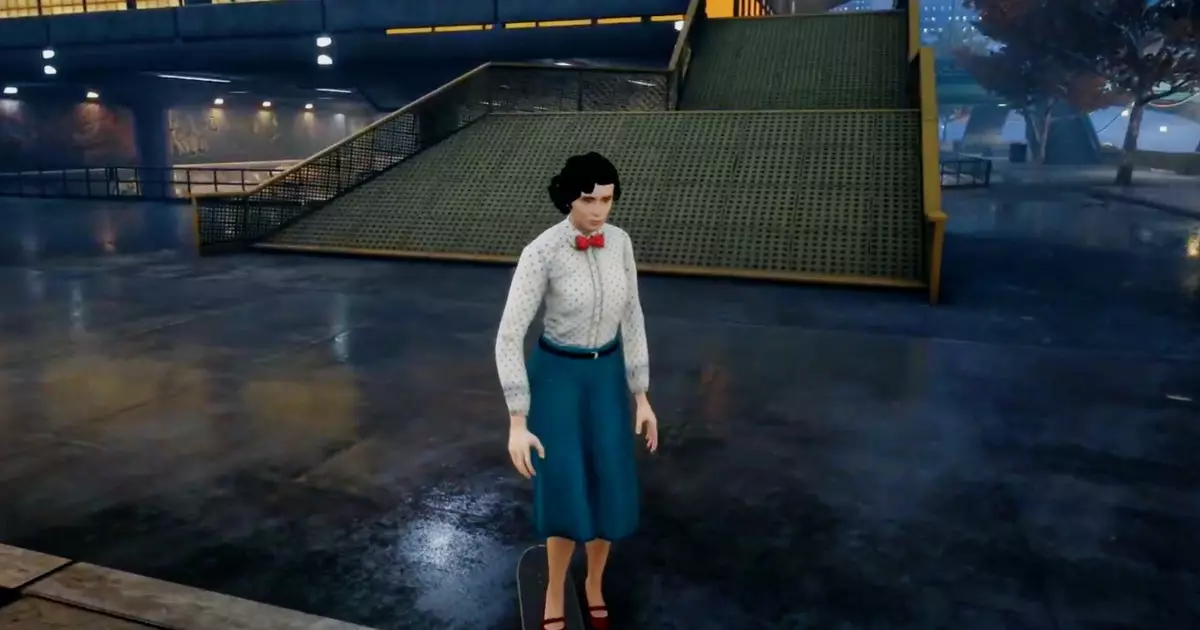
The standout creation—Mary Poppins returning from the realm of childhood classics to shred parks—epitomizes the playful subversion that defines modern modding. A character known for her prim manners and magical umbrella stepping into the rebellious world of skateboarding is more than humorous—it’s a statement. It highlights how digital environments allow for absurdist storytelling, where familiar icons are reimagined in contexts that defy expectations. The backstory constructively humanizes the character, blending fantasy with contemporary struggles like family hardship and personal escape. Such mods are not mere visual tweaks; they are declarations of creative freedom and the refusal to be confined by traditional narratives.
The Power of Community Innovation in Shaping Gaming’s Future
The momentum within the modding community of THPS 3+4 reveals an unsettling truth: the future of interactive entertainment lies in collaborative, user-driven content creation. Mods like custom restarts, free-roam cameras, and character swaps demonstrate how players are not passive consumers but active creators. This democratization of content production enhances game longevity and deepens engagement, transforming a static experience into an evolving universe. It also raises questions about ownership, authenticity, and the ever-blurring line between developer and community. As modders continue to push boundaries, developers must recognize the importance of supporting these grassroots innovations, lest they risk stifling the very creativity that keeps their games relevant.
From Nostalgic Rehash to Cultural Phenomenon
Ultimately, the launch of THPS 3+4 with its vibrant modding scene is a testament to how gaming transcends mere entertainment—it becomes a reflection of collective imagination. The playful, often absurd, reinterpretation of characters—from iconic figures like Elsa to fictional heroes like Master Chief—embodies how communities breathe new life into established franchises. This phenomenon suggests that the future of gaming relies heavily on embracing these organic creative communities, who serve as both custodians and innovators. Their efforts prove that nostalgia, when combined with unrestricted creative expression, can generate entire ecosystems of entertainment that continually evolve and surprise us. The question isn’t just about how good the game is; it’s about how vibrant and boundless the collective imagination can become when empowered by the tools and freedom to create.
Leave a Reply