
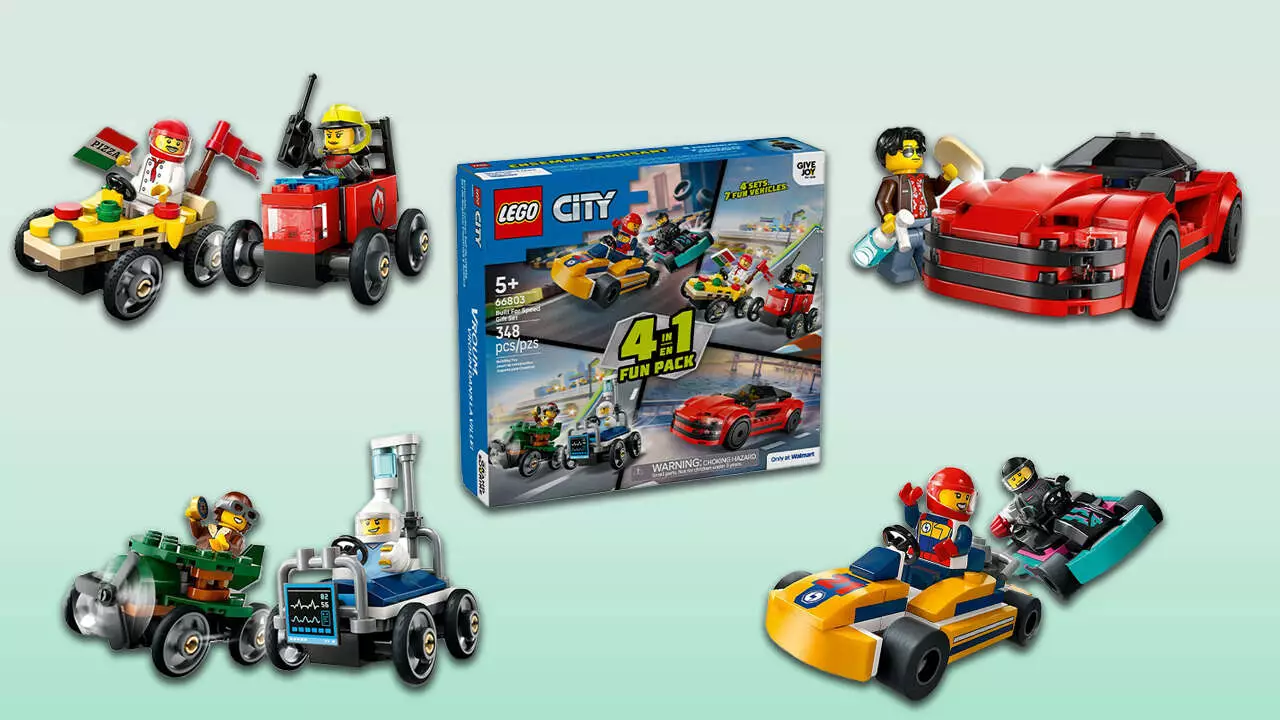
Lego, a perennial star in the realm of creativity and childhood wonder, continues to reinvent its approach to holiday gifting with an innovative lineup of exclusive bundles. In 2025, Walmart emerges as a central hub for curated Lego sets that promise both affordability and imaginative potential. These gift packs are not merely collections of bricks; they represent a strategic move to enhance the user experience by designing themed bundles that appeal to diverse interests—whether racing, outdoor adventures, or intergalactic battles. The allure is amplified by the fact that these sets, sold exclusively at Walmart, carve out a niche denying access on Lego’s primary online store, thereby fostering exclusivity and anticipation.
What makes these collections stand out is the calculated blend of value and convenience. The $25 bundles, featuring the Lego City 4-in-1 Built for Speed and the Lego Friends 2-in-1 Explore Outdoors gift sets, are crafted to entice budget-conscious shoppers seeking to maximize their holiday budgets. They serve as gateway sets for young explorers, packing multiple mini-play experiences into a single package—effectively offering more bang for every buck. The strategy seems to be rooted in cultivating early brand loyalty, where these bundles act as introductory portals into the larger Lego universe, fostering a desire for more complex or themed sets later.
Furthermore, the exclusivity doesn’t just add an aura of desirability; it strategically positions Walmart as the exclusive holiday destination for these bundles, generating immediate urgency. The fact that they are likely to sell out before Christmas suggests a keen understanding of consumer behavior—scarcity fuels demand, especially during the gift-giving season. This move also sidesteps competition from Lego’s official store and other toy retailers, consolidating consumer attention and making Walmart the go-to for these special offerings.
Chasing the Perfect Balance Between Play and Education
Lego’s enduring appeal isn’t just about assembling colorful bricks; it’s about fostering creativity, problem-solving, and cognitive growth. The carefully curated sets, such as the Lego City 4-in-1 pack with cars and racing themes, or the outdoor adventure-themed Friends collection, are designed to spark ideas and encourage storytelling. They push children to think beyond the instructions, to create narratives, and to set up their own play scenarios. These sets become platforms for imagination, social interaction, and even subtle lessons in mechanics or engineering.
The Lego City collections, especially the 4-in-1 Fun Pack, are curated with an understanding of kids’ fascination with speed, vehicles, and competition. Featuring multiple builds—ranging from go-karts to sports cars—they deliver a variety of play options that can be assembled, disassembled, and reimagined. The charm lies not just in the finished models, but in the process: children learn fine motor skills, spatial awareness, and strategic thinking as they work through multiple builds in a single set.
Similarly, the Lego Friends Explore Outdoors bundle taps into the growing fascination with nature and adventure. With mini-dolls, animal figures, and interactive elements like the archery range and camping trailer, this set encourages children to create outdoor stories that mirror their real-world experiences. It subtly nurtures an appreciation for outdoor activities, teamwork, and exploration—values that are increasingly relevant in a world dominated by screens.
However, a critical look reveals that these curated bundles, while innovative, subtly shape children’s play experiences based on marketed themes. The set designs tend to reinforce stereotypical interests—racing, outdoor adventure, intergalactic battles—potentially limiting the breadth of imaginative exploration in the long run. Yet, the core pedagogical principle remains: quality, themed sets paired with affordability can turn playtime into an enriching journey.
Transforming Consumer Behavior with Strategic Packaging and Limited Editions
The packaging of these exclusive Walmart bundles isn’t just about aesthetics; it’s a calculated move to enhance perceived value and brand loyalty. Labeling the sets as “Only at Walmart” elevates the shopping experience from buying a toy to acquiring a collector’s item, boosting its desirability. The packaging emphasizes the uniqueness of these bundles, creating a sense of exclusivity that compels consumers to act swiftly—especially important when the sets are expected to sell out.
Price-wise, these bundles exemplify smart marketing. The four individual car sets, with a combined retail value of around $40, can be purchased for approximately $31—if purchased separately, which undercuts the bundled offer’s price. Yet, bundled together at $25, they provide an immediate savings, and the low per-piece cost (about $6.25 per set) is compelling for parents and gift-givers alike. It plays into the psychology of getting a “deal,” even if the affordability of individual sets already exists elsewhere.
Additionally, Walmart’s promotion of these sets makes strategic use of cross-selling with Amazon deals on similar sets. This layered marketing approach—combining exclusivity, price incentives, and online comparisons—drives traffic and purchase intent. It’s a testament to how modern retail leverages psychological triggers—scarcity, savings, and exclusivity—to influence consumer behavior during peak shopping seasons.
Yet, this strategy also risks fostering a culture of short-term gratification, where the appeal lies in quick gains rather than fostering a deeper appreciation for building, creativity, or long-term engagement with LEGO. The limited editions, while effective for holiday sales, could inadvertently contribute to the phenomenon of disposable toys, where the novelty diminishes shortly after unwrapping.
The Future of Curated Lego Collections
While the current lineup is impressive, questions remain about whether this approach will expand. Will Lego and Walmart continue to innovate with more themed bundles for 2025 and beyond? The potential is enormous. Every year, Lego releases new themes and sets that capture the zeitgeist—whether through licensed properties or original concepts. The strategy of offering curated, exclusive bundles could evolve into a key driver for brand loyalty, especially if they include integration with digital content or augmented reality experiences.
Moreover, these kinds of exclusive bundles could influence the larger market, compelling other retailers to innovate with their own limited-edition collections. If Walmart’s strategy proves successful in boosting sales and brand engagement, it could push Lego to explore even more adventurous theme combinations or limited-run sets that create a buzz among collectors and casual buyers alike.
The 2025 Lego lineup curated for the holiday season—centered on value, exclusivity, and themed play—embodies a shift toward strategic packaging and consumer engagement. While this approach enhances immediate sales and enhances the play experience, it also raises questions about long-term consumer development and the sustainability of toy culture driven by scarcity and special editions. The true power of these collections lies in their ability to ignite the spark of creativity while strategically shaping shopping habits—an art that Lego and major retailers are increasingly mastering.
Leave a Reply