
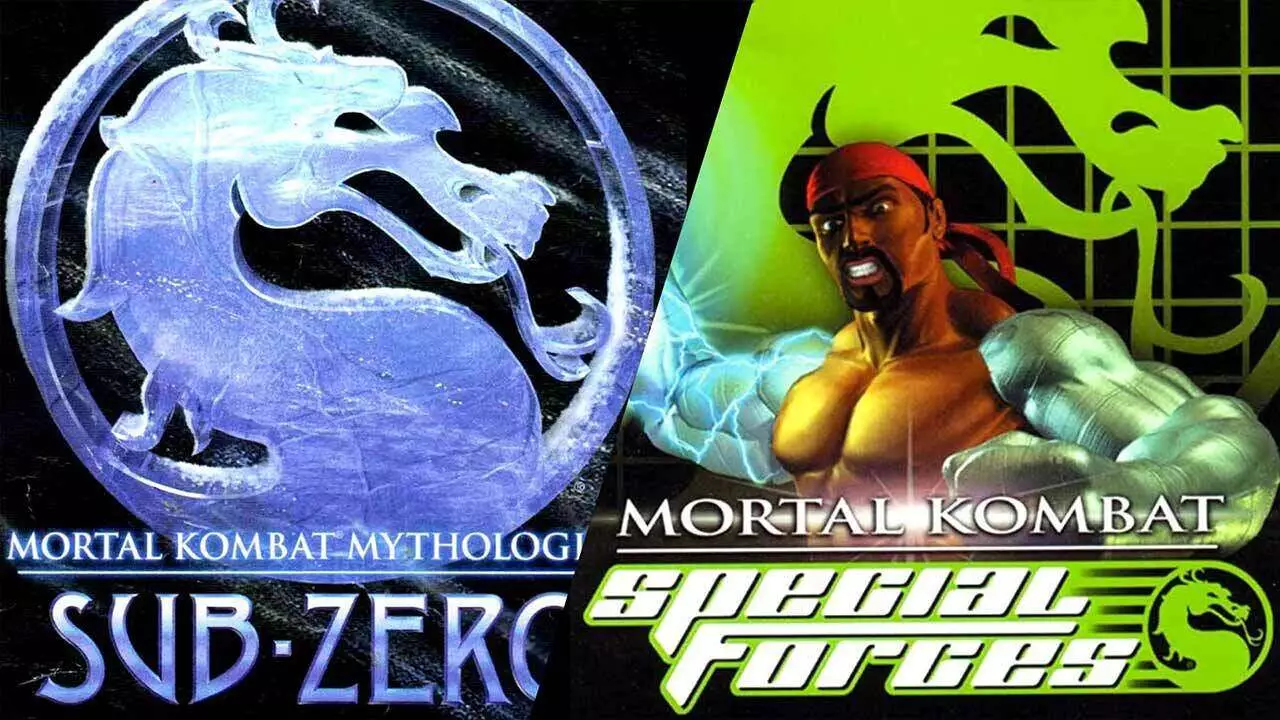
The impending release of the Mortal Kombat: Legacy Kollection signifies more than just a digital compilation; it’s a daring reclamation of gaming history’s overlooked chapters. Digital Eclipse’s effort to resurrect long-forgotten titles like Mortal Kombat Mythologies: Sub-Zero and Mortal Kombat Special Forces showcases a commendable dedication to fans and historians alike. These games, often dismissed or sidelined in the franchise’s legacy, are being cleaned up and reimagined to match contemporary standards. Their previous absence from modern platforms robbed newer generations of experiencing flawed but undeniably intriguing experiments in Mortal Kombat’s development saga. This act of preservation is a testament to the value of understanding a franchise’s full spectrum—not just its peak moments, but the mutations and missteps that shaped its evolution.
In the modern gaming landscape, where remasters frequently chase superficial nostalgia, Digital Eclipse’s approach demonstrates a keen understanding of the importance of authenticity and contextual integrity. By enhancing these titles with features such as rewind systems, on-screen move lists, and training modes, they aren’t merely porting old games—they’re transforming them into accessible, educational tools. This strategy elevates the entire compilation from simple fan service to a comprehensive artifact that invites players to explore martial arts combat’s progression within the franchise, understanding how design, technology, and storytelling evolved over time.
Technological Time Capsules and Forgotten Innovations
Among the standout inclusions is the WaveNet edition of Ultimate Mortal Kombat 3—a piece of arcade history that exemplifies technological ambition. Originally designed to support Midway’s innovative WaveNet online matchmaking system, this version of the game was a pioneer of networked arcade gaming, years ahead of its time. Its rarity and significance cannot be overstated; it represented a bold step into online functionality during an era when arcades still clung to local multiplayer experiences.
The revelation that this edition was thought lost forever amplifies its importance. The detailed insights from Stephanie Brownback reveal an underlying story of technological ingenuity, lost to time but now recovered. Including this version in the collection offers players a glimpse into how the franchise’s creators experimented with connectivity and gameplay alterations, exhibiting a forward-thinking spirit that arguably laid groundwork for today’s online fighting game ecosystems. The inclusion doesn’t just enrich the roster—it enriches our understanding of industry innovation’s early days and the risks developers took to push boundaries.
Challenging Legacy: The Flawed but Fascinating Experiments
Mortal Kombat Mythologies: Sub-Zero and Mortal Kombat Special Forces are polarizing entries within the franchise, often dismissed for their technical shortcomings. Yet, these titles are more than just missteps—they are windows into the franchise’s experimental phase. Mythologies, despite its sluggish controls, excruciating platforming sections, and convoluted controls, dared to blend the core martial arts combat with linear storytelling and live-action cinematics that rivaled the 1995 film’s camp appeal. It was a risk, one that resulted in a product far from perfect but rich in creative ambition.
Special Forces, on the other hand, suffered from development chaos. With key staff departures and content cut, the game became a fragmented product that failed to resonate with fans or critics. Yet, its historical importance remains undeniable. It’s a piece of Mortal Kombat’s puzzle that encapsulates the struggles of early 2000s game development—an era where even the most iconic franchises could falter under internal turmoil. Preserving these titles isn’t about celebrating flawed design; it’s about acknowledging the diversity of creative risks that characterized Mortal Kombat’s evolution and understanding that even missteps carry lessons worth revisiting.
Bridging Generations with a Comprehensive Array
The collection’s expansive roster is a deliberate move to bridge generations and platform gaps. From the arcade origins of the early ’90s to the more recent entries on modern consoles, the compilation offers a chronological journey through the franchise’s history. Titles like Mortal Kombat 2, MK3, and Ultimate MK3 illustrate technological progression and gameplay innovation, while the presence of handheld and GBA entries showcases how the franchise adapted to different hardware landscapes.
Beyond nostalgia, this collection serves as an educational platform—an immersive archive that contextualizes the series’ evolution, from the brutal simplicity of the arcade classics to the more complex, narrative-driven entries. The inclusion of improved features like reduced load times, move lists, and training modes indicates an understanding that preserving history must also prioritize accessibility and modern playability. Such enhancements signify an acknowledgment that these games weren’t just relics; they’re integral pieces of gaming history that deserve to be experienced without unnecessary frustration.
Revitalizing a Cultural Phenomenon
Finally, the Mortal Kombat: Legacy Kollection highlights a broader cultural revival. With the upcoming theatrical release of Mortal Kombat 2, a refreshed interest in the franchise is evident. This collection isn’t merely about preservation; it’s about reinvigoration—offering fans a tangible connection to the series’ roots while setting the stage for future innovations.
By meticulously curating and enhancing these games, Digital Eclipse is affirming that Mortal Kombat’s legacy isn’t static. It’s a living history, constantly being reshaped and rediscovered. This collection boldly underscores that even the less polished corners of a legendary franchise have stories to tell—stories of ambition, experimentation, and eventual mastery that continue to resonate with a dedicated audience hungry for depth and authenticity.
Leave a Reply