
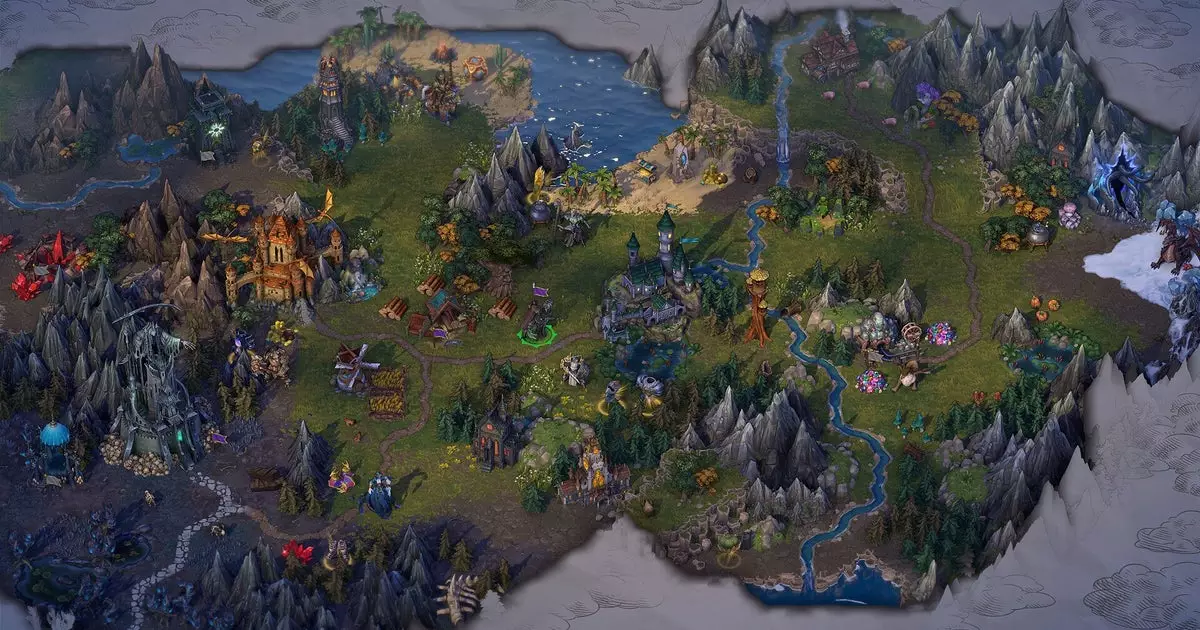
The recent move by Ubisoft to delegate the publishing responsibilities of *Heroes of Might and Magic: Olden Era* to Hooded Horse is a perplexing decision that underscores troubling questions about corporate strategy in the gaming world. When a gaming titan like Ubisoft steps back from such an iconic franchise, it raises eyebrows and prompts insiders and fans alike to wonder: what is really driving this shift? The surface narrative suggests that Ubisoft is simply restructuring or outsourcing to boost marketing and distribution, but a deeper analysis hints at more complex motivations. This seemingly minor decision may actually reflect broader trends—cost-cutting, concern over franchise longevity, or a strategic retreat from non-core projects.
Ubisoft’s reputation has always been rooted in owning and cultivating major franchises like Assassin’s Creed, Rainbow Six, or Far Cry, but it appears their emphasis on blockbuster titles is squeezing out the smaller, legacy series with loyal fanbases, such as *Heroes of Might and Magic*. Handing this game off to Hooded Horse, a publisher known for niche strategy titles, could be a move to keep the franchise alive without diverting corporate resources from their core development teams. Ultimately, this decision may serve as a microcosm for the larger trend of big publishers divesting themselves of lower-margin properties—whether to focus on high-earning blockbusters or to streamline their operations amid a turbulent industry.
The Industry’s Cost-Cutting Conundrum and Strategic Divestment
Ubisoft’s internal restructuring earlier this year accentuates an underlying theme: financial recalibration. The company has split into separate entities, with some divisions focusing on flagship series while others recede into the background. The warning signs of delays, layoffs, and cost-cutting measures paint a picture of an organization trying to trim excess fat while maintaining key franchises. In this context, abandoning direct publishing for certain titles could be less about strategic neglect and more about pragmatic resource allocation.
Outsourcing the publishing process to Hooded Horse, a smaller but strategically aligned publisher, might offer Ubisoft a way to keep a beloved franchise afloat without heavy internal investment. As industry analysts suggest, such moves often reflect the pressure to optimize profit margins in an environment where triple-A development costs have skyrocketed and competition is fiercer than ever. This shift may be a calculated risk—allowing Ubisoft to maintain some degree of influence over *Heroes of Might and Magic* while offloading the day-to-day risks and costs onto a publisher with a more niche focus.
Hooded Horse’s Role as a Strategic Partner and Potential Trojan Horse
Hooded Horse’s involvement is particularly intriguing. Known for handling titles that appeal to dedicated strategy fans, their growth trajectory appears to threaten the traditional power dynamics of gaming publishers. Their focus on niche, premium strategy games might actually position them as a future alternative platform for legacy franchises like *Heroes of Might and Magic*. The partnership suggests that Ubisoft might see value in leveraging Hooded Horse’s expertise and community connections to sustain the franchise’s relevance, even if indirectly.
This relationship could be more than just a practical arrangement; it might signal shifts in the industry’s publisher-player relationships. With Hooded Horse taking charge of publishing responsibilities, it’s possible they become de facto stewards for the series, advocating for its fans and ensuring a certain creative freedom that might be stifled under the umbrella of a giant like Ubisoft. Alternatively, this move may be a Trojan horse—allowing the publisher to test the waters with a franchise they might eventually acquire or expand upon independently.
The Future of Nostalgia and the Risks of Clinging to the Past
Ultimately, the decision to return *Heroes of Might and Magic* to its roots could be driven by nostalgia and a desire to reignite the franchise’s strategic core. Yet, history teaches us that revisiting franchises after decades often risks diluting what made these games special in the first place. Fans might be excited about the return to classic gameplay, but the challenge lies in balancing modern expectations with retro charm. The fact that Ubisoft is still technically owner of the IP complicates the narrative further, hinting that they retain influence over the project while quietly stepping back.
As someone critical of industry trends, I see this as less of a positive renaissance and more of a pragmatic, perhaps even cynical, maneuver. In the end, whether Hooded Horse’s involvement breathes new life into the series or signals its slow decline remains to be seen. What’s clear is that the mechanics of corporate decision-making—driven by profit and market positioning—continue to shape the fate of beloved franchises, often at the expense of artistic vision or fan loyalty. This episode exemplifies the shifting landscape; a landscape where strategy games are caught between nostalgia and ruthless commercial calculus, and only time will tell if the moves made are truly optimistic or merely expedient.
Leave a Reply