
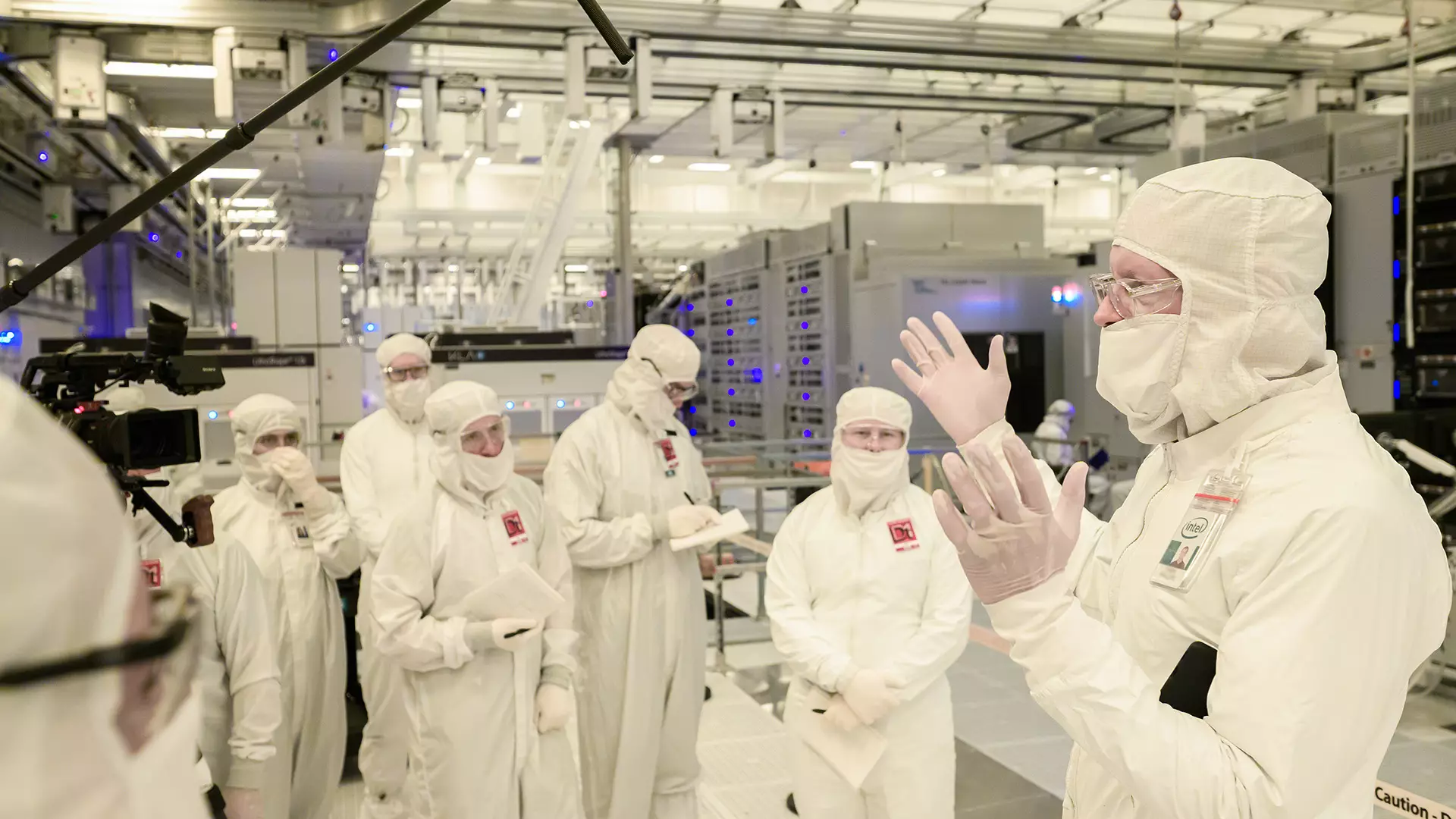
As the whispers of impending layoffs become a tangible reality, Intel is making headlines for its significant workforce reductions. Over the course of 2024, the tech giant has begun a drastic retreat from its previous employment levels, recently announcing that approximately 107 employees in California are to be let go as part of a broader strategy aimed at operational efficiency. This move is emblematic of shifts within the industry and signifies a new era for a company that has long been a pillar of the semiconductor sector.
Intel’s decision to cut its workforce isn’t merely a reaction to economic pressures; it serves as a strategic pivot towards a leaner operational model. The company’s announcement that it aims to reduce expenditures by $500 million this year is accompanied by the goal of an additional $1 billion savings by 2026. Such drastic measures raise questions about the sustainability of innovation when intertwined with aggressive cost-cutting measures.
Details of the Layoff and Its Implications
The recent communication about layoffs comes in compliance with California’s Worker Adjustment and Retraining Notification Act, ensuring transparency during such tumultuous times. The anticipated layoffs are scheduled to start on July 15, offering a critical window for the affected employees to brace themselves for the challenges ahead. Intel’s spokesperson emphasized the intent behind these layoffs, asserting that the company’s goals include enhancing efficiency and eliminating organizational complexities. By doing so, the hope is to empower engineers and ultimately serve customers more effectively.
However, the cuts are decidedly not limited to middle management—the laid-off employees also include numerous engineers. Among the roles being eliminated are key positions such as physical design engineers, cloud software architects, and development engineers. The inclusion of so many engineering roles contradicts Intel’s prior assertions that the company would focus on distilling operations to core engineering talent, thereby revealing a tension between maintaining skilled jobs and the push for operational efficiency.
Shifting Dynamics and Future Potential
Interestingly, this restructuring comes at a time when companies like Intel are also exploring new avenues, such as outsourcing marketing strategies to consultancy firms employing AI technologies. This shift signifies the increasing reliance on artificial intelligence not just for product development but for administrative and operational functions as well. While this may optimize certain workflows, it raises a red flag about the long-term job security for employees in many positions.
Such comprehensive layoffs also reflect a larger trend in the tech industry, where companies repeatedly find themselves needing to pivot strategically amid fluctuating market demands. It’s a stark reminder that innovation often comes at the cost of workforce stability. For Intel, these layoffs are not just about cutting costs; they embody a necessary evolution amidst the backdrop of fierce competition from rivals in the semiconductor arena.
The Human Impact of Corporate Strategy
A concerning aspect of these layoffs is the human cost associated with them. While corporate strategy dictates the need for a ‘leaner’ operation, the emotional and psychological impact on employees facing job loss can’t be dismissed. The discussions around severance packages and potential retraining efforts, while vital, cannot fully account for the challenges faced by those laid off. The hope is that Intel’s workforce receives adequate support during this transitional period, enabling them to navigate a rapidly shifting job market.
In the grander scheme, Intel’s actions are indicative of a sector grappling with a combination of innovation and cost management. As the company seeks to redefine itself amidst operational shifts, it raises persistent questions about the balance between profitability and people. Will the drive for efficiency stifle creativity, or will it propel Intel into a new age of innovation that addresses current market demands?
The evolution of Intel, these layoffs, and its operational strategies highlight the complexity of maintaining a leading edge in technology while striving to cater to the needs of its workforce. As the landscape changes, the path forward will require not only a strategic re-evaluation but also an empathetic approach to those affected by these significant corporate maneuvers.
Leave a Reply