
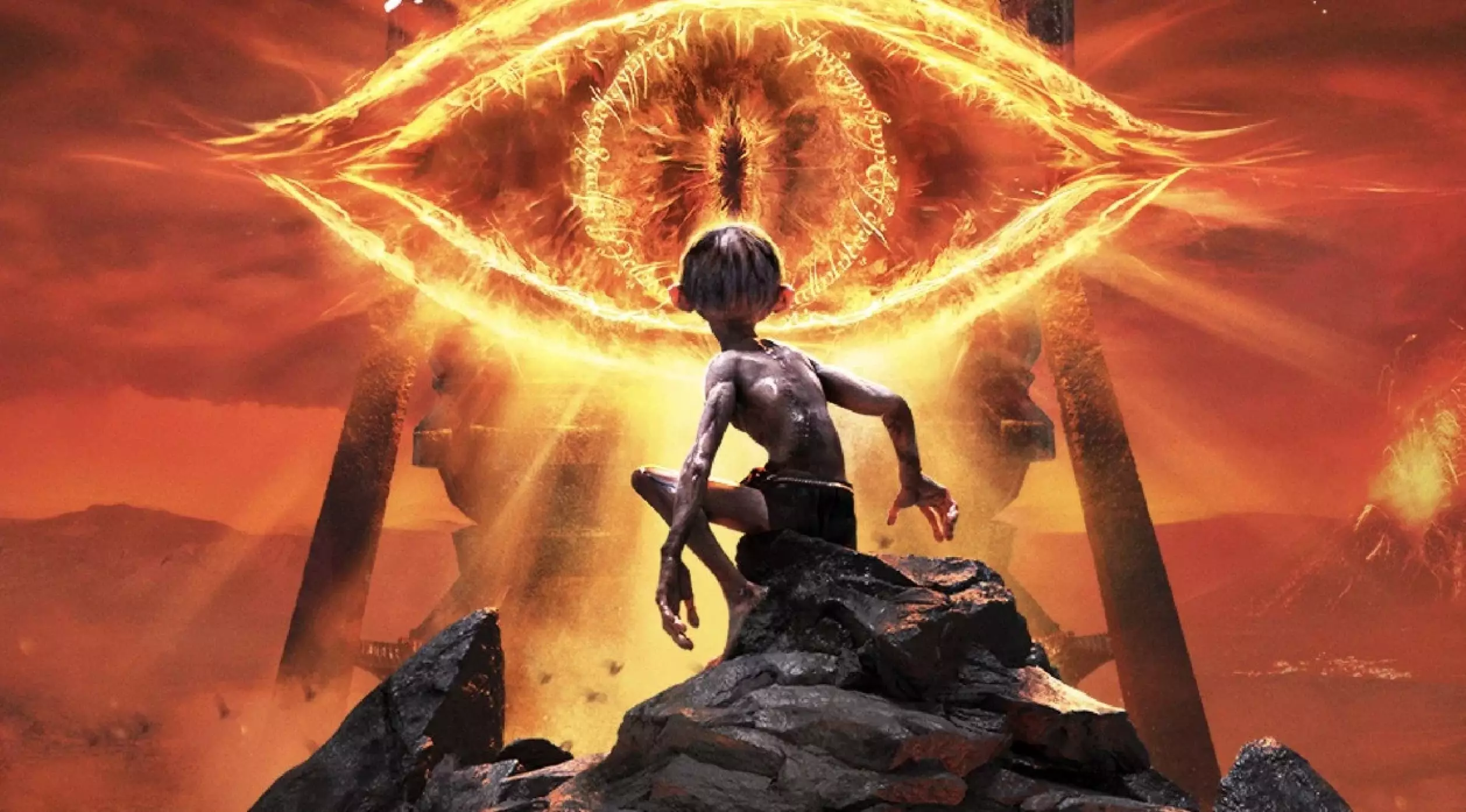
The allure of Middle-earth, crafted with such richness and mythic grandeur by J.R.R. Tolkien, has long promised an expansive playground for video game developers. This world embodies epic battles, moral dilemmas, and stunning landscapes, making it an ideal canvas for immersive gaming experiences. Yet, recent attempts to translate Tolkien’s universe into interactive entertainment have repeatedly fallen flat, revealing a fundamental disconnect between what players envision and what developers deliver. The core issue isn’t merely technical flaws or superficial storytelling; it is a misplaced understanding of genre expectations and audience desires.
Gollum, for example, was conceptualized as a stealth game focusing on a character most players dislike—weak, pitiful, and morally ambiguous. The premise was intriguing: explore Mordor through the eyes of Gollum, with internal conflict and stealth mechanics. However, it was a textbook case of mishandling. Instead of inviting players into a dark, tense world where stealth and cunning matter, the game reduced Gollum to a clumsy shadow, plagued by technical incompetence and uninspired gameplay. The developers’ failure to recognize that players seeking Tolkien’s universe often expect power, heroism, or at least a compelling narrative, resulted in a misfire that left fans disappointed.
Similarly, Tales of the Shire aimed to capitalize on the burgeoning cozy game trend—a genre focused on tranquility, simple activities, and relaxed escapism. Set in Hobbiton, it seemed a natural fit, promising an idyllic slice of Middle-earth. Yet, beneath its charming veneer lay shallow mechanics and superficial interactions. The game struggled to offer meaningful engagement; activities like gardening or socializing felt rote and lacked depth. Technical issues, especially on platforms like the Nintendo Switch, further marred the experience. Instead of providing restful solace, it unwittingly highlighted how superficial genre blending can backfire without the requisite depth or design finesse.
These failures underscore a broader truth: genre is everything. Trying to force Middle-earth into a niche that doesn’t suit its narrative gravity leads to disappointment. Fans are complex; they crave different things from the universe depending on their personal preferences. Some seek epic storytelling and combat; others prefer peaceful exploration or character-driven experiences. Neither Gollum nor Tales of the Shire managed to satisfy these diverse expectations, illustrating the danger of one-size-fits-all approaches.
The Critical Need for Genre-Specific Mastery
The root of these missteps lies in a failure to respect genre conventions and player psychology. A stealth game set within Mordor should evoke tension, danger, and a sense of cunning. It shouldn’t feel like an outdated relic with broken mechanics. Meanwhile, a cozy Hobbiton experience must elevate its design beyond superficial tasks to offer genuine depth and meaningful player agency. Unfortunately, both titles faltered because their developers underestimated the importance of these elements.
Learning from these mistakes, future Middle-earth titles should embrace genre excellence. When venturing into action-adventure or RPG territory, developers must craft games that highlight the grandeur of Tolkien’s world—full of heroism, moral complexity, and epic scale. That could mean sprawling open-world adventures with rich storytelling, robust combat systems, and meaningful player choices that shape the narrative.
Conversely, if the goal is to produce a peaceful, relaxing experience like a life-sim or farming game, then achieving mechanical depth and player engagement becomes paramount. A Hobbit-centric game must offer nuanced interactions, meaningful relationships, and activities that challenge and reward players, ensuring they feel invested rather than just passive observers. Shallow fetch quests and technical bugs do not create long-term engagement; they alienate audiences and diminish the universe’s potential.
It’s essential for developers to understand that attempting to please everyone with a middle-ground approach often results in mediocrity. A “jack of all trades, master of none” strategy dilutes the impact of Middle-earth, which is fundamentally about larger-than-life stories and adventures. The successful Middle-earth game will be the one that boldly chooses its niche and masters it.
Towards a Vision of Ambitious Depth and Authenticity
The future of Middle-earth games hinges on boldness—either fully embracing epic scope or delving deep into niche experiences with meticulous craftsmanship. Developers must shift their mindset from simply translating Tolkien’s work into playable formats to reimagining what that universe can be in interactive terms. It’s not enough to copy successful game genres; the design must be infused with the soul of Middle-earth.
For larger-scale titles, that means leveraging significant budgets for high-quality storytelling, expansive environments, and complex characters. For smaller, niche endeavors, it’s about creating experiences that resonate on a personal level—whether through compelling gameplay loops or emotionally rich storytelling—without sacrificing mechanical integrity.
By aligning genre with audience expectation and respecting the narrative depth of Tolkien’s universe, creators can unlock its true potential in gaming. Instead of stumbling into the trap of shallow attempts, developers should aim for meaningful innovation—transforming Middle-earth from a missed opportunity into a true gaming haven. The world waiting to be discovered in the depths of Mordor, or the peaceful hills of the Shire, deserves nothing less than passionate craftsmanship and unwavering ambition.
Leave a Reply