
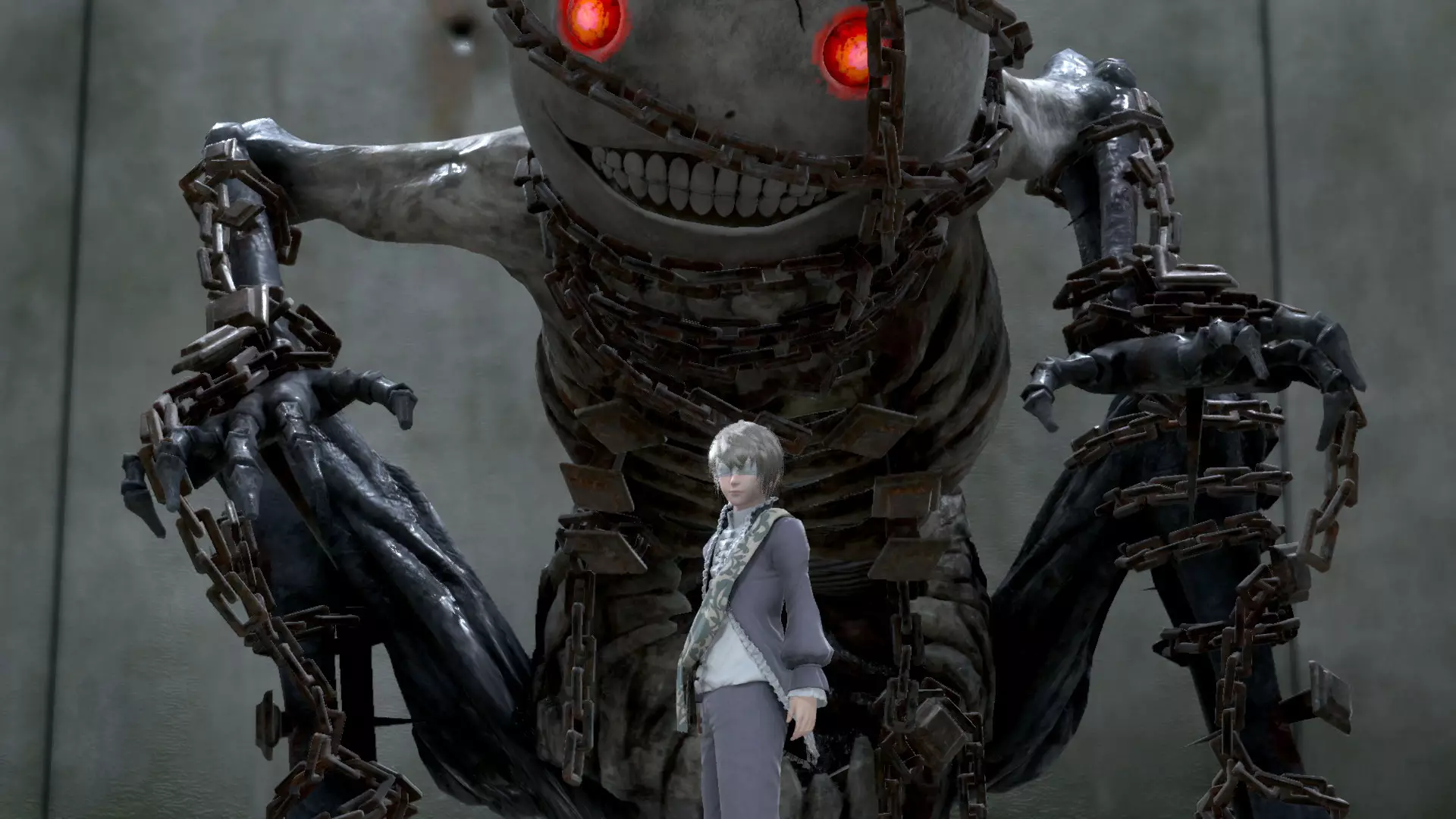
In a world obsessed with flawlessness, aspiring creators often chase the elusive idea of perfection. Yet, when examining the creative process through the lens of Yoko Taro, a renowned game developer, it becomes evident that perfection is a mirage rather than a tangible goal. Taro’s analogy of game development as sculpting a clay cube highlights the perpetual state of imperfection that accompanies true artistry. He suggests that every time we inspect our work, we find flaws—crooked edges or asymmetries—that demand correction, yet no matter how many adjustments are made, the imperfections persist. This understanding shifts the perception of achievement from pristine completion to ongoing refinement.
The Art of Iterative Creation
Taro’s perspective underscores the importance of iterative work—an endless loop of creation and reevaluation. Just as a sculptor refines a clay form, creators continually manipulate their projects, driven by an innate desire for improvement. However, time constraints inevitably impose a limit on this process. The “deadline” becomes the point where iteration must cease, compelling creators to accept that their work is inherently incomplete. This acceptance is not resignation but a mindful acknowledgment that perfection, an ideal state, remains forever out of reach. The beauty lies in recognizing that each iteration enhances the work’s emotional resonance and depth, even if it does not achieve an absolute flawlessness.
The Value of Acceptance and Moving Forward
Taro reveals a mature stance towards his own creations—embracing the notion that leaving perfect work undone is not a failure but an integral part of the artistic journey. The feeling of dissatisfaction is replaced by a sense of accomplishment derived from diligent effort. Each project’s conclusion signifies not failure but understanding: “I’ve done what I could with the time and resources available.” This mindset fosters resilience; instead of fixating on missed details or imperfections, creators can view each work as a step toward growth. When the time comes to close a project, it’s a conscious choice rooted in respect for the process rather than regret for what remains unfinished.
Rebirth Through Continuous Reinvention
A fascinating aspect of Taro’s philosophy is the continuous rebirth of ideas. He consciously starts anew each time, refusing to let past imperfections define his future projects. This cyclical approach mirrors life itself—regardless of past shortcomings, the artist begins fresh, armed with new lessons and fresh perspectives. It invites creators to dismiss destructive nostalgia or regret, encouraging instead a mindset that values progress and resilience. In doing so, Taro exemplifies that the essence of artistic mastery is not flawlessness but relentless pursuit, accepting the inherent imperfection that transforms work from mere products to heartfelt expressions.
The core insight lies in understanding that perfection is a fleeting, perhaps even undesirable, goal. Instead, embracing the ongoing process of improvement fosters authentic creation, resilience, and growth.
Leave a Reply