
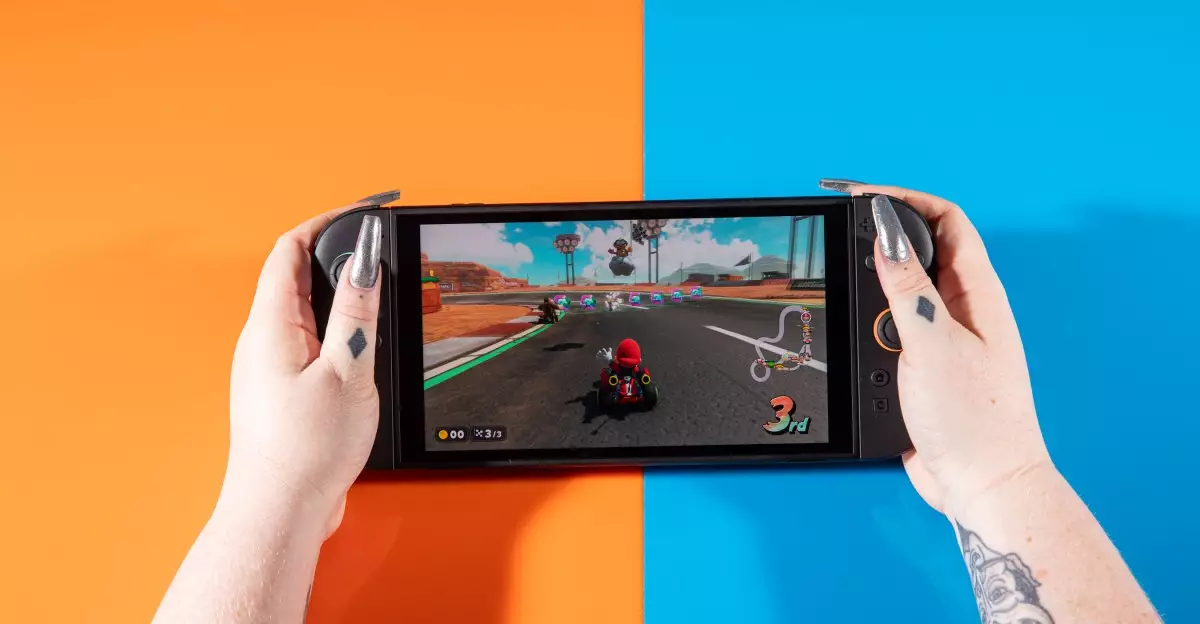
For years, the gaming industry has been dominated by a recurring nightmare: high demand coupled with limited supply. New consoles like the PlayStation 5 and Xbox Series X launched amid chaos, with frantic pre-orders, scalpers, and sold-out shelves marking their arrival. The Nintendo Switch 2, however, challenges this pattern. Instead of vanishing within minutes, it has been surprisingly accessible from major retailers such as Best Buy, Target, and Walmart. This strategic change in supply chain management seems to herald a new era where availability might no longer be a stressful game of patience and luck. It’s almost revolutionary—gamers can now purchase the console online without fighting through bottlenecks or resorting to dubious resale markets.
Strategic Production Delays and Market Response
Reports indicate Nintendo intentionally delayed the Switch 2’s mass production, shifting its planned late-2024 launch to an earlier date. Such a move isn’t typical in the volatile hardware industry, where companies often ramp up manufacturing only after the initial demand surge. Instead, Nintendo’s decision to produce more units sooner suggests a calculated effort to avoid the shortages that plagued previous console launches. This proactive approach allowed the company to align supply with consumer demand, calming fears of another supply cliff. The result? A more stable market where potential buyers are less discouraged by the risk of missing out, thus broadening the console’s reach and appeal.
Exponential Success and Consumer Confidence
Nintendo’s bold move paid off spectacularly. The Switch 2 set records in sales, becoming the fastest-selling gaming hardware in U.S. history, with 1.6 million units sold within its first month. Globally, impressive numbers—3.5 million units in only four days—indicate a huge consumer appetite. This success defies skeptics who worried about the high retail price of $449.99, or $499.99 for bundles including popular titles like Mario Kart. The console’s affordability in combination with its newfound availability suggests that Nintendo has effectively balanced quality, pricing, and supply, creating a winning formula that challenges the previously unbreakable cycle of shortages and scalping.
Implications for Market Dynamics and Consumer Expectations
The sustained availability of the Switch 2 signals a potential shift in industry dynamics. As Nintendo demonstrates, strategic planning and manufacturing flexibility can reshape consumer experiences. No longer merely reactive, Nintendo’s current approach indicates an understanding that supply chain agility and transparent communication can build consumer trust. This is important because it questions the long-held belief that new console launches inevitably mean frustration and disappointment. If other companies follow suit, we might see an industry where scarcity becomes the exception rather than the rule, encouraging more fair and stable markets for gaming hardware.
Final Reflection: A New Standard in Gaming Releases?
The Nintendo Switch 2’s release underscores that supply and demand can sometimes be managed more thoughtfully than previously thought. It offers a blueprint for future launches—less frantic, more strategic. Whether this trend sustains or is a fleeting anomaly remains to be seen, but for now, it emphasizes that innovation isn’t limited to the technology itself but extends profoundly into how products are brought to market. The gaming community’s patience might finally be rewarded with a more streamlined, less stressful experience—something that could reshape consumer expectations for years to come.
Leave a Reply