
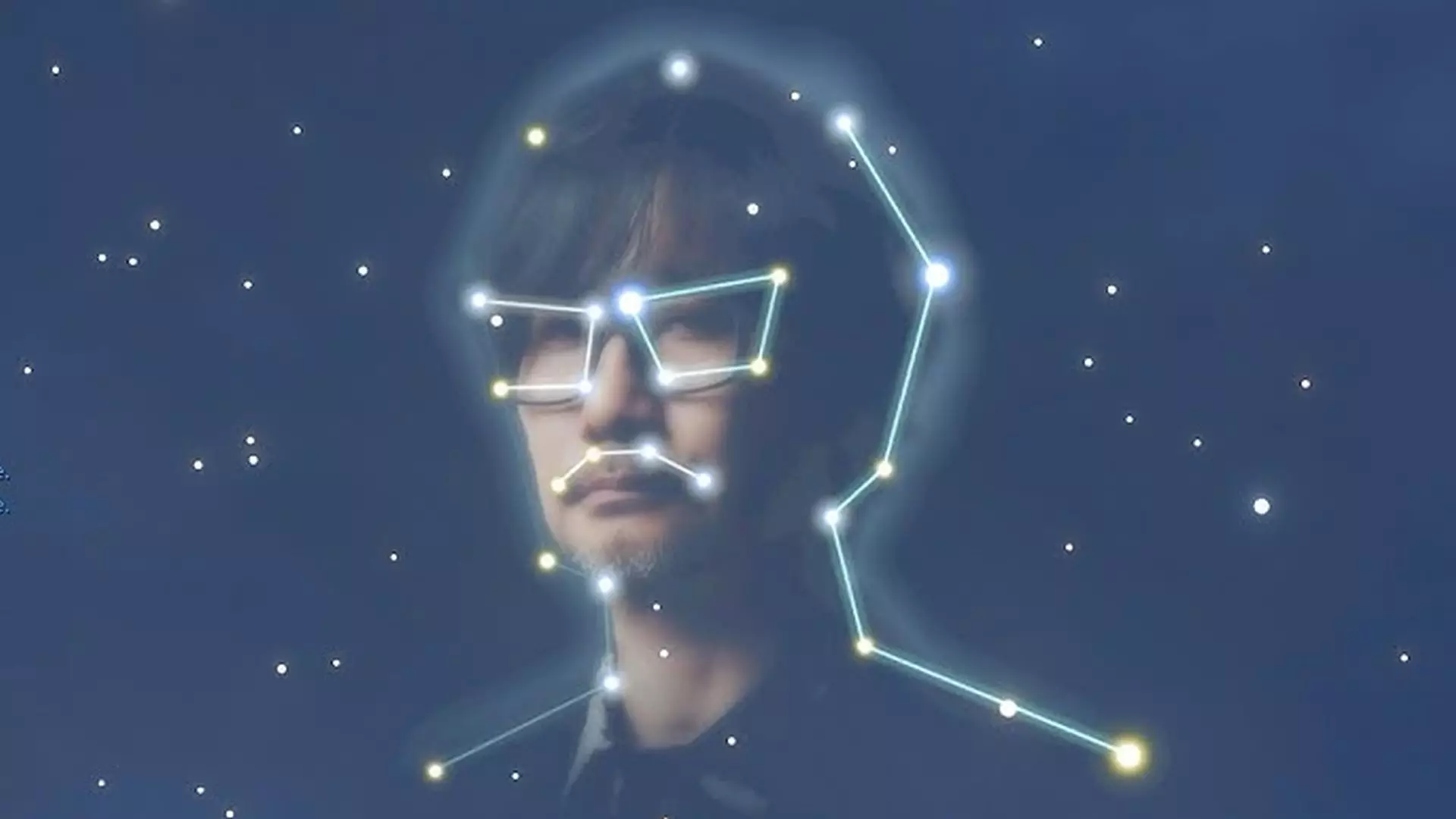
Humanity’s fascination with space has persisted for centuries. From early telescopes peering into the cosmos to modern space tourism, the desire to explore beyond our earthly bounds continues to captivate our collective imagination. Notably, the recent surge of affluent individuals planning trips to space underscores this enduring obsession. Yet, as alluring as the idea of venturing into the universe is, it raises profound questions about the psychological impact on those who undertake such journeys. When figures like Hideo Kojima openly express their yearning to “go to outer space,” it prompts us to consider whether our cultural admiration of space exploration is rooted in genuine curiosity or a dangerous allure of escapism.
Kojima’s ambitions, expressed during a documentary premiere, highlight a creative mind eager to push boundaries — even beyond terrestrial limits. His desire isn’t merely for adventure but to create a game played in space, blending his artistic visions with cosmic exploration. Such ambitions, while visionary, reveal an underlying test: can extraordinary creative minds handle the emotional and existential toll that space might impose? The desire to escape earthly limitations is understandable but potentially perilous when linked to mental health and a sense of cosmic insignificance.
Historical Echoes and the Psychological Toll
The experiences of astronauts like William Shatner and many others who have traveled beyond Earth serve as cautionary tales. Shatner’s reflections on his trip reveal an emotional upheaval, a profound sense of grief and helplessness upon witnessing Earth’s fragile beauty from the void. The phenomenon known as the “Overview Effect” describes this overwhelming sense of interconnectedness and the realization of Earth’s vulnerability. Yet, for some, this revelation can plunge them into profound despair, transforming a historic journey into an emotional toll.
For someone like Kojima, whose creative genius is often fueled by intense introspection and sometimes unorthodox visions, experiencing space’s stark reality could have unpredictable repercussions. Would such an encounter expand his artistic horizons or shatter his mental stability? Historically, artists and visionaries dealing with the vastness and coldness of space have often grappled with unsettling transformations. Their subsequent works sometimes reflect that internal chaos — a contradiction to the intended enlightenment of space exploration.
The Risks of Romanticizing Cosmic Travel
The current trend of sending wealthy elites into space arguably romanticizes exploration and discovery. However, it also reduces these missions to luxury experiences detached from their profound consequences. The idea of a celebrity or a creative visionary embarking on this journey neglects the complex psychological and emotional challenges involved. It’s not just about crossing physical boundaries but also mental and spiritual ones.
When considering the dangers of space travel, especially for individuals untrained in handling its psychological pressures, the risks multiply. The human mind is not accustomed to the infinite void; it confronts fears of mortality, insignificance, and existential dread. For someone like Kojima, whose narratives often delve into themes of life, death, and technological identity, these encounters could trigger unforeseen psychological shifts. The consequences could range from creative breakdowns to even more troubling manifestations, such as paranoia or supervillain tendencies. History has shown that encounters with cosmic infinity can destabilize even the most resilient minds.
The Ethical Dilemma and Society’s Responsibility
Allowing prominent figures to venture into space raises ethical questions about mental health, safety, and societal influence. Should we enable a creator with a vivid imagination and a penchant for chaos to confront the cosmos unaided? The potential for catastrophic artistic or psychological fallout is high, not only for the individual but also for audiences who look up to such figures.
Furthermore, the spectacle of the super-rich orbiting Earth in luxury crafts further estranges the rich from real-world struggles faced by the broader population. It symbolizes a detachment from environmental crises and social inequalities that threaten our collective future. If we are to continue our exploration—scientifically, culturally, or artistically—serious considerations about mental preparedness and ethical boundaries must be prioritized.
In essence, granting space travel to artists and visionaries like Kojima should not be driven by spectacle or ego but by a responsible acknowledgment of the profound risks involved. The cosmos is not just a playground for the privileged; it is a vast, indifferent realm that tests the very limits of human resilience. Engaging with it irresponsibly could unleash consequences far beyond any creative revival or personal enlightenment.
Leave a Reply