
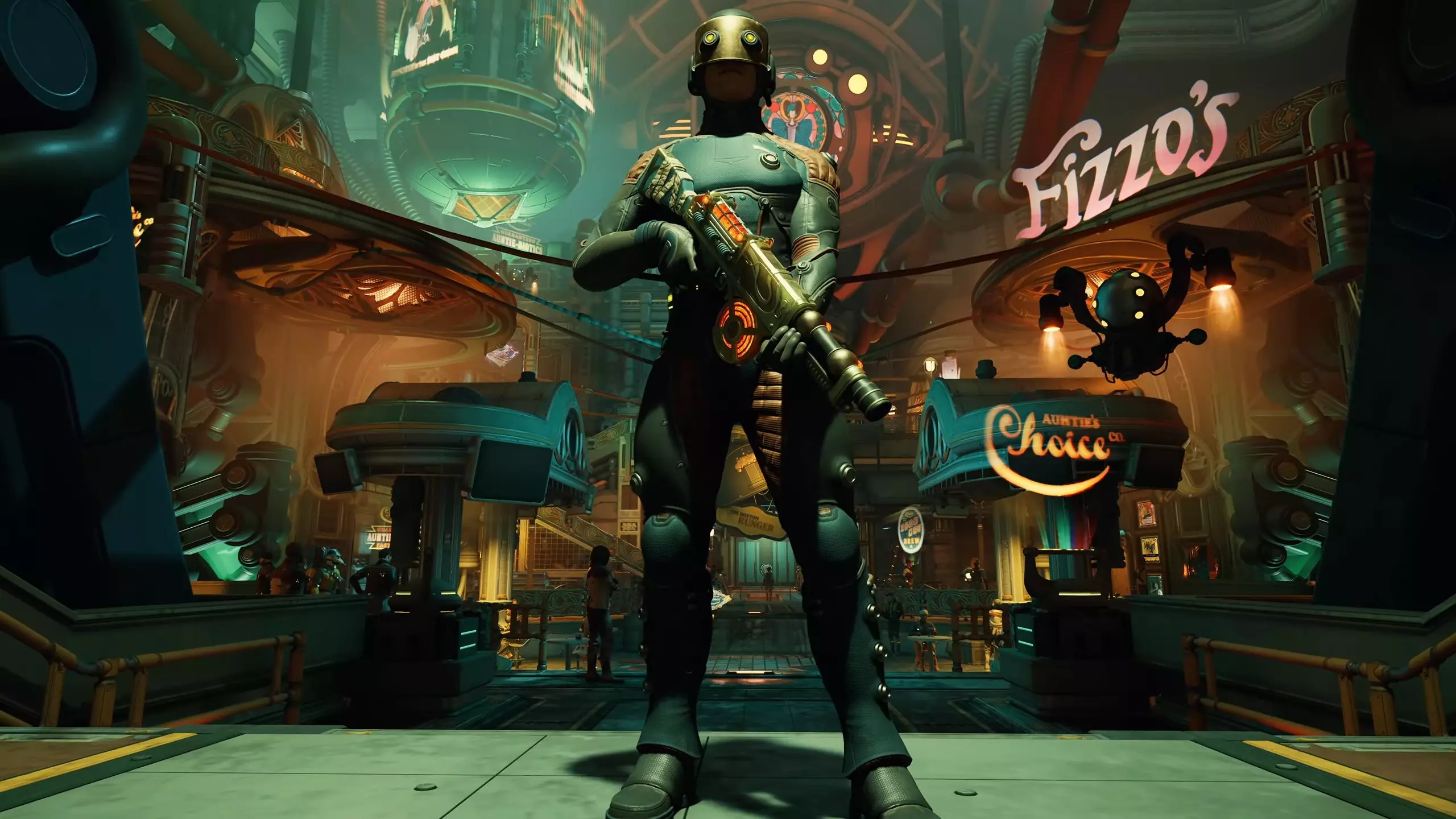
In a gaming industry often swamped by developers catering to mainstream audiences, “The Outer Worlds 2” emerges as a refreshing testament to the art of niche storytelling. Under the visionary guidance of game director Brandon Adler, Obsidian Entertainment has chosen a path that prioritizes authenticity and depth over mass appeal. This approach serves as a powerful reminder that video games can be both intricate and compelling without following established trends or formulas. As the anticipation for the sequel builds, it’s essential to unpack the multi-faceted vision that Adler and his team have for this RPG, including its character progression system, narrative weight, and how these elements come together to create a distinctive gaming experience.
Commitment to Meaningful Choices
One of the most invigorating aspects of “The Outer Worlds 2” is its steadfast refusal to implement respec capabilities, a feature many modern RPGs have adopted in an effort to appease a wider audience. Adler’s rationale is both simple and profound: choices in RPGs should resonate with players, bearing consequences that compel thoughtful engagement. Unlike other games where players can seamlessly switch between playstyles—transforming an excellent sniper into a silver-tongued negotiator with the click of a button—Adler champions a vision where decisions are both significant and irrevocable.
This philosophy fosters an environment where players must genuinely immerse themselves in their character’s growth and the world around them. By stripping away the safety net of respec, “The Outer Worlds 2” encourages players to invest emotionally in their characters. In the realm of storytelling, decisions deepen the player’s connection to the narrative. Each action comes with stakes that can lead to a richer and more personalized gaming experience.
Challenging the Status Quo
Brandon Adler’s approach stands in sharp contrast to the industry’s trend of blanket inclusivity—where every design choice is scrutinized for its potential to alienate any part of the player base. Adler openly embraces the risk of narrowing the game’s appeal. He acknowledges that the time spent on thoughtful decision-making and character development is not just a gameplay mechanic but a respect for the player’s time. This perspective places a premium on the immersive qualities of RPGs that many have found lacking in recent years.
Adler goes further to highlight the role-playing framework that “The Outer Worlds 2” employs. He believes that engaging storytelling is only as good as the choices players are afforded, noting that reactive narratives enhance the depth of player engagement. In doing so, the game promises to serve not merely as entertainment but as an exploration of the consequences inherent in one’s choices, a theme that, while not universally appealing, resonates deeply with those seeking a rich role-playing experience.
A Defined Lane in a Fluid Industry
The concept of “picking a lane” in game design shouldn’t be underestimated. In a time where game development can easily lean toward diluted experiences designed to attract a specific demographic (or as many demographics as possible), Obsidian’s commitment to an authentic vision is nuanced and bold. Adler’s focus is refreshingly intentional; he is clear about not sacrificing the core experience just to draw in potential players who may appreciate flexibility over depth.
However, in choosing this path, developers shift the onus back to the players. They must make an informed choice about whether the experience presented aligns with their gaming desires. It is a statement of purpose for both the creators and the audience—a partnership built on shared values rather than broad mediocrity.
A Call to the Passionate Few
Ultimately, “The Outer Worlds 2” is neither a mainstream blockbuster nor a casual gaming experience; it is designed for those who yearn for an enriching narrative steeped in consequence. This is a game crafted for players who relish the journey over the destination, who appreciate the weight of permanence in their choices, and who cherish the character-driven stories that come with complexity. By prioritizing an authentic experience, Obsidian stands to cultivate a dedicated following among gamers disenchanted by the slippery, interchangeable nature of many modern RPGs.
As anticipation for “The Outer Worlds 2” grows, it stands as a testament to the potential of video games to narrate compelling stories that emphasize consequence, authenticity, and artful character progression. It is a bold declaration from Obsidian that real gaming magic lies not in trying to appease everyone, but in forging connections with those who appreciate the nuances of impactful storytelling.
Leave a Reply