
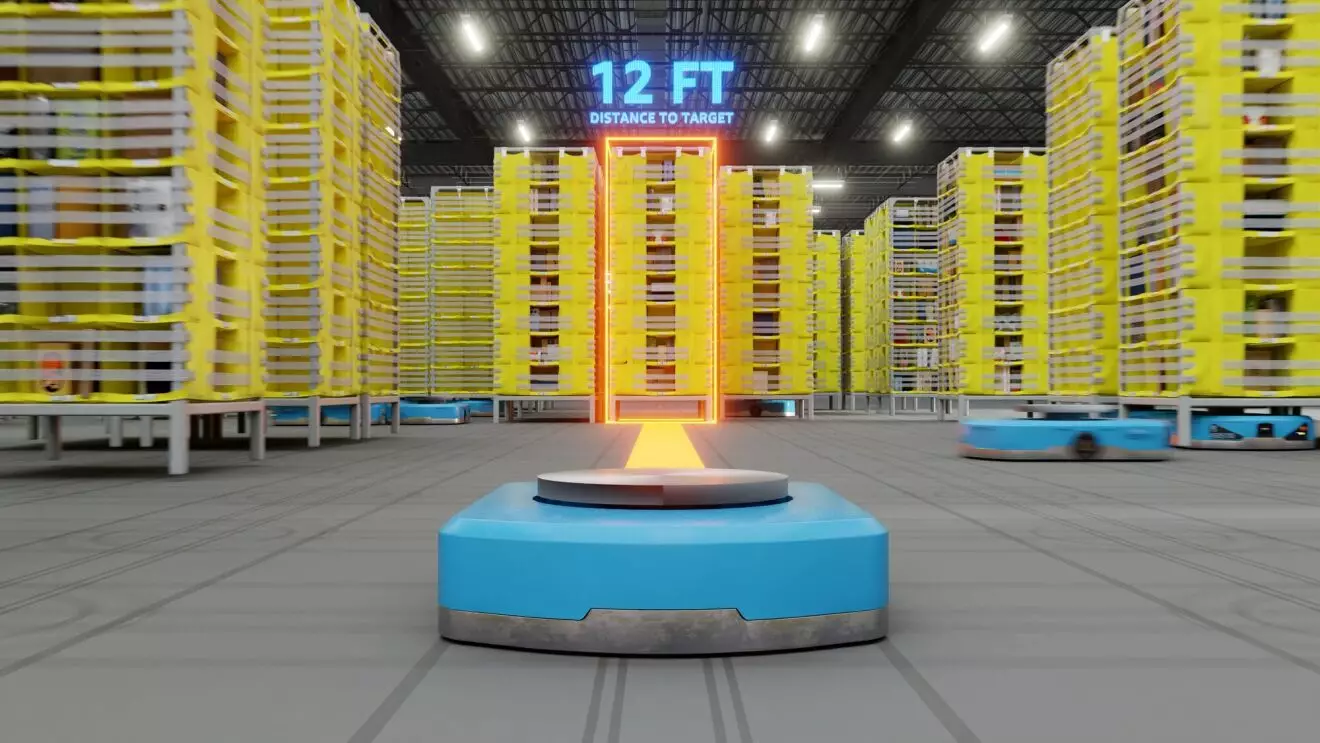
The rapid proliferation of Amazon’s robotic workforce marks a pivotal shift in how global commerce operates. With over a million bots now embedded in its logistics chain—a milestone achieved after 13 years—Amazon is reshaping its entire fulfillment ecosystem. This technological leap doesn’t merely symbolize scale but signifies a fundamental change in operational philosophy. The deployment of such an expansive robot fleet reflects a commitment to efficiency, precision, and relentless innovation, positioning Amazon as an industrial pioneer.
The integration of advanced AI, exemplified by the newly introduced DeepFleet system, indicates a move toward a more intelligent and cohesive robotic network. This innovation optimizes movement and coordination, resulting in a measurable boost in speed and a reduction in costs. Such advancements foster a more resilient supply chain capable of handling soaring demand. This seamlessly interconnected system of machines redefines what it means to run a warehouse—shifting from human-dominated spaces to highly automated environments that still rely on human oversight, but now in a supervisory role rather than front-line labor.
Automation as an Enabler for Human Workers
Contrary to the dystopian narratives often associated with automation, Amazon’s current approach seems to suggest a complementary relationship between humans and machines. The narrative highlights that many workers are transitioning into roles that require higher skills and offer better pay. Neisha Cruz’s story exemplifies this shift: from physically demanding manual tasks to oversight and management of robotic systems, now earning significantly more.
This hints at a broader trend within Amazon’s ecosystem—automation as a tool for elevating human roles rather than eradicating them. The robots handle repetitive, physically taxing chores, freeing employees to focus on problem-solving and oversight, tasks that often require a human touch. While the numbers—such as the increase from 175 to nearly 4,000 packages shipped per employee annually—are staggering, they also reveal the potential for human workers to evolve alongside automation. These technological tools can enhance productivity and open avenues for more meaningful employment; the risk is that this narrative conceals the real uncertainty about whether such shifts will be evenly distributed across sectors and regions.
The Ethical Dilemma: Progress at What Cost?
Despite technological triumphs, a critical eye uncovers unsettling questions about the broader societal impact. The headlines celebrate a billion packages shipped per year, yet behind these statistics lies an ongoing debate about labor displacement, economic inequality, and the loss of traditional manufacturing roles. Will automation serve as a liberation for workers, enabling them to pursue more fulfilling careers? Or will it tighten the grip of a corporate elite at the expense of a shrinking middle class?
Automation’s proponents argue that such innovations can lower prices and improve service, fostering economic growth. Yet, it would be naive to ignore the displacement of millions who rely on manual labor jobs—a reality that may worsen with further advances. The narrative often paints a picture where humans are merely shifting roles, acquiring new skills, and benefiting from higher wages. But a deeper analysis suggests that the transition may be uneven, leaving many behind or forcing them into precarious gig-like roles that do not offer stability.
Furthermore, the reliance on AI to coordinate and self-improve introduces concerns about control and transparency. The idea of machines that learn and adapt autonomously feeds into fears of losing oversight and the potential for unintended consequences. The story is not just about improved logistics; it’s about a future where human agency could be undermined by opaque algorithms and indomitable automation systems.
The Future of Human-AI Collaboration
Ultimately, the trajectory of automation in retail giants like Amazon hinges on how society chooses to shape this technology. While the current developments seem to promise a more efficient and possibly more rewarding work environment for some, it also raises urgent questions about inclusion, equity, and the ethics of robotic dominance.
The picture that emerges is complex: automation can be a tool for empowerment if harnessed thoughtfully. Yet, without deliberate safeguards and policies, it risks deepening existing disparities. As we celebrate the technological marvels unlocking unprecedented productivity, we must also remain vigilant about the human costs and ensure that innovation truly serves the collective good. After all, the true power of automation is not just in its speed or efficiency but in how it aligns with our shared values of fairness, dignity, and progress.
Leave a Reply