
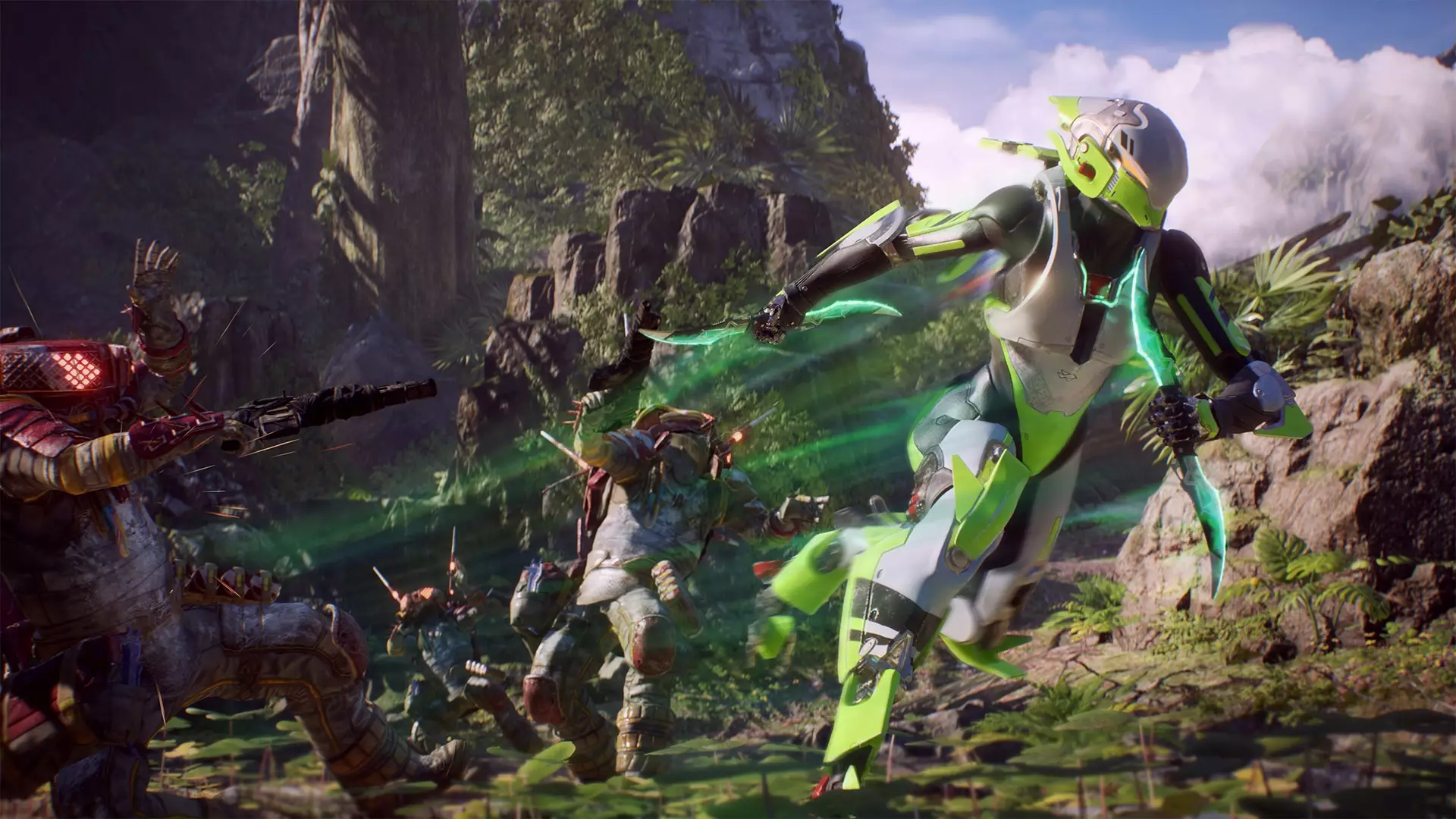
The impending shutdown of BioWare’s ambitious online shooter Anthem by January 2026 underscores a sobering reality in the gaming industry: even high-profile titles with passionate fanbases are not immune to the inevitable ebb and flow of corporate priorities and technological limitations. Former BioWare executive producer Mark Darrah reflects on this, admitting surprise that Anthem endured nearly seven years before its sunset. This candid acknowledgment exposes a critical flaw—industry practices often neglect the long-term preservation of digital creations. The transient nature of games, especially multiplayer and live-service titles, reveals a systemic failure to safeguard cultural artifacts in our digital age. This is not just an isolated incident but highlights a broader crisis, where games are treated as ephemeral commodities rather than enduring experiences deserving of preservation.
Technical Constraints and Cost-Driven Decisions
Darrah’s insight into why Anthem is being discontinued also sheds light on the practical constraints teams face. He suggests that if developers had prioritized different technical architectures—such as adopting peer-to-peer models akin to Destiny 2—they could have extended the lifespan of the game. However, this would have come at the expense of gameplay quality, introducing latency issues and compromised user experiences. This trade-off reveals a fundamental dilemma: developers often opt for the path of least resistance and lower costs, sacrificing long-term accessibility for immediate feasibility. The harsh reality is that technical and financial barriers have conspired to make game preservation an afterthought. As a result, countless projects—many now considered classics—face a premature digital death, erasing cultural memories and shared communities in the process.
Is Humanity Ready to Prioritize Preservation?
Darrah’s philosophical question—”what kind of world do we want?”—resonates deeply in this context. Do we accept the harsh truth that preserving every game in perpetuity requires sacrifices in fidelity, performance, or cost? Or are we willing to confront the economic and technological realities head-on to ensure our digital history remains accessible? His viewpoint hints at a dilemma: the cost of keeping games alive often outweighs short-term corporate incentives. Yet, he advocates for a societal decision to value preservation enough to bear these costs. This debate transcends technical considerations; it touches on cultural values, community preservation, and our collective responsibility to document our digital evolution. If we deny this necessity, we risk losing vital chapters of interactive history, much like how cultural artifacts are lost through neglect or deliberate discarding.
The Ethical Dilemma of “Killing” Games and Cultural Legacy
The “Stop Killing Games” movement emphasizes the importance of resisting the premature end of playable digital works. Darrah echoes this sentiment, acknowledging that the decision to sunset a game isn’t trivial and comes with consequences—cultural and economic alike. He draws an analogy with environmental policy, likening the disposal of digital assets to toxic waste dumping, which society delegates as unacceptable due to its long-term harm. By analogy, games are not mere products but part of a shared cultural fabric, deserving of rights and protections. As games like Anthem fade from servers and player memories, the cultural landscape shrinks, leading to the erosion of communal histories and shared experiences. The challenge lies in balancing industry realities with a moral obligation to preserve our collective digital heritage.
Charting the Path Forward: A Cultural and Technological Shift Needed
The core issue isn’t merely technical feasibility but the societal valuation of game preservation. Industry stakeholders, cultural institutions, and gamers themselves must rethink priorities. Funding, technological innovation, and policy changes could enable the creation of digital archives, emulators, and preservation projects akin to libraries and museums. This approach demands a cultural shift—viewing games as more than entertainment commodities but as art and history in motion. Darrah’s analogy about environmental regulation points toward an essential principle: accountability and collective responsibility. If we accept the premise that some level of sacrifice is necessary to preserve our digital past, then it becomes a moral imperative to advocate for systemic changes that embed preservation into the fabric of game development and distribution. Only through these efforts can we hope to prevent future Anthem-like tragedies and ensure that our cultural narrative endures beyond fleeting commercial lifespans.
Leave a Reply