
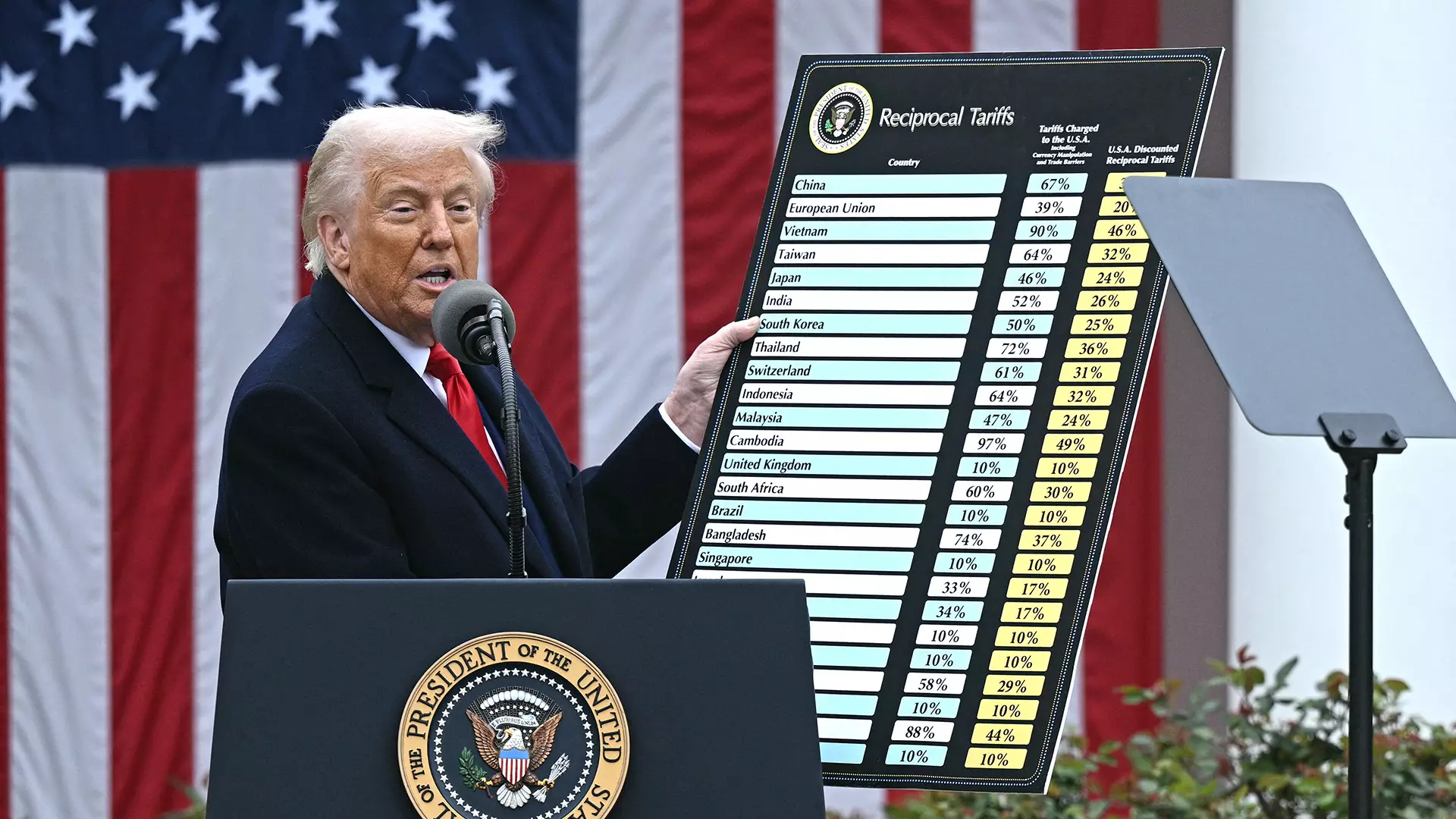
Tariffs are more than just economic tools; they are powerful instruments wielded by governments to wield influence and signal strategic priorities. In recent years, the United States, under the influence of leaders like Donald Trump, has turned to tariffs as a means of asserting dominance and rebalancing its trade relationships. While many perceive tariffs as simple trade barriers, their implications run deep, affecting diplomatic relations, manufacturing ecosystems, and technological innovation. The recent executive orders imposing reciprocal tariffs on numerous countries exemplify this approach, highlighting a strategic shift that blends economic protectionism with national security considerations.
Far from being purely reactionary, these tariffs symbolize a calculated effort to protect domestic industries and compel foreign nations to revisit uneven trade agreements. In particular, the focus on semiconductor and pharmaceutical sectors reveals an underlying intent to secure supply chains deemed essential for technological advancement and economic security. By targeting countries like Malaysia and Taiwan—key players in semiconductor manufacturing—the U.S. seeks to bolster its own production capabilities while discouraging overreliance on imported components. However, this approach invites a complex web of repercussions, ranging from strained diplomatic ties to increased costs for consumers and industries dependent on these imports.
Impacts on Innovation and Global Supply Chains
One of the most significant concerns about heightened tariffs is their potential to stifle innovation. For industries reliant on rapid access to advanced technologies, such as semiconductors, tariffs can create roadblocks—delaying pipelines, raising costs, and discouraging investment. While some manufacturers, like TSMC and Samsung, are proactively expanding their footprint within the U.S., such efforts are not immediate solutions to the broader issues of global dependency. These new facilities, though promising, cannot fully meet the immense demand for cutting-edge chips, leaving a gap that tariffs might inadvertently widen.
Moreover, the surge in protectionist policies risks fragmenting the global supply chain, which has historically fostered rapid innovation through competition. When countries retaliate or impose their own tariffs, the result can be a fragmented market where collaboration across borders diminishes. This is particularly problematic in high-tech fields where cross-border cooperation accelerates breakthroughs. The tentative negotiations with Taiwan regarding semiconductor tariffs underscore this delicate balancing act. The provisional reductions from 32% to 20% indicate attempts at diplomacy, yet the uncertainty clouds future collaborations and strategic partnerships critical to technological leadership.
The Economic Toll on Consumers and Industries
Tariffs are not just abstract political tools; they have real-world consequences for everyday consumers and industries. As tariffs escalate, the cost of imported goods directly increases, prompting manufacturers to raise prices. For critical sectors like PC hardware and gaming equipment, rising component prices threaten to slow down innovation and accessibility. The recent exodus of companies from overseas production—such as TSMC’s investments in Arizona and Samsung’s fabrication plant—are efforts to mitigate risk but cannot entirely shield local markets from global price hikes.
Furthermore, the ripple effect of tariffs extends beyond immediate costs. Producers are forced to navigate uncertain terrain, pausing shipments or shifting supply strategies, which can lead to delays and reduced product availability. Gamers, for instance, may find themselves paying more for high-end hardware, hindering the broader ecosystem of technological advancement that benefits consumers over the long term. The hesitation and shifts in manufacturing strategies are indicative of an environment where protectionism is prioritized over collaboration, with potential stagnation or even decline in innovation as a consequence.
Reimagining the Future of Global Technology Development
In the face of these volatile tariff policies, one must question what the future of technological leadership will look like. While the pursuit of domestic manufacturing resonates with national security concerns, it must be balanced carefully to avoid undermining the global ecosystem that fuels relentless innovation. A strategic vision that combines targeted tariffs with robust international alliances may be more effective than blanket protectionist measures. Companies like TSMC and Samsung demonstrate resilience and adaptability, but their success is not guaranteed if geopolitical tensions escalate further.
The ongoing negotiations and tentative tariff reductions reveal an understanding that dialogue and cooperation are still vital. Yet, the overarching trend suggests a shift toward a more fragmented digital world—one where tariffs act as barriers rather than bridges. In this climate, industry leaders and policymakers face the daunting challenge of fostering innovation amidst escalating economic nationalism. Whether this will lead to a renaissance of domestic manufacturing or a slowdown in cross-border collaboration remains to be seen, but the stakes are undeniably high.
By critically examining the strategic deployment of tariffs, it becomes clear that they are not just tools for economic leverage but also statements of power and intent. Their influence extends beyond mere trade balances, shaping the very fabric of technological progress and international diplomacy. Navigating this landscape will require visionary leadership—ones that prioritize innovation, cooperation, and resilience over short-term protectionism.
Leave a Reply