
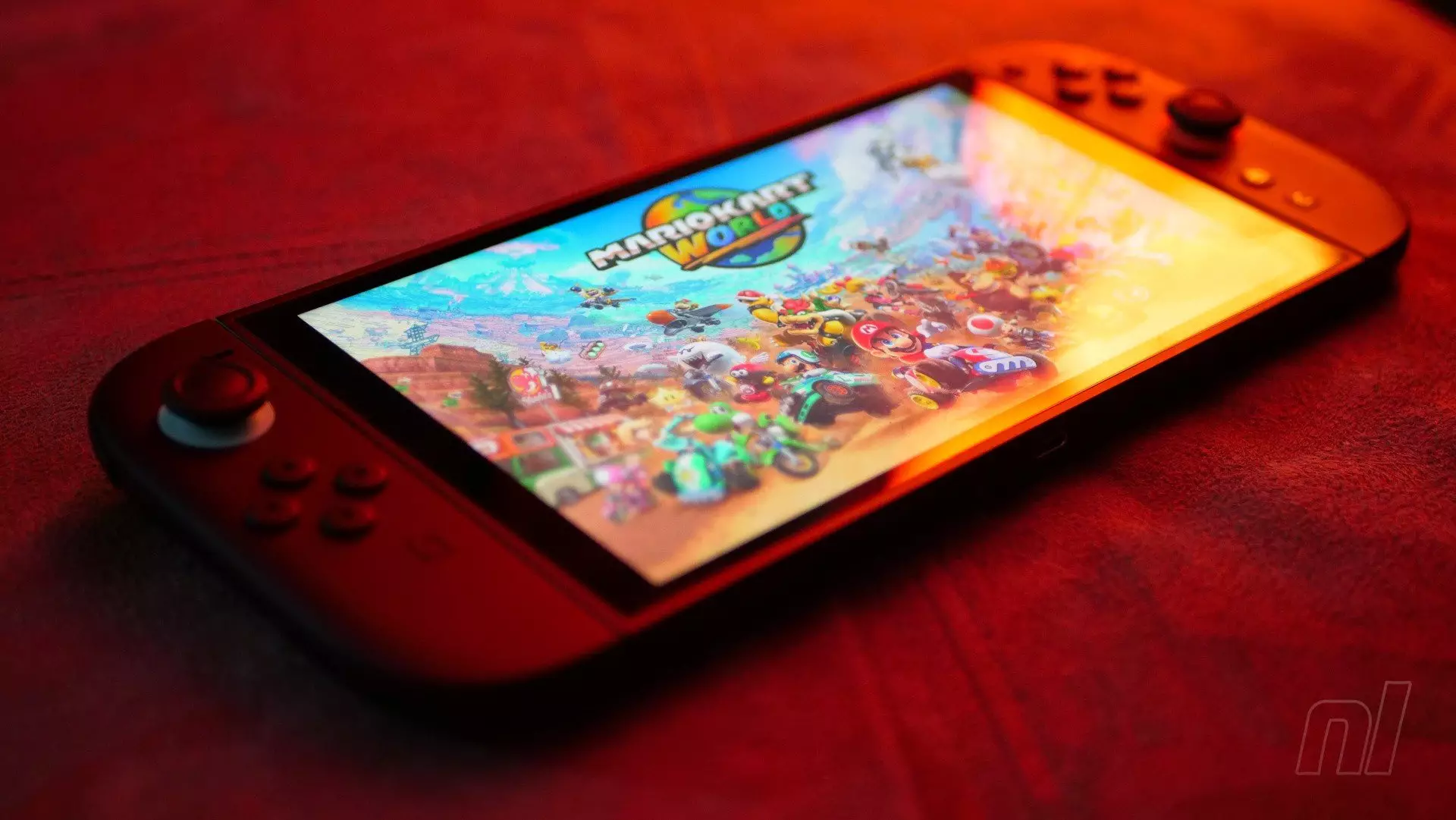
As Nintendo unveils its latest console, the Switch 2, expectations are soaring. The inclusion of a more sophisticated cooling system, evidenced by a built-in fan in the dock, signals Nintendo’s awareness of the increased power demands of modern gaming. This upgrade hints at a push for better performance and visuals, aligning with industry standards. However, such enhancements come with unforeseen complications. Reports emerging from Japan suggest a troubling trend: the console overheating during gameplay. While some may dismiss this as typical for high-performance electronics, the frequency and nature of these complaints demand serious attention. It’s a stark reminder that pushing technological boundaries often realizes unintended side effects, which could undermine consumer confidence or tarnish Nintendo’s reputation if left unaddressed.
The Reality of Overheating: Is It Just a Rumor or a True Threat?
Initial reactions focus on anecdotal experiences rather than widespread corroboration. Users describe their experience with the Switch 2 becoming uncomfortably hot, with some unable to hold the device due to heat levels. Others mention the console’s fans working overtime, sometimes generating disruptive noise. Nonetheless, definitive evidence linking these symptoms to critical overheating remains elusive. For example, one user reported a crash during gameplay but attributed it to overheating based purely on fan activity, not conclusive temperature readings. It’s crucial to note that electronics frequently showcase such symptoms as a protective measure rather than actual damage. Without proper temperature sensors and data, consumers and reviewers alike must remain cautious in their claims, even as frustrations grow.
Environmental Factors and Design Limits
Nintendo’s official guidance emphasizes proper placement — avoiding heat sources and ensuring unobstructed air vents. These recommendations are standard but underscore an essential truth: device performance heavily depends on usage environment. In hotter climates or cluttered spaces, the risk of overheating naturally increases. The design of the Switch 2, while advanced, cannot entirely negate environmental variables that elevate internal temperatures. Accordingly, consumers should remain vigilant, understanding that overheating issues may stem not solely from design flaws but also from external conditions. Manufacturers, too, must balance hardware capabilities with realistic usage scenarios in diverse environments.
Implications for Consumers and Future Innovation
Ultimately, the overheating reports highlight a critical challenge for Nintendo: balancing raw performance with thermal management. As gamers demand more from their consoles, manufacturers cannot rely solely on hardware improvements; innovative cooling solutions and better user guidelines are essential. While the early feedback is concerning, it provides valuable data to improve future iterations. For consumers, this calls for a cautious approach: stay informed, monitor your device’s behavior, and follow recommended usage practices. If overheating becomes widespread, it could influence Nintendo’s strategic approach and product reliability perceptions. Advancing technology is vital, but safeguarding user experience must remain paramount to nurture trust and sustain innovation’s momentum.
Leave a Reply