
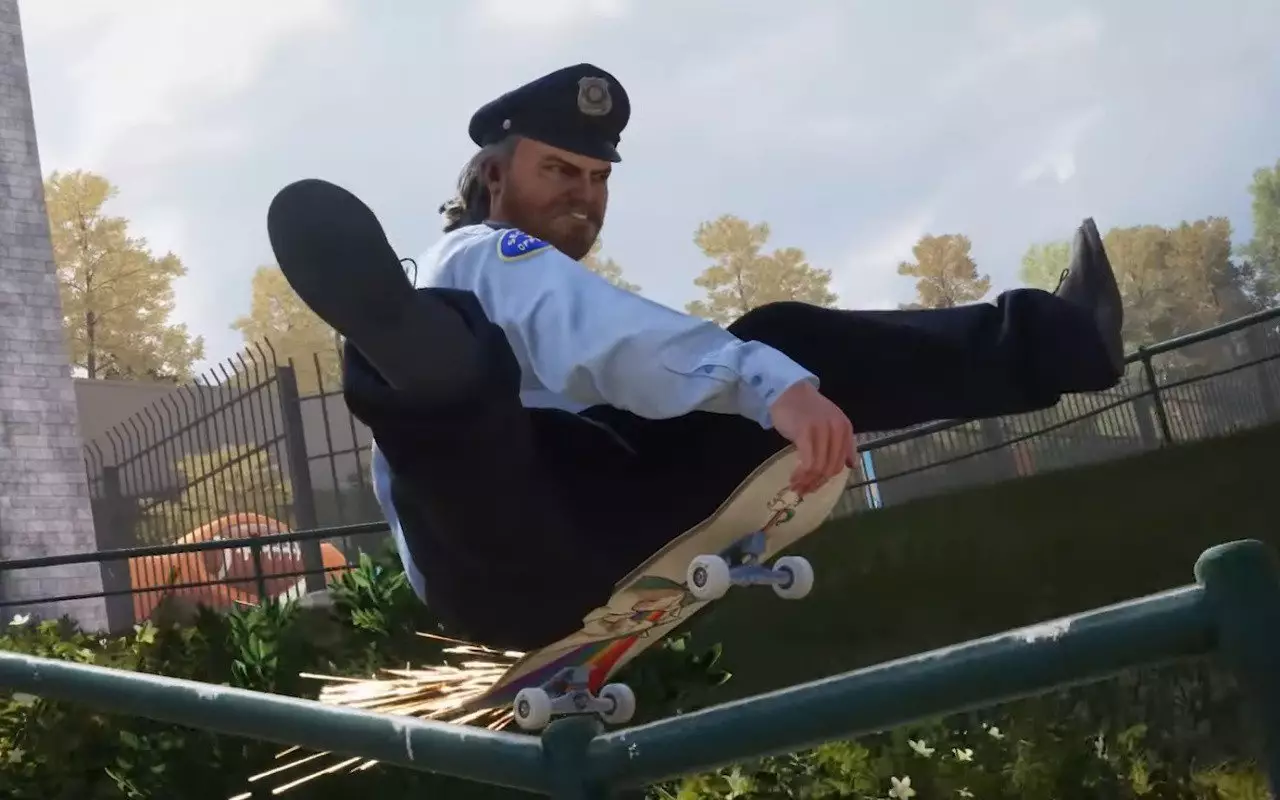
The release of Tony Hawk’s Pro Skater 3 + 4 on multiple platforms marks a nostalgic resurgence for veteran fans and a fresh introduction for newcomers. While the core gameplay remains a testament to the series’ legacy of exhilarating skateboarding, the soundtrack serves as a critical measure of how the franchise adapts to contemporary music landscapes. This isn’t merely about song choices; it’s about the broader implications of cultural perception, artistic authenticity, and strategic innovation within a beloved franchise. As a critic, I find it fascinating how the soundtrack acts as a mirror of shifting musical tastes, and perhaps even societal values, demonstrating that what is considered “cool” or “relevant” evolves over time.
The Artistic Dilemma: Tradition Versus Innovation
In previous iterations, the Tony Hawk series was renowned for curating soundtracks that defined a generation, featuring punk, ska, and alternative tracks that became synonymous with skateboarding culture. Now, with the recent update, there’s a clear tension between honoring the past and embracing the present. Tony Hawk’s stated intent to introduce “new music” reflects a conscious effort to stay fresh and relevant. However, this raises questions about artistic integrity and cultural preservation. While champions of innovation argue that it expands horizons and introduces players to undiscovered artists, critics might contend that sacrificing the essence of a classic soundtrack risks diluting the franchise’s identity. It’s a delicate dance—how to keep the series current without eroding its nostalgic roots.
The Commercial and Cultural Impacts of Changing Soundtracks
The decision to prioritize emerging acts and more contemporary music also aligns with strategic market positioning. Younger players often gravitate toward newer sounds, and including them helps keep the franchise appealing in a competitive entertainment landscape. Yet, this approach can alienate longtime fans who associate the original soundtrack with their formative memories. Moreover, the exclusion of a song like Alien Ant Farm’s “Wish” feeds into ongoing debates about the role of corporate decisions versus artistic taste. Hawk’s explanation—that the song was omitted to make room for “new acts”—might seem pragmatic, but it signals a broader cultural shift away from the curated nostalgia that once defined the series. It suggests a marketing strategy that values novelty over authenticity, which could have repercussions on brand loyalty.
Balancing Legacy and New Voices in Skating Culture
By actively selecting artists who are “still in the scene” and “actively skating,” the latest iteration emphasizes authenticity and current relevance. Features like showcasing rising stars from diverse backgrounds such as Chloe Covell or Rayssa from Brazil exemplify an inclusive vision that mirrors the global reach of skate culture today. Including late-stage developments like Bam Margera’s appearance indicates an attempt to connect past controversies, current trends, and future potential. However, critics might argue that such choices, while innovative, risk fragmenting the identity of what a Tony Hawk game should represent. Does the franchise dilute its essence by constantly shifting its musical and cultural narrative, or does it adapt and thrive by reflecting the current zeitgeist?
Final Reflection: A Soundtrack as a Cultural Barometer
Ultimately, the soundtrack in Tony Hawk’s Pro Skater 3 + 4 functions as a barometer of cultural change, reflecting not only musical innovation but societal attitudes towards authenticity, diversity, and nostalgia. While some may feel nostalgic for the era-defining tracks of the original games, the evolving playlist underscores a broader willingness to experiment and redefine the game’s identity. As a critic, I believe this ongoing tension signifies growth—an acknowledgment that even the most iconic titles must adapt or risk obsolescence. Whether this evolution reinvigorates the franchise or dilutes its cultural significance remains to be seen, but one thing is clear: in a world where music is as fluid as skate tricks, staying true to core values while embracing change is a challenge that demands both courage and conviction.
Leave a Reply