
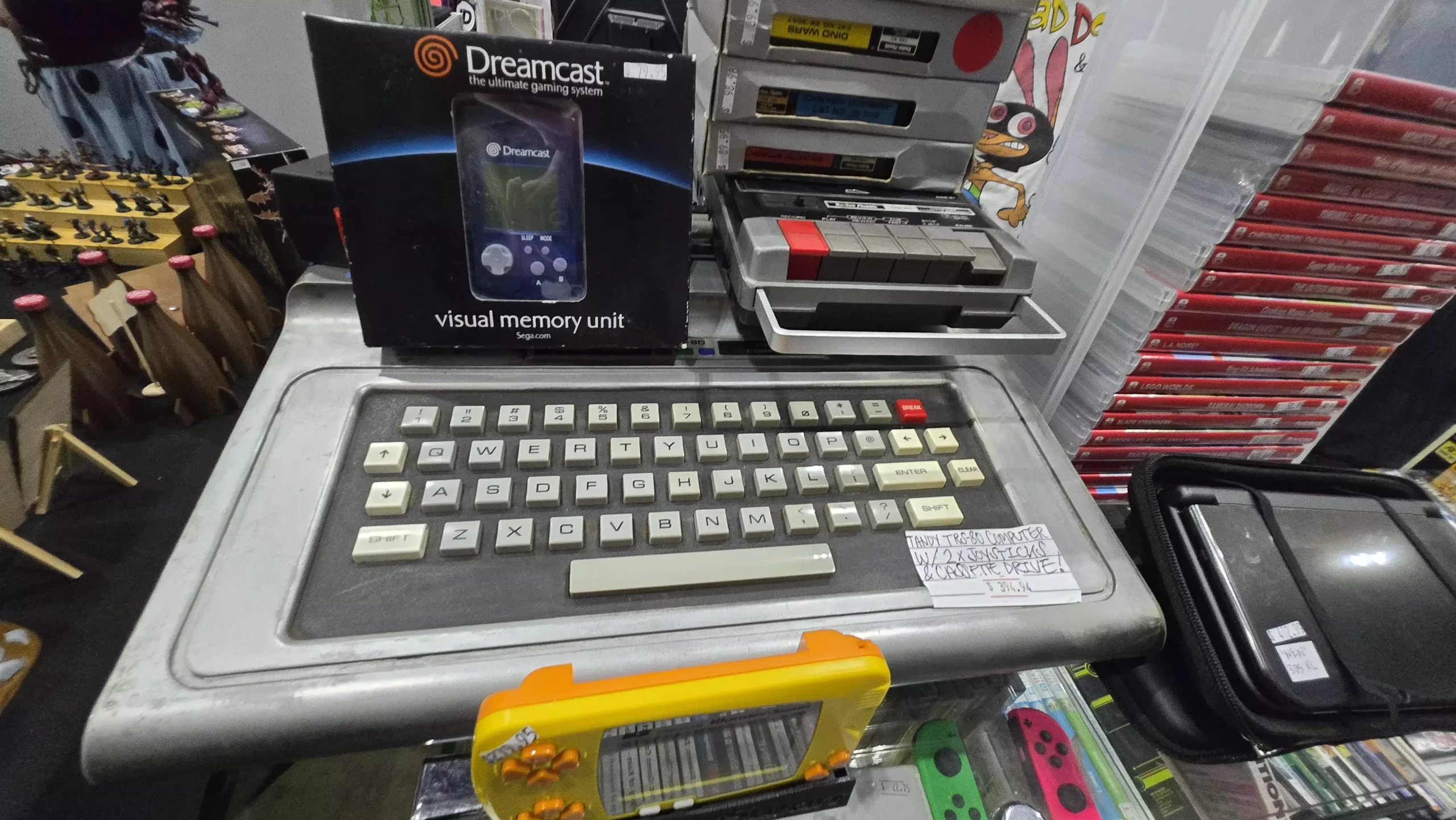
In recent years, the landscape of nostalgia and collecting has experienced a noticeable shift. While vintage consoles like Nintendo’s Game Boy or Sega’s Genesis have become prized possessions at expos and conventions, PC hardware appears to be fading into obscurity. This trend begs a serious critique: why has the allure of old PC components diminished in comparison to the tangible, tactile appeal of console relics? As someone who recently attended a prominent collectibles fair, the discrepancy between the vibrant interest in handhelds and retro consoles versus the scant enthusiasm for PC gear is stark and revealing. It sparks an essential dialogue about how modern collectors engage with gaming history, what items are deemed valuable, and whether PC hardware is being unjustly overlooked or genuinely losing its significance.
Changing Consumer Preferences and the Intangible Nature of PC Collectibles
One of the primary reasons for the dearth of PC hardware at collectibles events lies in the fundamental differences between physical console artifacts and PC components. Consoles and handheld gaming devices have distinct, visually appealing designs, and their physicality makes them ideal for display and nostalgia. PC hardware, on the other hand, often resides in nondescript cases or outdated, unremarkable components that lack the immediate visual impact that draws collectors. Their primary appeal is often rooted in performance, modding culture, or specific technological milestones, none of which translate easily into tangible collectibles. As a result, many collectors see PC gear as less “marketable” or less emotionally resonant than the iconic shapes and familiar logos of consoles.
Furthermore, the sheer technological obsolescence of PC parts complicates their desirability. Unlike vintage game cartridges or intact consoles, many PC components are considered functionally irrelevant—outdated hardware has little practical use, and unless they are pristine, rare artifacts, they often languish in storage. This diminishes their appeal in a scene driven by aesthetic allure and tangible nostalgia. The market’s focus on items that can be displayed, shown off, or easily identified as iconic gaming symbols has left PC hardware in the shadows of consumer memory.
The Economics and Practicalities of Collecting PC Hardware
Another layer to this issue involves the practical economics of collecting PC hardware. The modern collector’s market gravitates toward items that promise either nostalgia or investment potential, and for the most part, older PC gear doesn’t fit these criteria well. High prices on vintage PC components—like the nearly $400 asking price for a Tandy TRS-80—reflect their rarity, but also their perceived limited demand. The reality is that the market for retro PC parts is niche and shrinking; most buyers interested in PCs are concerned with functionality, upgradability, or software compatibility rather than preserving relics.
This economic reality is compounded by the prevalence of emulation, digital downloads, and cloud gaming, which have reduced the necessity of physical media and hardware for gameplay. The idea of owning a physical copy of a classic PC title or vintage hardware becomes less relevant when one can access these digitally or through software preservation efforts. Meanwhile, the wise investment in modded handhelds and classic consoles—with their tactile feel and visual appeal—continues to thrive because of their immediate appeal, both physical and aesthetic.
What the Future Holds for PC Collecting
If the current trends are any indication, the decline of PC collecting as a popular activity might not reverse easily. The vintage PC scene’s limited appeal at events reflects broader technological and cultural shifts. For many, the magic of computing lies in its continuous evolution rather than in preserving artifacts from the early days—something that fuels nostalgia for consoles and handhelds.
However, this should not be mistaken for a total disappearance. Niche communities dedicated to preserving early computing history persist, and specialized collectors will always seek rare or historic PC hardware. But their efforts are increasingly confined to museums, digital archives, or private collections rather than mainstream markets or public expos. The challenge for enthusiasts will be to find ways to make PC hardware as engaging and visually stimulating as retro consoles, perhaps by emphasizing aesthetics, modding culture, or historical significance.
As the gaming and tech industries evolve, so too will the narratives around what constitutes valuable memorabilia. Whether PC hardware will eventually gain a new form of relevance—perhaps through retro-futuristic art, custom builds, or technological nostalgia—remains uncertain. But one thing is clear: the era when PC components could stand shoulder to shoulder with vintage cartridges or classic consoles at mainstream expos is likely over, signaling a shift in collecting priorities driven by aesthetics, demand, and cultural significance.
Leave a Reply