
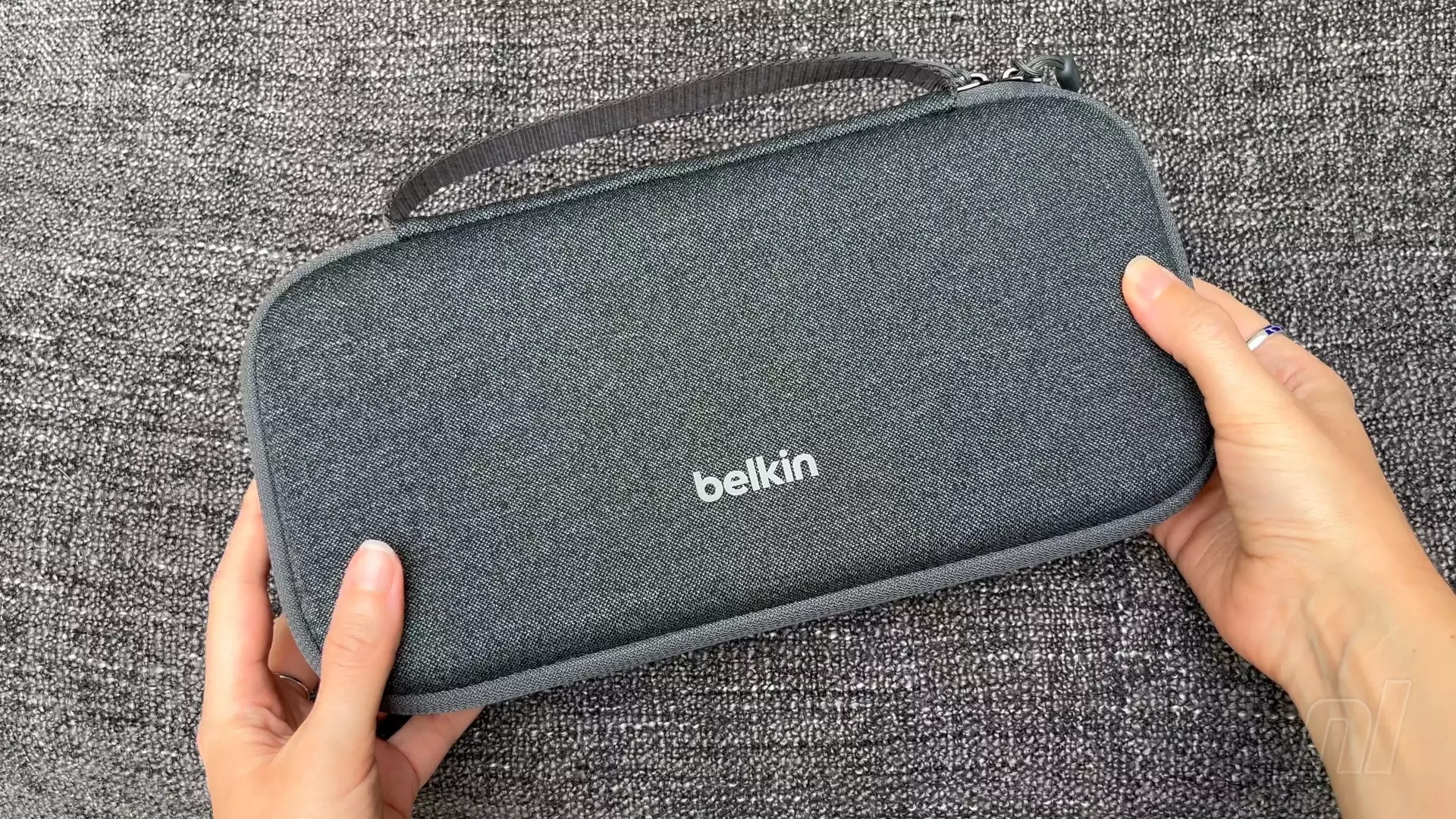
In the realm of portable gaming, where convenience meets technology, gamers constantly seek the perfect balance of protection, power, and usability. The concept of a combined charging case for the Nintendo Switch 2 aims to deliver just that—a rugged enclosure that also supplies extended battery life. However, despite its promising idea, the execution often leaves much to be desired. The Belkin Charging Case, for example, presents itself as a formidable companion but falls short of fully realizing its potential. Its robust exterior, while reassuringly tough, introduces inefficiencies that compromise the overall user experience.
The case’s built-in 10,000 mAh battery promises hours of uninterrupted gaming. Ideals like this are attractive, especially for gamers on the go who dislike the constant hunt for charging outlets. However, the large capacity comes at a cost: increased bulk and weight, making the device less portable than one might hope. The interior design—featuring compartments for game cards, a mesh pouch, and even a slot for an AirTag—demonstrates thoughtful planning, yet the fitment of the Switch 2 itself raises concerns. The console, rather than snugly fitting into the designated slot, is prone to rocking and movement, which can be disconcerting and potentially damaging over time.
Functionality vs. Form: The Balance of Gaming Accessories
Functionality should be at the heart of any gaming accessory, but the Belkin case appears to prioritize external protection and battery capacity at the expense of a secure fit. Though it claims to keep the console safe, the looseness within the case fosters a sense of insecurity. This looseness could lead to accidental impacts or screen damage—ironically, the very risks that the case is supposed to shield against. The design does include protective lips and straps, but evidently not enough to prevent unnecessary movement.
Furthermore, while the case boasts a clever layout—an organized space for accessories and a sizable power bank—the inefficiencies in space usage suggest a missed opportunity. A more streamlined battery, perhaps with a slightly slimmer profile, could have lessened the bulk and improved fit. The high price point of nearly $70 seems unjustified for a product with these shortcomings. The case’s strengths are overshadowed by its flaws: bulkiness, imperfect fitment, and questionable protection.
What gamers truly need is a thoughtfully designed solution that combines robust safety with ergonomic convenience. The current iteration of this charging case emphasizes capacity over finesse, and until manufacturers prioritize a balanced approach, consumers will remain seeking better alternatives. For now, it’s a reminder that innovation must be accompanied by meticulous execution—something this case, regrettably, falls short of achieving.
Leave a Reply