
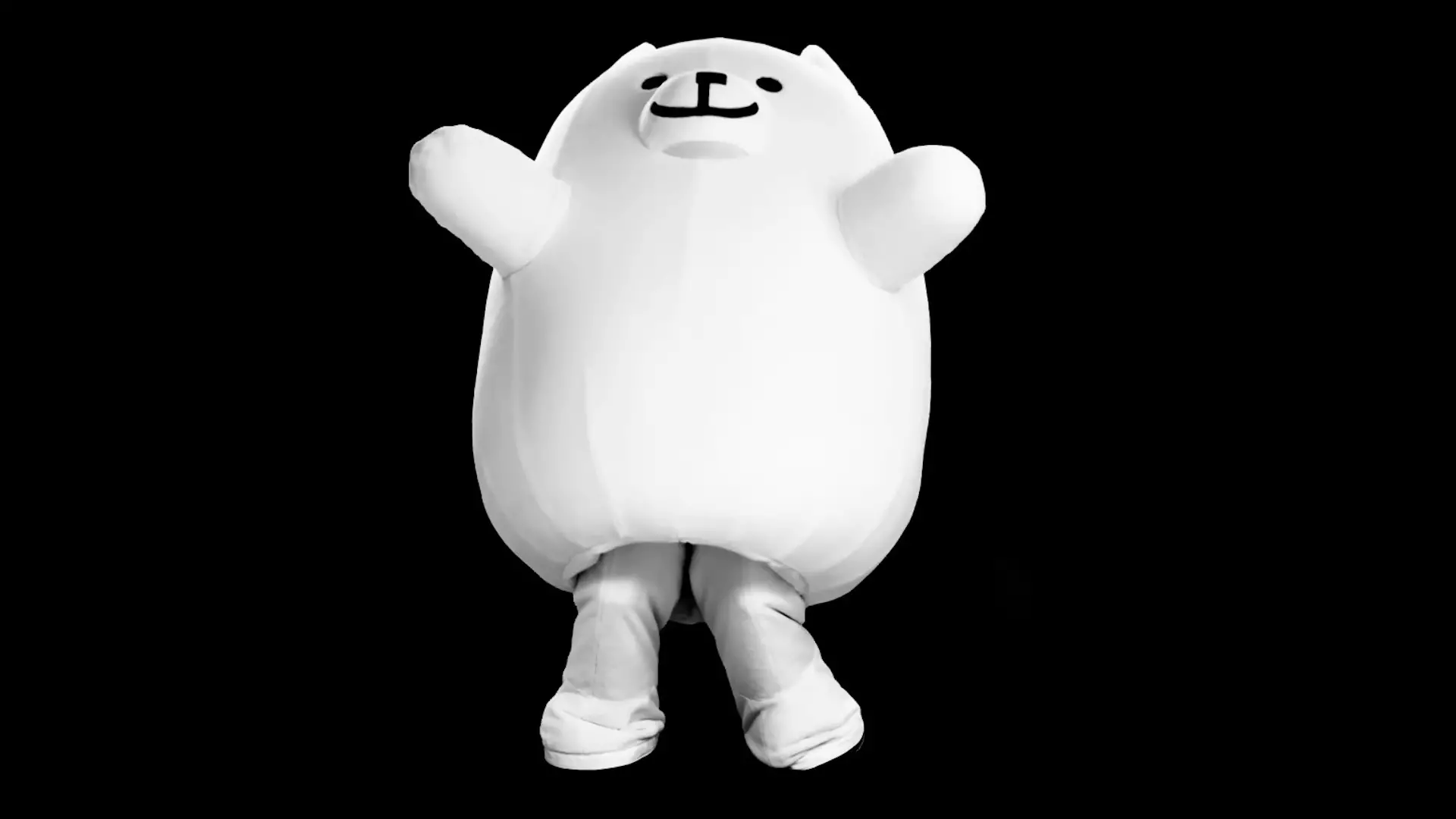
In the expansive world of video games, character creation is a volatile interplay of imagination, creativity, and timely execution. Toby Fox’s creation of Tenna, one of the standout antagonists in Deltarune, is an arresting example of this dynamic process. Fox, the brilliant mind behind the cult-hit Undertale, had envisioned this character years ago, back in 2016—an era filled with ambitious plans and creative exploration. While the execution of Tenna in the current iteration of Deltarune is a testament to Fox’s talent and growth as a developer, it also illustrates the many challenges and iterations he faced throughout the creative process.
Fox intended to leverage the Xbox Kinect for animating Tenna, which aligned with the experimental and novel spirit of the mid-2010s gaming landscape. However, that particular vision was quickly abandoned—a telling moment that indicates how the landscape of game development often diverges significantly from initial aspirations. What remains intriguing is the creative thread that connected Fox’s early ideas to the final version of Tenna. Such evolution illustrates not only the flexible nature of creativity but also highlights how character design can be an emotionally charged journey, rife with both exploration and disappointment.
Challenges and Inspirations: The Road Less Traveled
Toby Fox openly admits to his previous concerns regarding Tenna’s acceptance in the gaming community, worried that players might simply liken him to another character from his oeuvre, Spamton. This anxiety speaks to the broader struggles creators face in ensuring that their characters stand out amidst an expansive lore and lineup of beloved figures. However, the positive reception Tenna has received serves as a gratifying vindication for Fox, whose labor over the years has undeniably borne fruit.
Interestingly, Fox’s tweets clarify that Tenna’s development wasn’t merely about conveying fear or malevolence; rather, it involved an assortment of ideas that reflected a playful spirit—like the notion of Tenna performing MikuMikuDance (MMD) routines. The mention of these dances ties Tenna to a rich vein of online culture, where fan-made animated pieces can propel a character’s popularity. One wonders how much such aspirations not only motivated Fox but also reflected a yearning for connection within gaming communities that cherish creativity and expression.
Collaboration as a Canvas
While it is common for creators to hoard their artistic endeavors, Fox has chosen to emphasize collaboration in Tenna’s development. Acknowledging the involvement of skilled artists such as Chelsea Saunders, D.G., and Clairevoire reveals an essential truth about the creative process: it thrives on community. Tenna’s 3D modeling and animation were products of a collective effort rather than a solo endeavor, inviting varying perspectives and talents into the mix. This relational aspect enhances the character’s dimensionality and situates Tenna within the larger tapestry of Deltarune.
Fox’s candidness about feeling slightly disheartened regarding his abandoned ideas adds an evocative layer to the narrative. It implies that the evolution of a character often involves the painful recognition of what could have been. This sentiment resonates with many creators across all disciplines—they wrestle with what they discard in pursuit of clarity and coherence in their projects. Yet, it also suggests that it’s this very act of occasional failure and redirection that ultimately leads to the triumph that is Tenna.
The Fans: A New Dimension of Creation
A significant component of Tenna’s impact derives from the fervent community reaction. The character has generated considerable discourse among fans—whose interpretations and fan arts turn initial ideas into manipulated forms of expression that enrich the ecosystem surrounding Deltarune. The potential emergence of user-generated content representing unreleased ideas like the envisioned MMD dances invites a delightful opportunity for collaborative ownership in the gaming space. The ongoing interaction between a creator’s intentions and the community’s reinterpretations renders a character like Tenna even more compelling.
The dialogue between Toby Fox and his audience further illustrates this dynamic. Players are not just passive consumers; they become active participants in a character’s life, as their thoughts and creations contribute to Tenna’s expanding narrative. In other words, Tenna’s existence transcends the binary definition of a game antagonist. He evolves, much like the aspirations Fox initially grappled with, into something that resonates deeply within the community’s collective imagination.
In encapsulating the journey of Tenna, we see more than just a character in a game; we witness an intricate exploration of creativity, collaboration, and communal engagement. Each layer of his development reflects the trials and triumphs experienced by both creator and community, offering a blueprint for the future of character creation in gaming.
Leave a Reply