
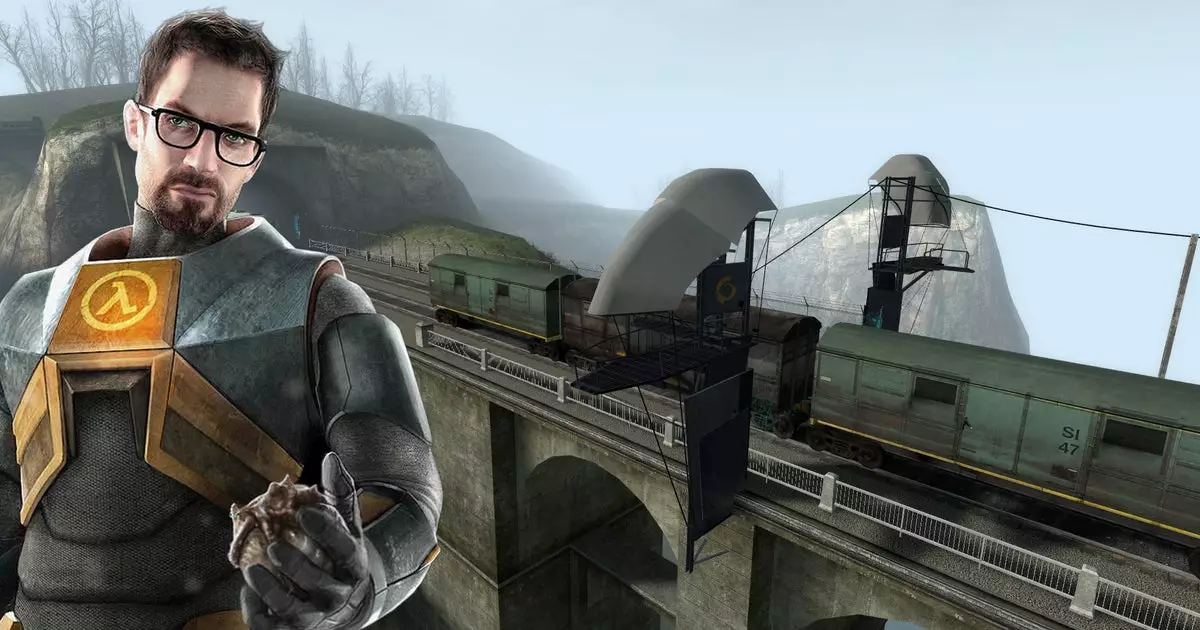
In the realm of video game development, small updates often go unnoticed by the broader gaming community. However, these modest patches can carry profound implications for the experience and longevity of a game. Valve’s recent minor tweak to Half-Life 2 exemplifies how even the tiniest adjustments can reshape our understanding of a beloved classic. While seemingly trivial—restoring the train’s speed—the update underscores a fundamental truth: details matter immensely in shaping player perceptions, nostalgia, and the enduring relevance of a game. It also highlights the importance of developer stewardship, as maintaining an iconic title beyond its initial release reveals a commitment that transcends marketing cycles.
This particular update may be small, but it serves as a powerful reminder that game design is an ongoing process. It’s a dialogue with the player base, where even small concessions or fixes recognize the community’s attachment to authenticity. Restoring the train’s speed to match the original difficulty doesn’t just adjust gameplay—it restores a piece of the original challenge, and by extension, the game’s spirit. This act of fine-tuning can invigorate old gameplay loops, encouraging players to revisit or rethink familiar sections with a fresh perspective. Such bottom-up attention to detail enhances the game’s legacy, emphasizing that it’s not merely about the big moments but about preserving those subtle nuances that define the experience.
The Cultural and Nostalgic Weight of Minor Adjustments
The history of Half-Life 2 demonstrates that its impact transcends gameplay to become a cultural touchstone for fans and critics alike. Its mechanics, narrative, and environmental design are held dearly—a testament to Valve’s craftsmanship. When the developers tweak a component like the train, that action reverberates with nostalgia and cultural significance. It reminds players that the game is still alive, still cared for by its creators decades after its debut.
Moreover, these updates serve as acts of respect toward the community. They acknowledge that players hold particular memories—some of triumph, others of frustration—that are worth preserving. In this context, fixing collision issues or adjusting AI interactions is more than mere bug fixes; it’s about safeguarding the integrity of a shared experience. These miniature acts of care help keep the game relevant and engaging, even for those who have long mastered its mechanics. They reinforce the idea that a classic is a living entity, adaptable and receptive to continual refinement.
From a broader perspective, these updates showcase how games are not static monuments but evolving works of art. They challenge the misconception that older titles should remain untouched relics; instead, they should be nurtured and tweaked to foster ongoing enjoyment. The act of fixing that seemingly insignificant train reflects an understanding that the game’s cultural significance lies partly in its detail and authenticity, which publishers and developers should actively protect.
The Community and Developer Synergy: A Mutual Benefit
The ongoing dialogue between developers and the community plays a crucial role in how these minor updates are conceived and appreciated. Often, subtle fixes originate from dedicated fan feedback, highlighting issues the developers might not have prioritized initially. In the case of Half-Life 2, a few players noticed the change in train speed over years and expressed their desire for a return to the original challenge. Valve’s response—restoring the train’s pace—demonstrates how attentiveness to community concerns can enhance the experience without overhauling core gameplay.
Furthermore, such updates encourage a sense of participation. Players see their feedback valued, fostering loyalty and a shared custodial sense. For developers, these fixes serve as an avenue to demonstrate meticulous care, showing that their commitment extends beyond commercial releases to the ongoing stewardship of their art. This synergy ultimately benefits both sides: players feel more connected, and developers maintain the vitality of their creations long after release in a kind of digital stewardship.
Yet, these updates are not without their contradictions. Some critics argue they might break in-game balance or nostalgia for certain players. However, the willingness to correct and refine speaks to a mature understanding that games, especially timeless classics like Half-Life 2, should evolve while respecting their roots. The small change to the train’s speed exemplifies this balance—favoring authenticity over convenience, and tradition over complacency.
The Enduring Power of Legacy Preservation
Ultimately, these micro-updates are about more than technical polishing—they’re a testament to the enduring power of legacy. In a gaming industry often obsessed with newness and spectacle, preserving and refining old titles reveals a different kind of passion: respect for history, commitment to quality, and a recognition of gaming’s cultural importance. Valve’s efforts demonstrate that even years after a game’s original launch, thoughtful adjustments can reignite interest, deepen appreciation, and affirm its place in gaming history.
In the end, the story of Half-Life 2’s train is emblematic of a larger truth: that small acts of care and attention to detail are the foundation upon which legends are built. They ensure that players continue to find joy, challenge, and nostalgia, and that classics remain vital parts of our collective cultural fabric. These tiny tweaks, seemingly inconsequential on the surface, wield the quiet power to sustain a game’s relevance and emotional impact for decades to come.
Leave a Reply