
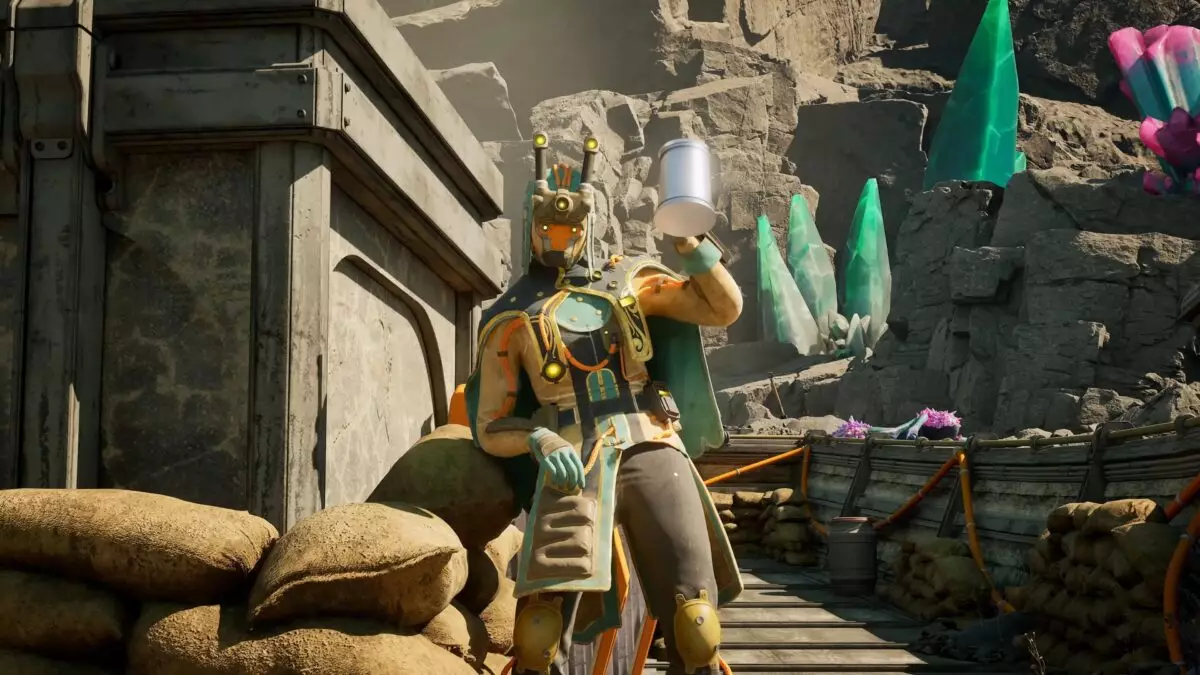
Despite its warm reception, The Outer Worlds fell short of reshaping the RPG genre in a seismic way. Fans anticipated it would challenge the dominance established by classics like Fallout: New Vegas, but it ultimately delivered a polished experience that, while enjoyable, didn’t revolutionize how role-playing games are perceived or played. This creates a unique paradox: how do developers leverage past success while also pushing boundaries? The promise of The Outer Worlds 2 suggests Obsidian is no longer content with minor iterative improvements. Instead, they aim to craft a sequel that delves deeper into complex RPG mechanics, signaling a confident return to their roots but with a fresh, ambitious perspective.
Learning from Industry Giants and Viewer Preferences
The shift toward more intricate systems in The Outer Worlds 2 seems partially inspired by the success of Baldur’s Gate 3—an accomplishment that has apparently recalibrated market expectations. Creative director Leonard Boyarsky emphasizes that the industry has moved from skepticism to acceptance regarding “crunchy,” mechanics-heavy RPGs. The success of Baldur’s Gate 3, along with titles like Kingdom Come Deliverance 2 and even Elden Ring, has demonstrated a clear appetite for immersive, system-driven experiences—even if they are daunting or complex.
This trend underscores a broader understanding: today’s gamers are hungry for depth and agency. Obsidian’s newfound confidence reflects a strategic shift, recognizing that gamers now value meaningful choices, diverse solutions, and profound character customization. Whether it’s designing a unique quest resolution or choosing specific skill paths, players increasingly expect their choices to have tangible consequences. The question now is whether The Outer Worlds 2 can deliver this depth convincingly without alienating its audience or slipping into the overly complex.
Embracing RPG Heritage with a Modern Twist
While the sequel is not strictly a traditional CRPG, it aspires to embody the genre’s core ethos—player choice, multiple solutions, and meaningful role-playing. Fans of Fallout: New Vegas might see echoes of the classic, in how narrative flexibility and character-driven gameplay are being prioritized. However, the challenge lies in balancing this depth with accessibility. Obsidian seems aware that their audience is evolving: they want a richer experience but not at the expense of fun or clarity.
A significant part of this confidence stems from the increased budget available via Microsoft. Larger budgets tend to translate into higher production values, more refined mechanics, and broader marketing reach, which can foster a perception of legitimacy and polish. Yet, it also places more pressure on the developers to innovate and meet higher expectations. Depth alone, without compelling storytelling and seamless gameplay, risks becoming a mere sentiment rather than an engaging experience.
Could This Be the Renaissance of Deep RPG Design?
Looking beyond just The Outer Worlds 2, there’s a palpable optimism that we’re witnessing a renaissance in role-playing experiences. Titles like Elden Ring, with their deep customization and challenging worlds, have shown that players crave immersive systems that reward experimentation. Meanwhile, games like Baldur’s Gate 3 have demonstrated that even complex mechanics can be approachable if executed well.
Obsidian is positioning The Outer Worlds 2 as a game that marries accessibility with complexity—a game that invites players to craft their own stories within a richly detailed universe. If successful, it could signal a paradigm shift: mainstream RPGs might pivot from spectacle to substance, emphasizing meaningful decisions, character agency, and systemic depth as core gameplay elements. For fans, this is not just an upgrade; it’s an essential evolution that might finally fulfill the long-held promise of truly interactive, customizable RPG worlds.
The true test lies in execution. Can Obsidian harness the momentum of industry trends while maintaining their signature style of storytelling and humor? Will the game provide enough innovation to stand out in a crowded marketplace of immersive experiences? If they succeed, The Outer Worlds 2 might become more than just a sequel; it could be a beacon guiding RPG design into a new era—one that champions depth, player agency, and narrative richness at every turn.
Leave a Reply