
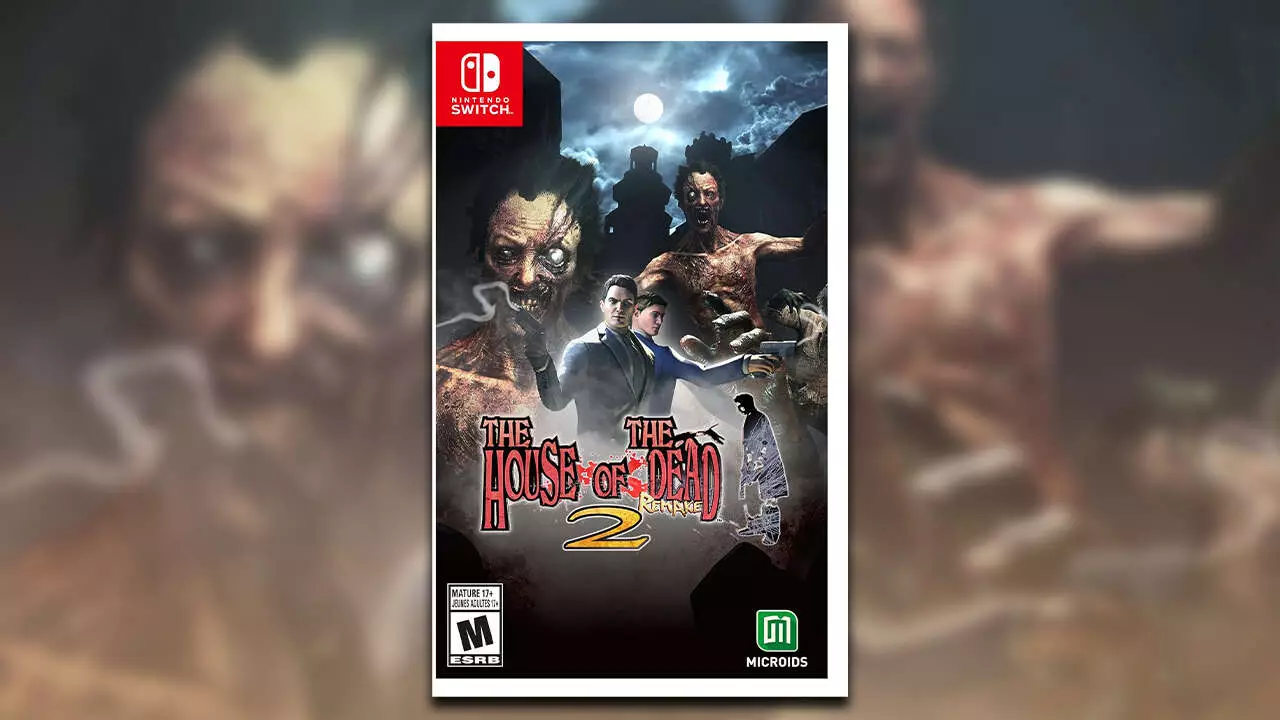
In an era dominated by instant downloads and streaming, the resurgence of physical game releases signals a desire to reconnect with gaming’s tangible roots. The upcoming release of *The House of the Dead 2: Remake* Limited Edition for Nintendo Switch exemplifies this movement. For $40, collectors and fans alike can purchase a physical copy that extends beyond the digital experience, offering exclusive bonuses such as a slipcase and stunning holographic cards. This approach underscores an important truth in gaming: physical media isn’t just about ownership, but about the sensory experience and emotional connection it brings. In a world where games are increasingly commodified and disposable, holding a physical copy fosters a sense of permanence and pride that digital downloads often lack.
The Allure of Collectibles and Limited Editions
Limited editions serve as a bridge between nostalgia and modern consumer desires. The inclusion of exclusive items, tailored packaging, and collectible extras elevates the gaming experience into something more personal and memorable. For dedicated fans of the *House of the Dead* series, these physical releases go beyond mere gameplay—they become keepsakes of a cherished franchise. Holographic cards, in particular, tap into the collector’s mentality, transforming a simple game purchase into a prized artifact. Such editions are strategic, creating a scarcity that fuels demand and enhances the perceived value of the game. This phenomenon reflects a broader trend in the industry, where limited runs maximize hype and incentivize early preorders, reinforcing the importance of physical media as a status symbol.
Remaking the Classics: Balancing Nostalgia and Innovation
The remake of *The House of the Dead 2* exemplifies how developers are keen to preserve classic gameplay while refining it for new audiences. The title maintains its core arcade shooting mechanics, offering both solo and co-op modes. Yet, modern updates—improved graphics, soundtrack options, and gameplay adjustments—ensure it remains fresh and engaging. This hybrid approach respects the original’s legacy while embracing technological advancements. It’s a delicate balancing act; too many changes risk alienating fans, but insufficient updates could render the game obsolete. The remake’s strategy demonstrates a respect for history intertwined with a commitment to innovation, proving that nostalgic titles can thrive in the modern landscape without sacrificing their essence.
The Value of Accessories and Immersive Experience
Enhancing the arcade feel through accessories like Joy-Con gun grips exemplifies how physical add-ons can deepen engagement. The *GamSurfing* and *FastSnail* gun grips are affordable investments that transform gameplay into a more tactile, immersive experience. These peripherals bridge the gap between the digital and physical realm, reigniting the thrill once only found in arcades. As games like *The House of the Dead* evolve, adding such accessories fosters a community of enthusiasts eager to relive the golden age of arcade shooters. The integration of these tactile tools underscores the importance of sensory engagement, proving that gaming remains as much about feeling as it is about playing.
In closing, the physical release of *The House of the Dead 2: Remake* demonstrates that, even in the digital age, there is an enduring appetite for tangible, collectible gaming artifacts. They embody a cultural resistance to the fleeting nature of digital content, emphasizing the importance of ownership, nostalgia, and sensory engagement. As developers and publishers continue to harness this appeal, it’s clear that physical editions aren’t just a retro indulgence—they’re a vital counterbalance to an increasingly intangible gaming world, offering players a meaningful connection to their favorite franchises.
Leave a Reply