
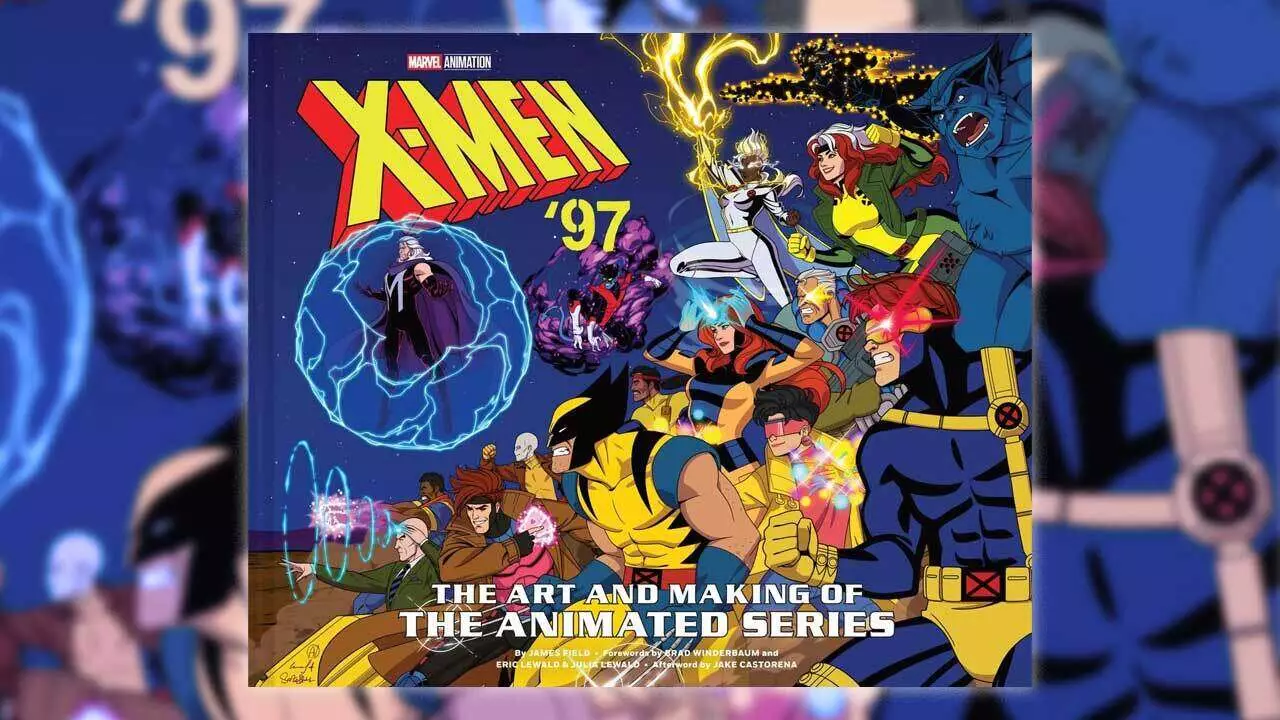
In an era dominated by rapid streaming and fleeting entertainment, the resurgence of art books dedicated to beloved animated series signals a renewed appreciation for the craftsmanship behind animation. The recent release of *X-Men ’97: The Art and Making of the Animated Series* exemplifies this trend, offering fans an intimate glimpse into the meticulous artistry that brought the iconic ’90s series back to life. Far from mere collectibles, these books serve as essential archives that deepen our understanding of animation as a craft, not just entertainment. The detailed inclusion of storyboards, concept sketches, and animation cels encapsulates the creative journey from raw idea to finished product, bridging the gap between producers and viewers with behind-the-scenes insights. It’s a celebration of artistry that rekindles nostalgia while also inspiring future generations of animators and storytellers.
Beyond Nostalgia: Art Books as Cultural Artifacts
The value of these publications transcends their immediate visual appeal; they function as cultural artifacts that preserve the artistry and decision-making processes of a bygone era. The *X-Men* series, both the current revival and the original run, exemplifies the cultural influence of animated adaptations in shaping perceptions of iconic characters and stories. The comprehensive edition penned by showrunners Eric and Julia Lewald offers unparalleled access to the creative milieu that birthed one of the most influential cartoons of the 1990s. By revealing character models, background layouts, and promotional materials, the books cast light on the complex layers of production technology and artistic vision involved in making these series resonate so deeply. They allow fans and scholars alike to analyze the evolution of style and storytelling, fostering a renewed appreciation for the layers of effort that underpin animated success.
Reviving Franchises in New, Meaningful Ways
The strategic reprinting of *X-Men: The Manga Remastered* complements these art books, bridging Western animation with Japanese manga—two distinct yet intersecting forms of visual storytelling. This carefully curated pairing enriches the franchise experience, inviting fans to approach the characters and narratives from new angles. The manga’s resurgence after a 25-year hiatus signifies more than marketing; it reflects a broader cultural nostalgia that marries different storytelling traditions, creating a multidimensional appreciation of the franchise. Similarly, the recently released *The Art of Marvel Studios’ What If…?* underscores how visual art books continue evolving as interpretive tools. By showcasing concept art and creator commentary, they transform passive viewing into an active exploration of alternative realities and creative possibilities, reaffirming the art book’s role as a vital extension of the storytelling process.
Why Art Books Matter in a Digital Age
While digital media often prioritize instant gratification, art books anchor fans in the tangible, tactile experience of collecting and studying artwork. They encourage a slower, more deliberate engagement with content—an antidote to the fleeting nature of online consumption. Whether it’s flipping through a 224-page volume or examining a rare storyboard frame, these publications create a physical connection to the creative process, fostering a deeper, more meaningful relationship with the series. As a fan or aspiring artist, owning and immersing oneself in these beautifully curated collections becomes an act of reverence, appreciation, and even inspiration. In a world where animations are increasingly crafted with digital precision and ephemeral content, such books serve as timeless repositories of artistic ingenuity, reminding us of the painstaking effort and heartfelt passion that bring animated worlds to life.
Leave a Reply