
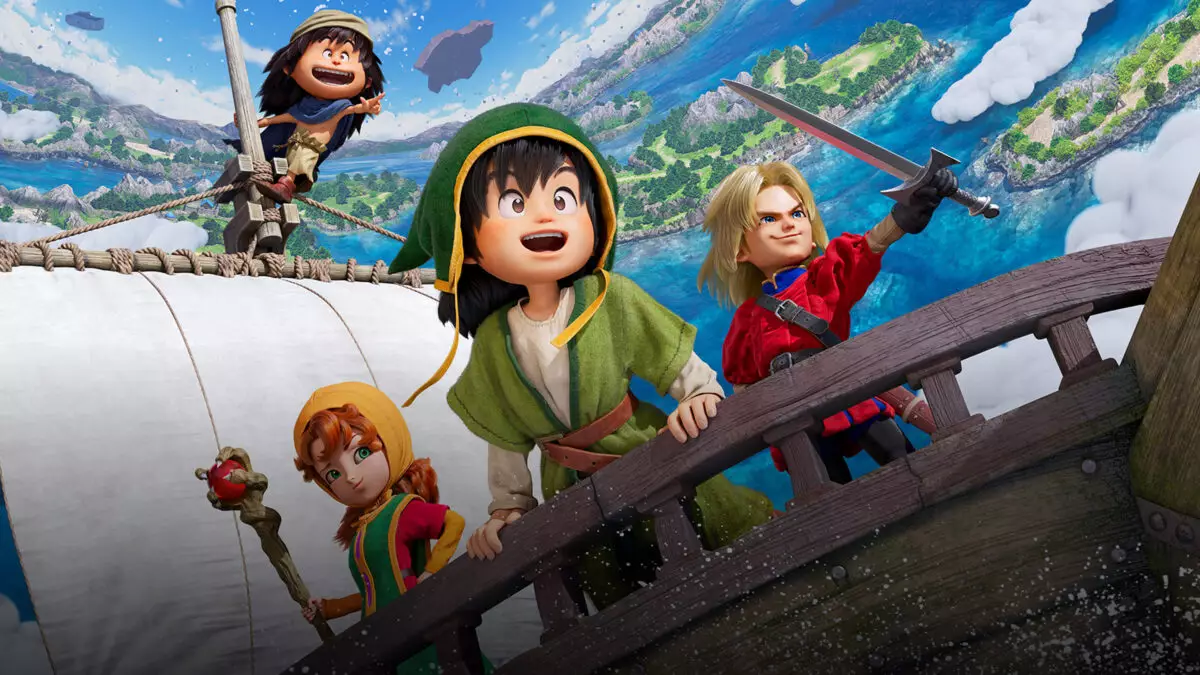
In recent years, the gaming industry has shown a marked tendency to revisit beloved classics, purely to rekindle nostalgia and tap into the loyal fanbases of the past. However, beneath the surface, this trend also serves a pragmatic purpose: it ensures these titles stay relevant in an evolving gaming landscape, appealing to new audiences while satisfying long-time devotees. The upcoming remake of Square Enix’s *Dragon Quest 7* exemplifies this approach, aiming to refine and modernize a game that once seemed daunting in scope. While these efforts often come with risk—risk of alienating purists or watering down rich stories—the carefully considered balance of old and new can yield a product that is both respectful to tradition and engaging for contemporary players.
Strategic Simplification: Addressing the Original’s Bloat
Originally released in 2000 on PlayStation, *Dragon Quest 7* was notorious for its sprawling narrative and massive runtime, often exceeding 100 hours if players explored every nook and cranny. Such length, combined with numerous side quests and tangential plots, made for an immersive experience but also a taxing one—particularly for newcomers or players unfamiliar with JRPG conventions. In the remake, Square Enix aims to streamline these elements, trimming redundant storylines and some subplots that did little to advance the core narrative. This tailoring reflects a clear understanding that contemporary audiences—and new players—prefer more focused, accessible gameplay that avoids exhaustion and burnout. By keeping essential story beats intact while removing filler, the remake promises a more digestible, yet still authentic, *Dragon Quest* experience.
Balancing Nostalgia with Innovation
This rebirth of *Dragon Quest 7* presents a direct test of whether a developer can honor the magic of a beloved classic without sacrificing modern sensibilities. The challenge lies in preserving the game’s original charm—its world-building, character design, and core story—while integrating quality-of-life improvements that cater to today’s gamers. If successful, the remake could serve as a blueprint for future reimaginings, signifying that respecting the past doesn’t mean stagnation. Instead, it involves thoughtful refinement—presenting a version that appeals equally to those who cherished the original and a new generation eager for fresh adventures.
Implications for the Franchise’s Future
The timing of this remake is particularly significant. With *Dragon Quest 12* still in development, an updated and more accessible *Dragon Quest 7* on multiple platforms could rekindle interest in the franchise’s expansive mythology. It signals a strategic move by Square Enix to solidify the *Dragon Quest* brand across generations—offering a bridge for old fans while enticing newcomers. If this approach proves successful, it may set a precedent for other classic titles, demonstrating that smart remakes can enhance legacy titles without eroding their intrinsic value. Ultimately, this trend might redefine how game developers treat their historic catalogs—favoring selective modernization over complete reinvention, ensuring these stories endure in a way that resonates today and beyond.
Leave a Reply