
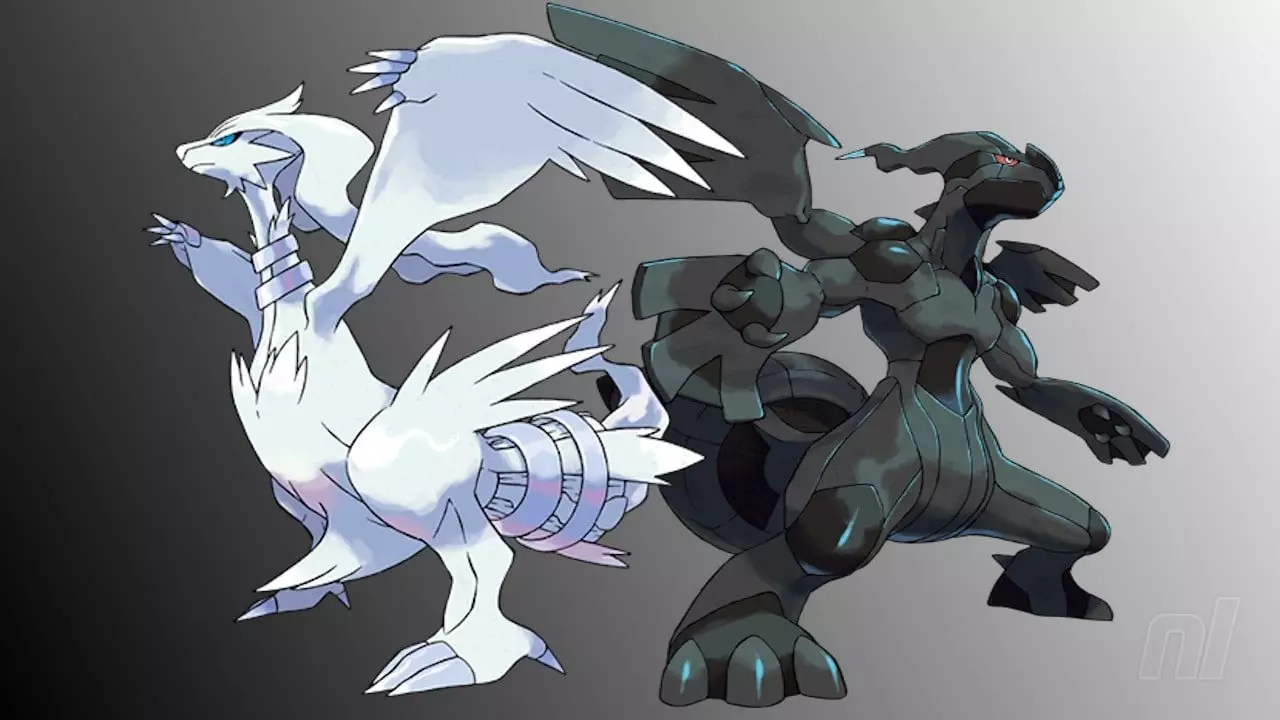
Fifteen years ago, Pokémon Black & White dramatically redefined what a Pokémon game could be by debuting a brand-new region inspired by the heart of America—Unova. Unlike previous entries that largely recycled aesthetic themes, the fifth-generation games introduced a bold new approach, emphasizing diversity in both gameplay and storytelling. The setting, modeled after New York City and other iconic American landmarks, provided a unique backdrop that felt vibrantly unfamiliar yet culturally familiar. This geographical shift was more than skin-deep; it signaled Pokémon’s willingness to evolve beyond its comfort zone, embracing urbanity and complexity.
The introduction of Unova challenged players’ expectations in a fundamental way. It was the first time that players couldn’t access their old Pokémon until they completed certain milestones or obtained the National Dex. This limitation was initially met with criticism, but it served as an intentional nudge—an invitation to explore entirely new Pokémon, strategies, and narratives without relying on nostalgia. The massive influx of 156 new creatures, the largest ever in the franchise’s history at the time, forced players to reinvent their teams from scratch, fostering creativity and adaptability. This change emphasizes a core theme of growth and renewal, echoing real-world evolution and fresh starts.
Design, Criticism, and Redemption: The Journey of Generation 5
At launch, Black & White were divisive. Many fans decried the limited Pokédex as a creative restriction, and some criticized the new Pokémon designs for seeming “object-based” or overly simplistic. The infamous Trubbish and Vanillite, for example, became symbols of the franchise’s shift toward more literal, object-like creature concepts. Critics argued that the games lacked the depth and polish of previous titles, with some lamenting the absence of features found in HeartGold & SoulSilver remakes.
However, this initial resistance has faded over time, and a nuanced appreciation has emerged. Modern perspectives see Black & White as a turning point—an experimental phase that pushed the franchise toward confronting its creative boundaries. The storytelling, anchored by characters like N—a complex villain whose motives provoked players to question morality—added psychological depth rarely seen in earlier games. This narrative richness helped elevate the games beyond mere creature collection, transforming them into thought-provoking tales about ideals, change, and self-discovery.
Moreover, the innovative sequel approach—avoiding the “third version” format in favor of Pokémon Black 2 & White 2—demonstrated a bold commitment to expanding Unova’s universe. These direct follow-ups expanded on the themes of change and consequence, proving that the region and its legends had more stories to tell.
Legacy and the Promise of a Remake
Generation 5 is finally being recognized for its sheer boldness and inventive spirit. Past criticisms are now seen as stepping stones toward a richer, more diversified Pokémon universe. Popular Pokémon like Zoroark, Chandelure, Krookodile, and Volcarona illustrate the creativity of the new roster, many of which have become fan favorites. The character of N has ascended to iconic status, with many fans hailing him as one of the franchise’s most compelling villains.
The discussion surrounding a possible remake of Black & White for the Nintendo Switch or Switch 2 has gained momentum. The Pokémon Company’s recent teasers, crossover appearances in Pokémon GO, and references in Legends: Arceus suggest a renewed interest in Unova’s story and Pokémon. Fans are eager to revisit the region with updated graphics, mechanics, and perhaps a deeper exploration of its themes. It’s a logical progression—after all, remakes of earlier generations have proven successful, and Unova’s rich setting cries out for modern reinterpretation.
As we look ahead to the upcoming years, the anticipation for a Black & White remake is intertwined with the hope that it will honor the innovation and boldness of the original. The desire isn’t merely nostalgic—it’s a yearning for the franchise to continue pushing boundaries, embracing creativity, and delivering new stories that inspire players to grow alongside their Pokémon journeys. Generation 5 may have faced initial skepticism, but it now stands as a testament to Pokémon’s capacity to reinvent itself—challenging both players and developers to think beyond the familiar.
Leave a Reply