
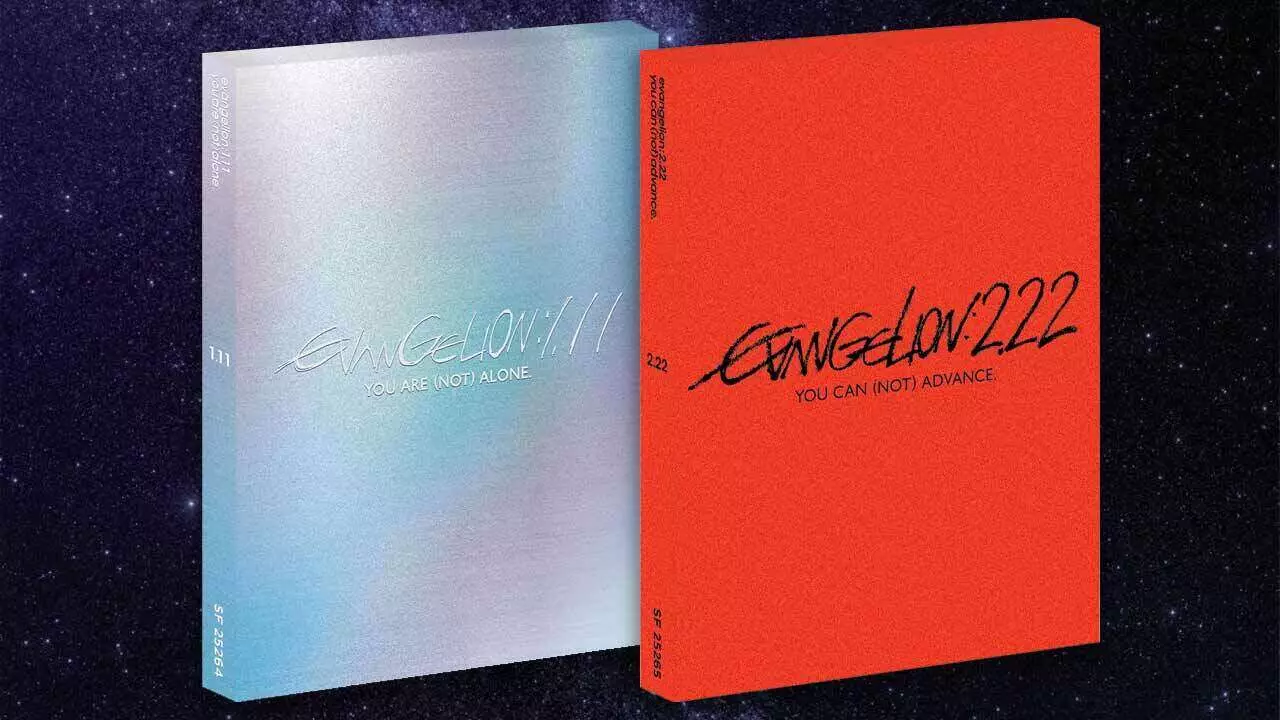
In recent years, the Neon Genesis Evangelion universe has demonstrated a remarkable resilience, not merely surviving but thriving through meticulously curated re-releases and collector-focused editions. The upcoming Blu-ray releases of the initial two Rebuild films mark more than just a nostalgic revival—they herald a new chapter in how fans around the world can re-engage with a franchise that redefined mecha anime and psychological storytelling. This resurgence underscores the timeless appeal of Evangelion, while also revealing the industry’s shifting priorities toward premium physical media and collectible packaging that cater to dedicated fans and collectors alike.
The decision to reissue Evangelion: 1.11 and 2.22 as Blu-ray editions indicates a recognition that physical media remains a treasured format amidst the digital streaming era. These editions, featuring lush slipcases and art booklets, serve a dual purpose: preserving a beloved series in high-definition quality and elevating its status as collectible artifacts. Pricing at $30 each positions these reprints as accessible yet premium, signaling an understanding that fans value both affordability and quality in physical editions. As a result, this revival meets the fans’ desire for tangible memorabilia that satisfies both nostalgia and aesthetic appreciation, ensuring Evangelion’s legacy remains vibrant.
Moreover, this strategic re-release hints at a larger trend within anime and pop culture—transforming reprints into exclusive collector’s items that command attention beyond mere viewing. It’s a clear signal that Evangelion is not just past its prime but is actively being positioned as enduring art. This approach not only preserves the anime’s cultural significance but also transforms it into an experience that fans want to hold, display, and cherish for generations.
High-Quality Collectors’ Editions Fueling the Enthusiast Market
The special editions, particularly the Steelbook of Evangelion: 3.0+1.11 and the collectors’ box sets, exemplify how re-releases are evolving into premium luxury items. The Steelbook, frequently priced just slightly above regular editions, appeals to collectors seeking stylish packaging and exclusivity. Meanwhile, the limited and collector’s editions including posters, art cards, and booklets elevate the series from simple media to art collectibles. These releases are tailored for fans who view Evangelion as more than entertainment—they see it as an investment in cultural artifacts.
Interestingly, the release of Evangelion: 3.0+1.11 in 4K Blu-ray as a limited collector’s edition underscores the importance of format quality in this revival. For enthusiasts, 4K isn’t just about resolution; it’s about experiencing the series with a level of fidelity that honors the meticulous animation work, especially considering the series’ reputation for innovative visual storytelling. Although the US market only offers the 4K Collector’s Edition at a lofty $80, the mere availability signals a shift in how anime properties are marketed—focusing on nuance, detail, and the premium fan experience.
This focus on high-end packaging and bonus content also points toward a broader trend: that physical media, when curated thoughtfully, can offer an immersive experience that digital alone cannot replicate. Collectors are increasingly drawn toward multi-disc sets, art books, and exclusive artwork—not simply as a way to watch but to engage with the franchise on an emotional and aesthetic level. Evangelion, with its complex themes and stunning visuals, lends itself perfectly to this trend. The importance of tangible, beautifully packaged mementos in cultivating loyalty and elevating the series’ cultural cachet cannot be overstated.
The Evolution of Evangelion and Its Expanding Universe
Beyond the immediate focus on reprints, it’s vital to acknowledge the broader context of Evangelion’s ongoing cultural relevance. The franchise’s transition from the classic 26-episode series to the Rebuild films reflects an evolution—not a replacement—of the story. These films, with their significant deviations and new characters like Mari Illustrious Makinami, serve as a testament to the franchise’s adaptability and its willingness to reinvent itself while respecting its roots.
The release of the final Rebuild film, Evangelion: 3.0+1.11, and its subsequent special collector’s editions, exemplifies how the franchise has finally solidified its legacy. The extensive bonus features, including promotional reels, trailers, and artbooks, cater to a dedicated audience eager to delve deeper into the creative process behind Evangelion’s latest iteration. Such editions ensure that viewers not only consume the story but actively participate in its ongoing mythos—additionally fueling a sense of community among collectors and fans.
Moreover, the design of these editions—ranging from standard slipcases to large-scale collector’s boxes—embodies how Evangelion has transitioned from merely an animated series to a cultural artifact. It’s an acknowledgment of the franchise’s profound influence, blending high-end packaging with the narrative’s philosophical themes. The collectible nature of these editions reinforces Evangelion’s position as an intellectual property that challenges as well as entertains, encouraging fans to explore its complex symbolism and layered storytelling.
The Power of Nostalgia and Strategic Market Positioning
Nostalgia remains a powerful force within the Evangelion fandom. The careful reissue of older titles—alongside new, shiny editions—taps into this emotional connection, making fans feel that their devotion is appreciated and rewarded. By curating editions with high-quality packaging, bonus materials, and artwork, the franchise transforms from something to simply watch into something to possess and cherish.
The strategic pricing and release timing also reflect an acute awareness of market trends. In an era where streaming dominates, releasing physical editions—especially ones as lavish as the collector’s box sets—serves a dual purpose: catering to the hardcore fanbase and positioning Evangelion as a premium, almost nostalgic product worth collecting. This approach aligns with the broader industry trend of embracing collector’s editions as a core revenue stream, rather than devoting all focus to digital platforms.
Furthermore, Evangelion’s continued popularity underscores its cultural significance—an icon that resonates across generations. Its themes of existential dread, human connection, and technological anxiety remain surprisingly relevant today. As remastered, reprinted, and reintroduced editions hit shelves, they serve as both a gateway and a monument—reaffirming Evangelion’s place in the pantheon of iconic anime and graphic storytelling.
In focusing on these premium offerings, the franchise not only preserves its legacy but also crafts a narrative of enduring relevance, positioning itself as a timeless masterpiece that benefits from the collectors’ market’s sophistication. It’s a testament to how a complex series, once confined to the ’90s, can adapt and thrive through modern packaging that celebrates its artistic and thematic depth—driving a new generation of fans to rediscover, or perhaps first discover, the profound saga of Evangelion.
Leave a Reply