
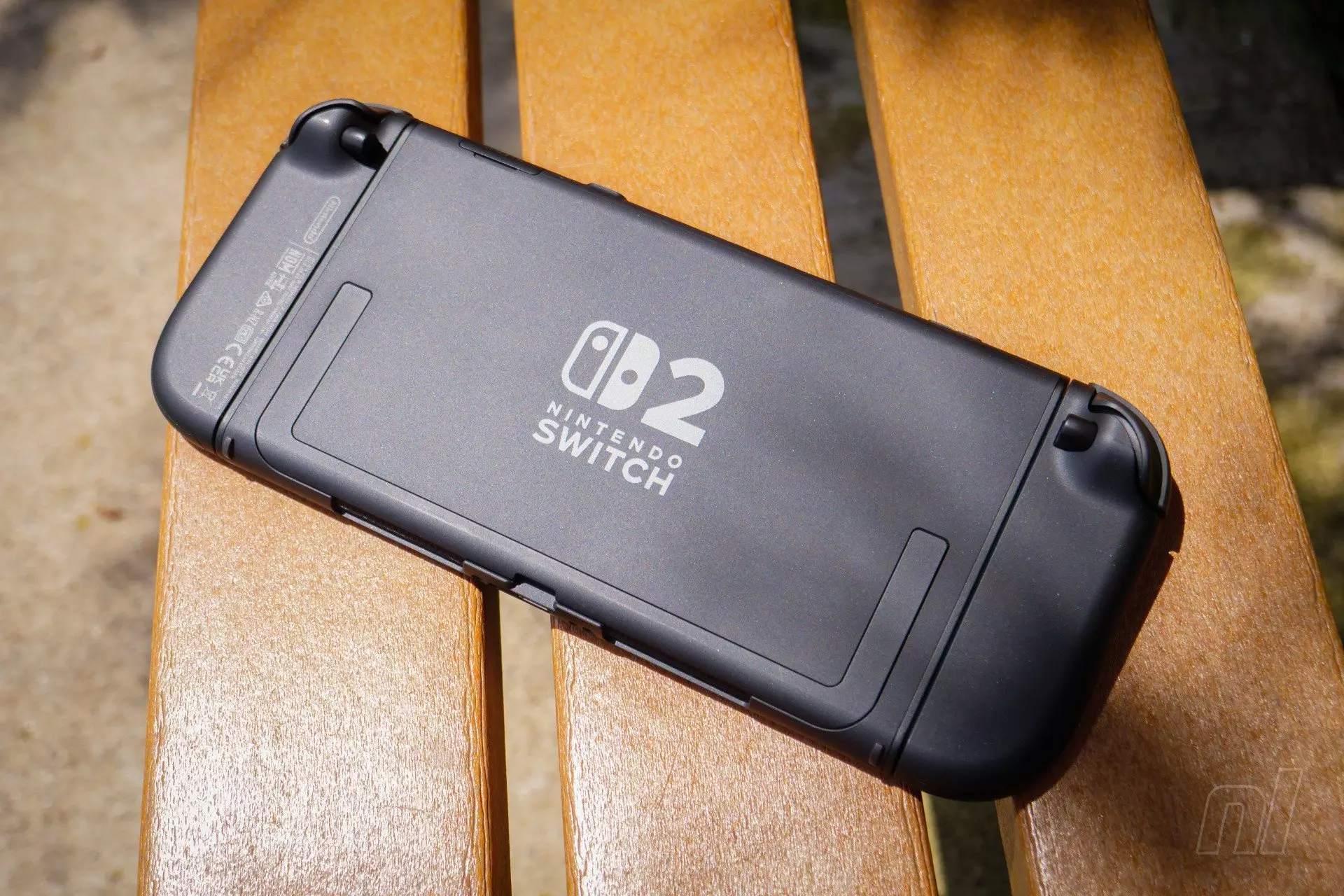
In the wake of the release of the highly anticipated Nintendo Switch 2, a shadow of tension now looms over the secondary market for games and consoles. Nintendo, determined to safeguard its intellectual property and uphold the integrity of its gaming environment, has adopted aggressive measures that target not only piracy but also the usage of legitimate games through unconventional means. This new crackdown manifests as a console ban — a stark warning that the company’s commitment to secure gaming may come at the expense of innocent consumers caught in the crossfire. Such restrictions reveal a shift from traditional anti-piracy strategies to a more invasive approach that scrutinizes hardware activity in unprecedented ways.
The core concern lies in Nintendo’s ability to detect irregularities tied to game cartridges, especially secondhand or previously modified ones. When a secondhand Switch 2 owner attempts to use a game purchased legally or even owned legitimately in the past, their console may mysteriously become unresponsive or permanently banned from online services. Even owning a seemingly pristine, original cartridge can backfire if the previous owner hacked or altered it, disseminating modified game data onto other devices. This raises critical questions about consumer rights, secondhand markets, and the company’s thirst for control. Players are now forced to second-guess their purchases, wary of unknowingly becoming collateral damage in Nintendo’s war against illicit copying.
This aggressive stance is further highlighted when examining recent cases shared online. A Reddit user, known pseudonymously as dmathey, detailed how they bought a set of Switch 1 games from a marketplace platform only to be met with a sudden ban upon installing and updating those titles on their new Switch 2. Nintendo’s system appeared to track the unique identifiers tied to those cartridges, linking them to reports of illegal activity or unauthorized software modifications. The result was an instant access denial, with error codes shutting down any hope of online engagement until the ban was lifted through a manual process involving customer service.
While Nintendo responded swiftly by restoring service after the user provided purchase evidence and a detailed chat history, this short-lived victory illuminates the potential inconvenience and anxiety faced by genuine consumers. It also underscores a troubling trend: that digital and hardware security measures may be compromising the typical user experience, especially for those unaware of previous ownership histories of secondhand games or consoles. Nintendo’s escalation of these measures reflects a firm stance against piracy, but it also risks alienating the very community that sustains its ecosystem.
Perhaps most concerning is the broader implication of Nintendo’s policy shift. As their detection algorithms become more sophisticated, casual users—those buying used games or secondhand consoles—may unwittingly find themselves ensnared in bans that are difficult and costly to resolve. The solution, at least for now, involves meticulous record-keeping, such as screenshotting listings and saving communication logs, to verify ownership and avoid false accusations. However, this bandaid approach doesn’t address the underlying tension: a growing desire for security clashing with the unintentional hardships placed on honest consumers.
Nintendo’s stance reveals an industry-wide paradigm where control, rather than consumer friendliness, is prioritized. While protecting intellectual property is undeniably crucial, the methods used—particularly those that undermine user trust and complicate legitimate transactions—may ultimately damage the brand’s reputation more than they safeguard it. As Nintendo tightens its grip, players are left to navigate a landscape fraught with risk and uncertainty, questioning whether the pursuit of security is worth the erosion of fair and accessible gaming practices.
Leave a Reply