
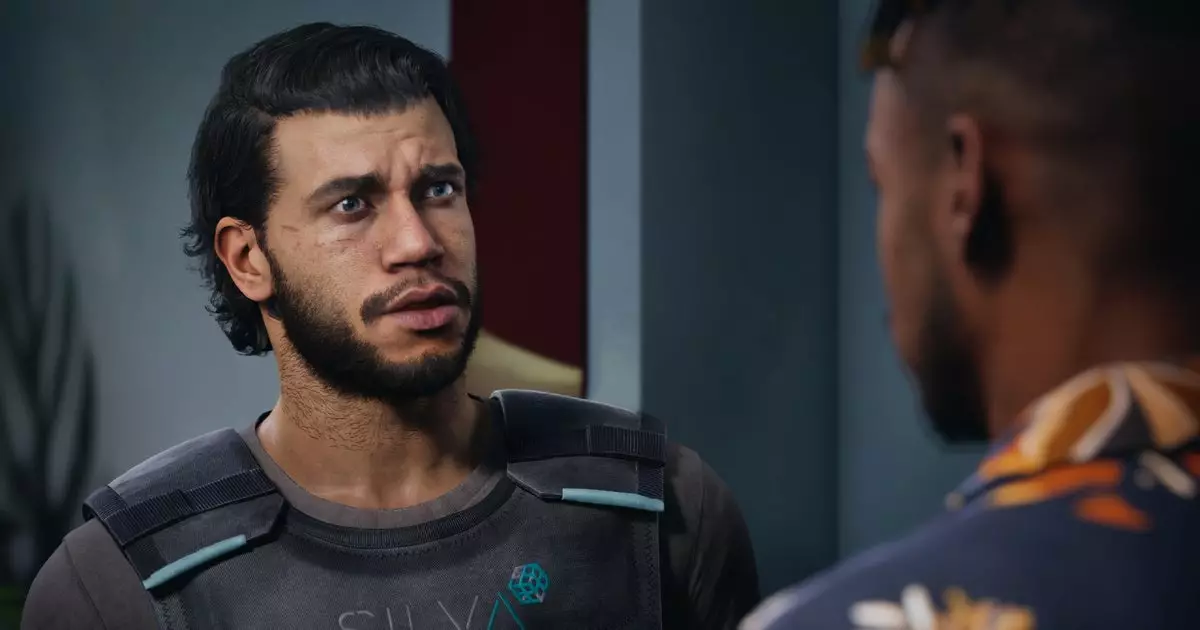
When MindsEye launched, the gaming community was abuzz with excitement and curiosity. The game, developed by Build A Rocket Boy, presented a captivating concept that piqued interest across diverse platforms. However, the initial enthusiasm quickly turned into a whirlwind of controversy when whispers of foul play began circulating on social media. Some community members accused the game’s developers of using bots to inflate positive feedback and drown out negative commentary, a bold claim that would put the integrity of the release in jeopardy.
Discord Comments Ignite Debate
The controversy escalated after the release, particularly due to comments made by one of the executives behind MindsEye on Discord. These statements claimed that negative reviews were being fabricated by bots acting in bad faith. The friction intensified, with influential gaming journalists, such as Mike Channell and Kirk McKeand, weighing in on the matter, pointing out similarities in language and sentiment across various online posts praising MindsEye. The intrigue surrounding these remarks hinted at a deeper issue—could it be possible that the praise for MindsEye was not entirely organic?
Build A Rocket Boy Strikes Back
In a rather proactive move, Build A Rocket Boy took to Twitter to defend its reputation and dismiss claims of bot usage vehemently. “BARB has never used any bots nor will we,” they proclaimed, exuding an air of defiant optimism. The hashtag #NoBots followed, a tactical decision that aimed to clarify their stance while encouraging community engagement. At first glance, the response felt straightforward; however, in a world where social media can twist narratives at lightning speed, such declarations often open Pandora’s box of speculation.
Analyzing the Posts: Authenticity or Automation?
Conducting a deeper dive into the discourse on social media is crucial. As an observer drawn to the eccentricities of online interactions, I reviewed several posts highlighted by the journalists. It was apparent that certain comments professing enthusiasm for MindsEye mirrored each other in uncanny ways. Many users described the game as giving them “goosebumps”—a phrase so uniquely evocative yet disconcertingly ubiquitous that it raised eyebrows. Compounding this, a handful of accounts appeared to exist solely to promote MindsEye, showcasing eerily similar posts almost as if they were reading from a scripted playbook.
While I was initially skeptical, my analytical approach led me to consider a less conspiratorial angle. The phenomenon could simply represent the rampant engagement farming that has become the norm across various online platforms. Users, eager to share their excitement, sometimes end up echoing others, resulting in a tapestry of seemingly coordinated enthusiasm. Nonetheless, the possibility of astroturfing—disguised marketing tactics that manufacture grassroots support—lingers ominously in the background.
Public Response and Community Dynamics
As the Twitter thread continued to unfurl, the gaming community collectively scrutinized these sentiments, echoing skepticism and support in equal measure. Discussions around anonymity and authenticity in social media quickly gained momentum, creating a rich tableau of divergent opinions. Some players staunchly defended Build A Rocket Boy while others remained vigilant, voicing concerns over the impact of social bots on their beloved gaming industry.
Community interactions exemplified a critical democratic process within the gaming sphere, highlighting how players want to ensure transparency and authenticity from developers. This sentiment may have stemmed from a broader cultural awareness regarding narrative manipulation through artificial engagement, prompting gamers to demand more honesty in communications from corporations.
The Broader Implications for Gaming
Ultimately, the MindsEye fiasco serves as a microcosm for larger tensions within the gaming industry, revolving around transparency, integrity, and player trust. As the landscape continues to evolve, developers must navigate this treacherous terrain carefully, balancing innovative marketing strategies with ethical considerations. The engagement-driven model, though effective, can easily veer into dubious territory if not handled with care.
Ultimately, this controversy highlights a pressing need for genuine connections between developers and players—something that transcends mere bots and algorithms. If the industry is to progress, it will be essential for game makers to foster authentic communication, transforming marketing practices that respect both the game and its players.
Leave a Reply