
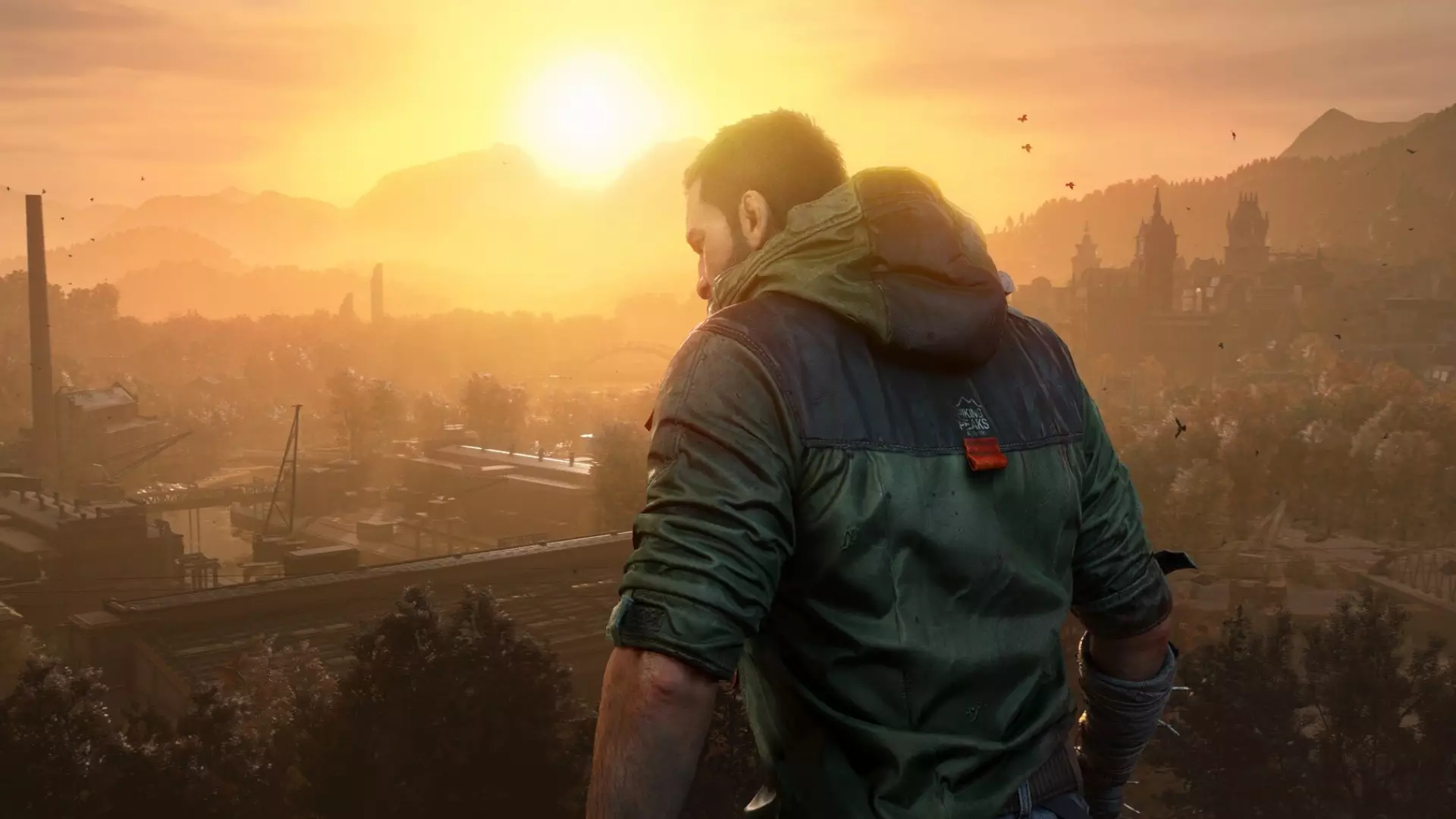
The gaming industry continues to evolve at a breathtaking pace, and developers often find themselves facing immense pressure to innovate while maintaining the sacred elements that resonate with fans. For Techland, the creators of the acclaimed Dying Light series, this balancing act becomes a delicate dance of ambition and restraint. Tymon Smektala, the franchise director, emphasizes the importance of identifying “areas of perfection” that must remain untarnished for their games to connect meaningfully with players. Such insights not only illustrate Techland’s commitment to quality but also highlight a philosophy that speaks to the broader challenges of game development.
Core Elements That Define Dying Light
In his insightful dialogue with GamesRadar+, Smektala reveals a key tenet at the heart of Dying Light: the need to focus on specific game mechanics that have become synonymous with the franchise—an emphasis on parkour and melee combat. These key features provide a distinctive flavor that sets Dying Light apart in a crowded marketplace overflowing with generic zombie titles. Smektala’s claim that parkour and combat are foundational underscores Techland’s dedication to refining these elements, suggesting that the studio understands that their success hinges not just on variety, but on honing the uniqueness of their gameplay.
The intricacies of combat mechanics extend beyond just flashy attacks or acrobatic maneuvers; Smektala notes the careful tweaking of how zombies react to different weapons. This level of detail signifies an understanding that immersion hinges on the realism and responsiveness of the world, drawing players deeper into the experience. To overlook these components would risk diluting the magic that fans have come to cherish.
The Central Role of Character Development
Yet, the conversation meanders to an even deeper truth: the portrayal of the main character emerges as a linchpin in creating a lasting connection with players. Smektala stresses that mishandling character development could alienate fans, presenting a scenario where developers must navigate the fine line between narrative ambition and maintaining a trusted player experience. This perspective is profound; it suggests that no amount of robust gameplay can substitute for a relatable, well-crafted protagonist.
A game is not merely a collection of well-designed mechanics; it thrives on storytelling and emotional bonds. Consequently, Techland’s commitment to character portrayal reflects a heartfelt acknowledgment of this relationship.
A Blueprint for Success in Game Design
The wealth of experience gained from the previous games in the Dying Light series reinforces Techland’s awareness regarding what elements are pivotal to their identity as developers. The studio’s ability to pinpoint and cultivate its core gameplay pillars over a decade speaks volumes about their pragmatic approach to game design.
While the gaming industry can often be a chaotic rush towards the next big innovation, Techland’s philosophy promotes a refreshing call to arms for developers everywhere: recognize the elements that make your game unique, and commit to perfecting them. As the gaming landscape grows increasingly competitive, such insights from industry leaders like Smektala can serve as guiding principles for those striving to create resonant and memorable gaming experiences.
Leave a Reply