
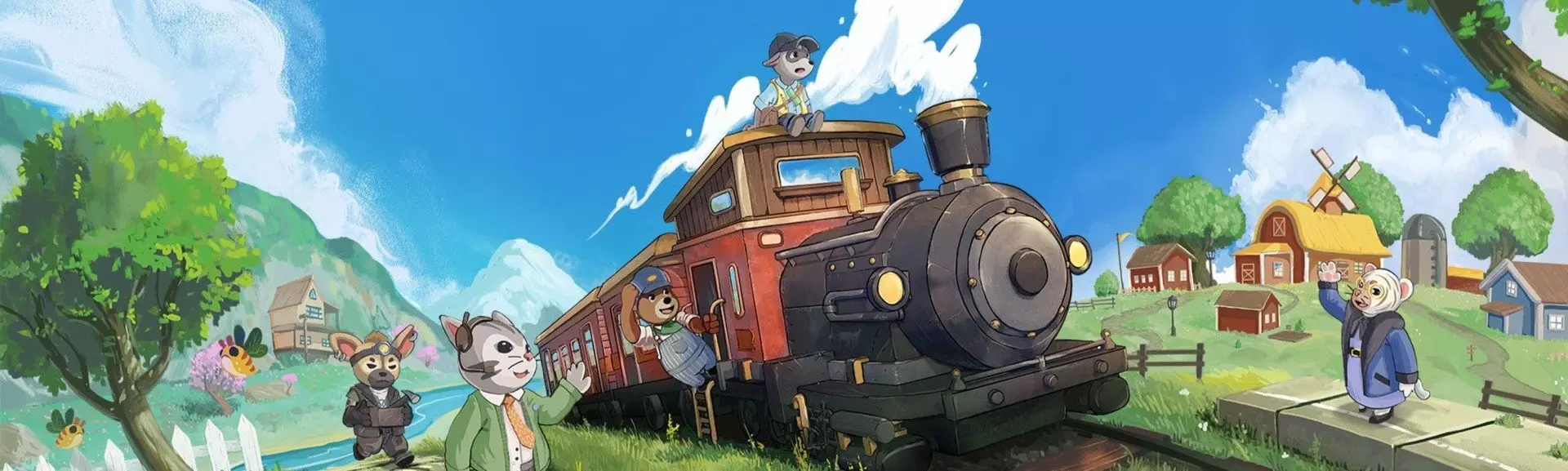
As the gaming world buzzed with fervor over the release of expansive titles for the latest consoles, I found solace in the serene world of Locomoto. In a landscape dominated by high-stakes action and frenetic competition, the prospect of a slower-paced adventure offered a much-needed respite. From the moment I stepped into the role of a train conductor, tasked with navigating picturesque landscapes dotted with whimsical, anthropomorphic characters, I was captivated. The initial experience mirrored the comforts we often seek in our favorite cozy games, inviting players into a thoughtful, community-centric narrative that seemed almost reminiscent of Animal Crossing—except with trains instead of villagers.
In those early hours, it was easy to become immersed. Helping neighbors with their myriad dilemmas, ferrying them across the enchanting countryside, and engaging in small talk were enjoyable distractions amid a chaotic gaming season. The gameplay loop, which involved performing small quests and collecting tokens to craft beautiful furniture for my train, blended beautifully with the game’s cozy aesthetics. Designing my train and customizing my avatar—a vibrant red panda named Ruby—added a deeply personal layer that kept me coming back for more. It wasn’t just about playing; it was about expressing myself in a bright, pastel world that felt like a warm hug.
The Shift from Relaxation to Monotony
However, as I dove deeper into Locomoto, the sheen began to fade. The repetitiveness of the tasks became glaringly evident; every journey, no matter how whimsically presented, ultimately boiled down to a series of fetch quests. The charm that initially enveloped me started to wear thin as I found myself slogging through a cycle of identical trips and monotonous objectives. Where I once reveled in the slow-paced enjoyment, I started to feel a creeping exhaustion. What was supposed to be a sanctuary transformed into a grind—as my train journeys turned into mind-numbing rituals.
Marking destinations only to watch my character trudge along devoid of new significance left me longing for a spark of creativity or a fresh challenge. It grew increasingly difficult to savor the sights and stories when each quest felt like a mere checkbox. I questioned whether this vast landscape, steeped in potential adventure, was effectively utilized. The heart of much of this game lies in its world-building, yet the repetitiveness served as a tether that impeded its growth.
Aesthetics and Performance: A Mixed Bag
Visually, Locomoto is undeniably charming, boasting a delightful pastel color palette that could melt the iciest of hearts. However, despite its aesthetic appeal, my experience on the Nintendo Switch was marred by performance issues that led to moments of frustration. Frame drops under certain conditions robbed the landscape of its beauty, turning vibrant scenes into stuttering visuals. Not to mention the sporadic visual bugs that snapped me out of immersion, such as characters levitating absurdly or items appearing where they should not.
In an age where technical performance can make or break a gaming experience, it’s difficult not to recommend seeking out Locomoto on the higher-performing Switch 2 if available. It fundamentally alters the experience, providing a smoother, more visually pleasing journey that the game truly deserves.
A Game of ‘Vibes’ That Leaves You Wishing for More
Ultimately, Locomoto leans hard into the idea of “vibes.” It offers a slice of tranquility and charm that could captivate the hearts of players in search of a cozy escape. Yet, the undercurrent of exhaustion stemming from its repetitive gameplay raises pertinent questions about long-term engagement. For all its delightful characters and inviting aesthetics, it ultimately lacked the depth and variety necessary to sustain interest beyond a fleeting moment of calm.
While I can appreciate its intentions to provide a nurturing gaming experience, I was left yearning for additional layers of gameplay that could elevate Locomoto from its exhausting repetition to a truly comforting journey. There’s a fine line between serene and stagnant, and in some aspects, the game inadvertently stumbled into the latter. If you seek a warm, unhurried adventure, Locomoto can certainly fulfill that desire, but be prepared to navigate a landscape that may become tiresome as you endeavor to explore its depths.
Leave a Reply