
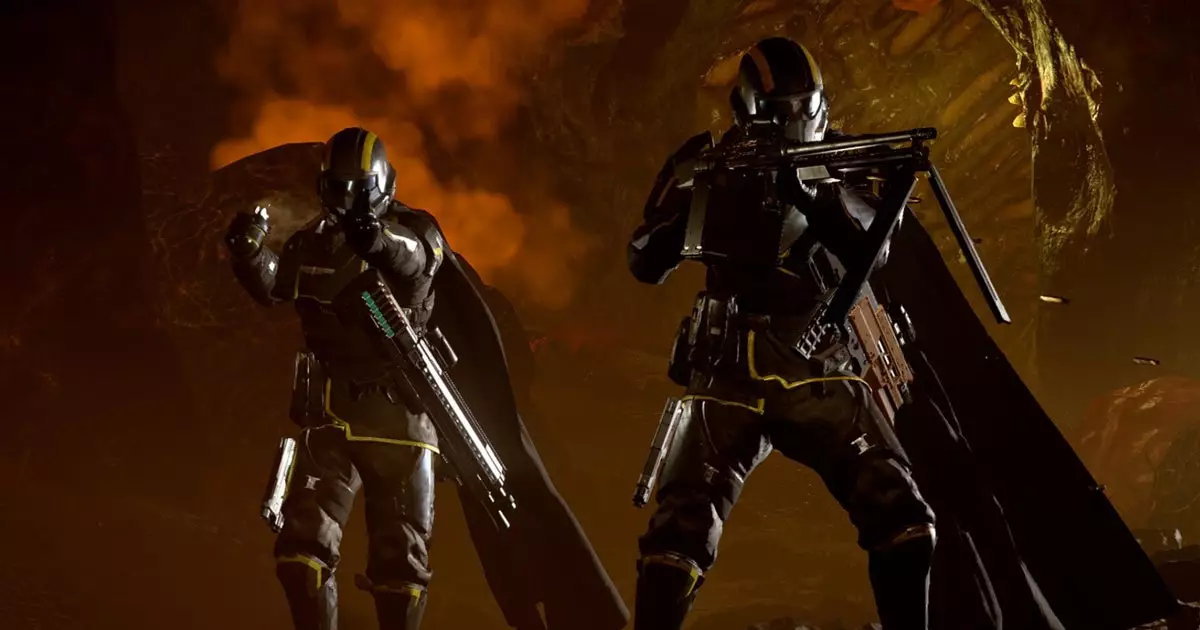
In the ever-evolving landscape of video game development, maintaining a balanced and engaging experience is paramount. Arrowhead’s recent decision to temporarily remove the Rupture Strain enemies from Helldivers 2 exemplifies a bold but necessary step toward preserving player satisfaction. Instead of doubling down or rushing out patches that could introduce more problems, the studio has opted for a temporary hiatus of a problematic enemy faction. This move underscores a nuanced understanding that sometimes, giving developers breathing room to refine and re-balance content outweighs rushing to fix issues prematurely.
By taking the Rupture Strain offline for five weeks, Arrowhead acknowledges that the enemies’ current overpowered mechanics, particularly their instant-murder attacks, undermine the core gameplay experience. This pause not only prevents players from experiencing frustration or unfair death spirals but also signals the studio’s commitment to quality over expediency. Such a strategic retreat indicates a mature development philosophy: conceding temporarily to improve long-term engagement and trust.
Proactive Problem-Solving Versus Reactive Patching
What makes Arrowhead’s decision compelling is their comprehensive approach to problem resolution. Instead of patching the enemies in a rushed manner, the developers are opting for an extended hiatus, allowing them to thoroughly re-examine the mechanics governing the Rupture Warriors. Community manager Katherine ‘Baskinator’ Baskin’s communication reflects transparency and a responsible attitude towards player concerns, emphasizing that the fix is rooted in fixing a deeper imbalance rather than a quick cosmetic update.
This move also speaks volumes about contemporary game development ethos. In a climate where studios often release hurried patches to appease the immediate player base, Arrowhead’s choice to temporarily disable content shows a willingness to prioritize stability and fairness. It demonstrates that sometimes, the most effective form of problem-solving involves removing the problematic elements altogether until they are fully understood, tested, and fine-tuned. Players may feel frustration now, but such patience fosters long-term loyalty and respect.
Learning Through Challenges and Transparency
The issues that arose following the launch of “Into the Unjust” reveal a harsh reality: complex multiplayer environments can introduce unforeseen vulnerabilities. The debugging process uncovers bugs and imbalance that weren’t apparent during development. Arrowhead’s quick acknowledgment of technical hurdles, particularly network-related issues causing the Rupture Warriors’ aggressive behavior, demonstrates a responsible and transparent development process. Their acknowledgment of the setbacks and admission that some fixes inadvertently made gameplay more unfair is refreshing.
However, it also raises questions about the studio’s preparedness. Given the scale of the issues, including bugs and imbalance, one might argue that more thorough testing prior to launch could have mitigated such problems. Yet, the dynamic nature of live service games and multiplayer balance is inherently unpredictable. The key insight here is that developers need to remain adaptable, and Arrowhead’s willingness to pull content offline reflects this adaptability. They understand that a patch isn’t just about fixing bugs but about safeguarding player trust and enjoyment.
Balancing Innovation with Player Satisfaction
At the heart of Arrowhead’s approach lies a core dilemma: how to innovate and introduce new content while ensuring that such additions do not compromise the game’s integrity. The “Into the Unjust” update was meant to expand gameplay horizons, but the fallout from its launch highlights how even well-intentioned updates can backfire if not properly balanced. Instead of stubbornly pushing forward, the development team recognizes the importance of patience and incremental improvements.
This episode serves as a lesson for the broader industry: letting players see that developers are committed to a polished, fair, and enjoyable experience builds credibility. The decision to pull the Rupture Strain back serves as a testament to the studio’s dedication to quality standards. It’s a recognition that sometimes, stepping back temporarily is the best way to move forward more confidently and sustainably. The hope is that once these enemies return, they’ll do so in a manner that enriches rather than frustrates the gameplay experience.
Arrowhead’s handling of Helldivers 2’s recent challenges exemplifies a responsible, mature approach to ongoing content development. Their willingness to admit fault, communicate transparently, and prioritize a balanced experience over quick fixes reflects a modern philosophy centered on durability and player trust. While some players might initially be disappointed at the delay, this decision ultimately fosters a more stable and enjoyable game environment. Moving forward, it’s a reminder that quality, transparency, and strategic patience are key ingredients in cultivating a resilient and beloved gaming community.
Leave a Reply