
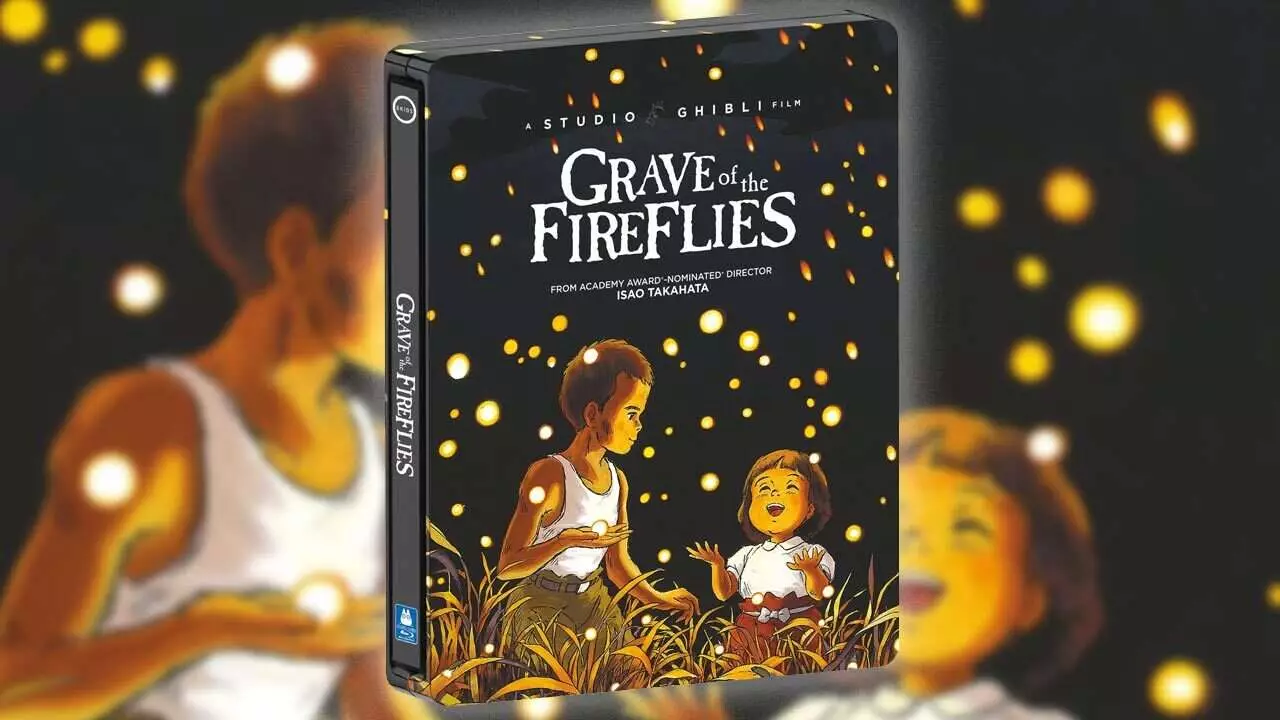
In an era where animated films often lean toward escapism or visual spectacle, “Grave of the Fireflies” emerges as a piercing reminder of the emotional potency achievable through honest storytelling. Unlike many Ghibli works that enchant with whimsy and fantasy, this 1988 film dares to confront raw human suffering during wartime. Its inclusion in recent steelbook editions is more than a mere collector’s item; it’s a testament to its enduring relevance and emotional force.
The film’s unflinching portrayal of devastation, loss, and human resilience compels viewers to confront uncomfortable truths. It’s an essential viewing experience for those willing to engage deeply with the horrors of war and the fragility of innocence. The movie’s success lies in its unvarnished honesty—a trait that separates it from the more idealized narratives often associated with animation. Because of this uncompromising approach, “Grave of the Fireflies” remains timeless, not only within the realm of animation but also in the broader landscape of human storytelling.
Distinguishing Artistic Integrity from Commercial Exploitation
The recent surge in affordable Steelbook editions at marketplaces like Amazon highlights a broader cultural shift: recognizing the value of emotionally charged stories. However, there’s a fine line between appreciating a film as art and commodifying its trauma for profit. Studio Ghibli’s catalog includes works that are playful and visually stunning, but “Grave of the Fireflies” calls for a special reverence due to its serious subject matter.
The limited availability of the original 2012 Steelbook and subsequent remasters demonstrates how these editions have become collector’s treasures, reserved for fans who appreciate both the film’s artistic merit and its profound messages. The inclusion of bonus materials such as storyboard analyses, director interviews, and insights from critics like Roger Ebert serve to deepen understanding, not just offer a shiny package. It’s crucial to approach these editions as an opportunity for reflection rather than mere acquisition, ensuring that the film’s weight resonates rather than diminishes in commercial volume.
Rethinking Audience Appropriateness and Cultural Impact
A common misconception about animated films from studios like Ghibli is that they’re inherently suitable for all ages. While many of their stories evoke wonder and nostalgia, “Grave of the Fireflies” defies this expectation with its PG-13 rating—an indication of its intense, often harrowing content. It grapples with themes such as starvation, death, and the devastating effects of war, pressing viewers to reconsider the boundaries of age-appropriate viewing.
This film’s cultural significance extends beyond Japan, resonating worldwide as an uncompromising testament to the horrors of conflict. It pushes the envelope in animated storytelling, challenging the notion that such films are solely for children or family entertainment. Instead, it positions animation as a legitimate medium for complex, emotionally charged narratives capable of sparking meaningful dialogue about humanity’s darkest moments.
Beyond the Frame: Appreciating An Artistic and Cultural Narrative
“Grave of the Fireflies” is not merely a story about war victims; it’s an artistic reflection on the enduring human spirit amidst unimaginable suffering. Every frame, every scene, is crafted with an artistry that emphasizes the harsh realities of its characters’ lives. The film’s subtle use of color, haunting imagery, and poignant soundtrack work together to create an immersive experience that transcends traditional animation.
By revisiting these editions, collectors and new viewers alike are invited to immerse themselves in a narrative that transcends cultural boundaries. The film’s roots in real survivor accounts lend it authenticity and weight, transforming its emotional impact into a collective cultural memory. It’s a stark, powerful reminder of how art can function as a mirror—both reflecting and shaping societal perspectives on war, suffering, and resilience.
The Ethical Responsibility of Engaging with Difficult Content
Watching “Grave of the Fireflies” calls for a degree of ethical reflection. Its brutal honesty might evoke intense emotional responses, including grief and discomfort. Viewers should approach it with awareness of its subject matter, recognizing that its purpose is not merely to entertain but to educate and challenge perceptions.
As the film continues to find new audiences through upgraded editions and comprehensive collector’s sets, it’s vital to acknowledge the importance of respecting its narrative gravity. Viewing it as a piece of cultural and historical documentation rather than just cinema elevates its significance, opening space for meaningful conversations about war, innocence lost, and the importance of empathy in storytelling.
—
“Grave of the Fireflies” stands as a testament to what animation can achieve when driven by truth and emotional depth. Its recent reissue in alluring steelbook editions underscores our collective recognition of its importance. More than a film—it’s a powerful lesson that calls us to remember, reflect, and confront uncomfortable truths with honesty and compassion.
Leave a Reply