
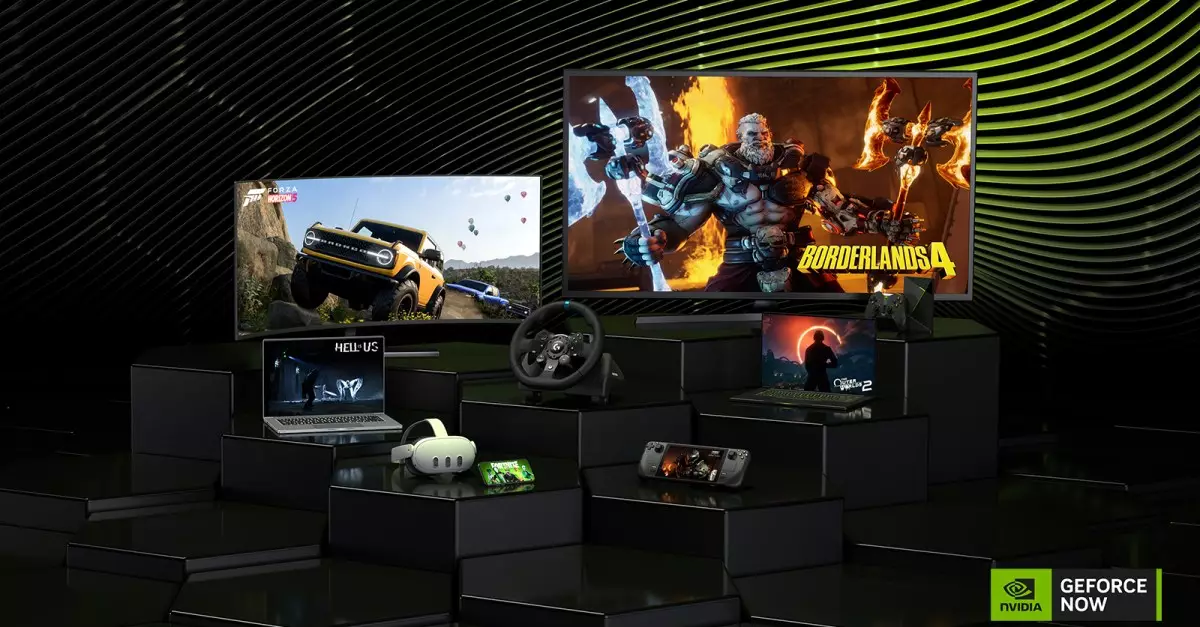
The gaming industry stands at the cusp of a transformative leap, moving toward an era where trying before buying becomes seamless and universal. Recent collaborations among industry giants like Nvidia, Discord, and Epic Games signal a bold step in this direction. Instead of the traditional lengthy downloads or cumbersome trial periods, players will soon experience the thrill of immediate gameplay, directly through their platforms. This isn’t just a technological innovation; it’s a cultural shift that challenges longstanding norms about game demos and consumer engagement. The notion of being able to jump into a game with a simple click redefines how players evaluate titles and how publishers market their products. It signals a future where hesitation and uncertainty give way to instant gratification and informed decisions.
The Vision versus Reality
Historically, the dream of try-before-you-buy was enshrined in pioneering cloud services like Gaikai, which envisioned instant demos running seamlessly in browsers. Google’s Stadia attempted the same, offering snippets of gameplay directly accessible via search or web interfaces. Yet, despite these efforts, widespread adoption remained elusive. The core issue wasn’t just technological feasibility but also publisher hesitance. Publishers often view demos as potential gateways to piracy or lost sales, leading to cautious deployment. Nvidia’s current initiative, exemplified by streaming Fortnite through Discord, is promising but still in its infancy. Users need accounts, and demos are limited in scope—30 minutes in the case of Nvidia’s trial. While these are promising signs, the execution will determine whether this vision becomes a standard feature or remains a niche experiment.
The Challenges and Competitive Landscape
One must question whether the industry’s reluctance stems from technological hurdles or deep-seated skepticism. The previous failed attempts by giants like Sony to bring instant demos to consoles highlight systemic resistance, often rooted in fears of revenue loss and security risks. Even with advancements in streaming technology, publishers remain cautious about rushing into untested waters. Conversely, the move toward cloud gaming and instant demos offers an enticing alternative to traditional models—no downloads, no long waits, and immediate access. However, the true challenge lies in balancing user experience with business interests. If these demos are too limited or require extensive accounts, they risk alienating consumers. An ideal solution would be frictionless, accessible, and integrated—conditions still to be fully realized.
The Implications for the Gaming Ecosystem
The ripple effects of widespread adoption could be profound. For consumers, it means empowered decision-making—play a game before investing hours and money. For developers and publishers, it could mean higher conversion rates and better consumer insights. But perhaps most critically, it signals a paradigm shift toward a more fluid, less transactional gaming experience. The potential for platform-agnostic demos might also foster a more inclusive gaming culture, breaking down barriers of hardware and bandwidth limitations. Yet, behind this promising horizon lurks the question: Will publishers embrace this openness, or will proprietary concerns and business models inhibit progress? The answer will shape whether this vision becomes mainstream or remains a tantalizing glimpse into the future, much like the ill-fated promises of early cloud gaming pioneers.
In navigating this evolving landscape, industry leaders must weigh technological possibilities against strategic foresight. The promise of instant try-before-you-buy is compelling, but its success hinges on trust, ease of use, and the willingness of stakeholders to embrace a more consumer-centric approach. Only time will tell if this innovation will live up to its potential or fade into history as just another missed opportunity.
Leave a Reply