
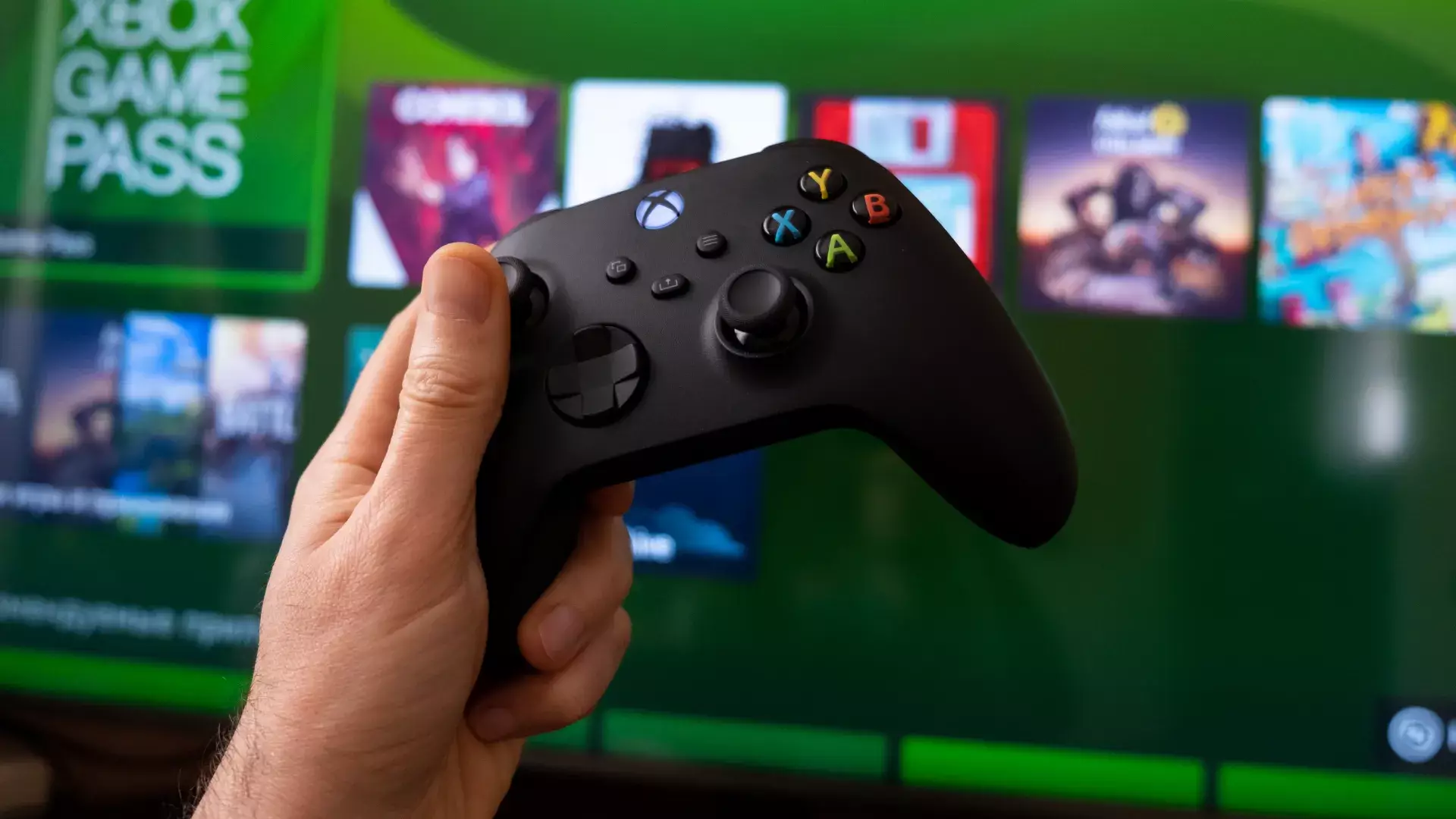
Microsoft’s approach to the evolving gaming landscape signifies a profound shift from the conventional console-centric model that once dominated the industry. While many analysts and industry insiders have wondered whether Microsoft might retreat from dedicated hardware altogether, recent statements suggest the company is committed to maintaining a significant presence in console gaming. Rather than abandoning consoles, Microsoft appears to be reimagining what a gaming platform can be—placing greater emphasis on versatility, accessibility, and seamless integration across multiple devices. This strategic pivot is rooted in the recognition that today’s gamers are increasingly fluid in how they access content, opting for different devices based on convenience and context. Instead of chasing the traditional console dominance of the past, Microsoft seems intent on dominating the broader ecosystem, providing players with flexibility and control.
This mindset indicates a discomfort with the rigidity that characterized previous generations. It suggests that Microsoft’s future hardware advancements may be less about raw power and more about creating adaptable, user-centric experiences. Their latest focus on devices like the Xbox Ally and potential next-generation consoles underscores a desire to balance high-performance gaming with portability—embracing a hybrid model that meets players where they are. The company’s willingness to think beyond conventional boundaries exemplifies a forward-looking philosophy that could redefine competitiveness in the gaming industry.
From Cloud to Mobile: A Player-Centric Strategy
At the heart of Microsoft’s strategic overhaul is the concept of putting players at the center of the experience. In an era where “multi-device gaming” is no longer an emerging trend but a daily reality, the company’s emphasis on flexibility is both pragmatic and visionary. As Jason Ronald highlighted, the focus is on enabling players to access their games wherever they want—whether on a powerful console, a mobile device, or a dedicated gaming handheld. This indicates a future where the traditional console is no longer the sole portal into gaming but part of an interconnected ecosystem.
The reference to the Xbox Ally—a handheld gaming device reminiscent of the Steam Deck—serves as a potent symbol of this new direction. With impressive specs, including AMD Ryzen-powered chips and substantial RAM and storage options, these devices are poised to compete fiercely in the portable gaming realm. Microsoft is aligning itself with a broader industry trend: the blending of PC, console, and portable gaming into a unified experience. This approach signifies a deep understanding that the future isn’t about the highest possible graphical fidelity at the expense of convenience but about making gaming more adaptable and accessible.
This shift also suggests that Microsoft does not view dedicated gaming hardware as obsolete but as part of a larger ecosystem. Their strategy seems aimed at capturing multiple touchpoints—offering high-powered consoles for core gamers and portable devices for casual or on-the-go play—while maintaining a unified digital store and ecosystem. It’s a nuanced approach that balances technological innovation with user convenience, challenging the industry’s traditional boundaries.
Multiplatform Ecosystem: A New Era of Accessibility
One of the most disruptive statements from Microsoft pertains to their approach to exclusivity and platform lock-in. The company’s recent commitments suggest that their signature franchises will continue to appear across multiple platforms, including competitors’ systems like PlayStation and Nintendo Switch. Such an open approach could be rooted in the belief that the strength of their games and services should not be confined to a single storefront or hardware platform.
This philosophy marks a paradigm shift: instead of viewing hardware as the sole gatekeeper of their content, Microsoft is embracing a more inclusive, ecosystem-oriented model. The idea of “largest technical leap” alludes to significant technological advancements in upcoming hardware that will provide core gamers with a premium experience. These advancements may include revolutionary graphics capabilities, faster load times, or innovative features that set a new standard for next-generation gaming.
This strategy challenges the conventional wisdom that console exclusivity drives hardware sales. Instead, Microsoft seems to wager that high-quality, accessible games and versatile hardware will create a more sustainable and expansive gaming environment. It reflects a confident belief that the industry’s future lies in hybrid solutions—where hardware, software, and services work seamlessly to serve a diversified player base.
Microsoft’s evolving strategy signals a bold departure from traditional notions of console dominance. Instead of focusing solely on hardware wars, the company appears to be crafting a comprehensive, multi-layered gaming ecosystem emphasizing versatility, accessibility, and innovation. Their commitment to multi-device play, broad platform availability, and hybrid hardware devices demonstrates a sophisticated understanding of modern gamers’ needs. While the industry watches with skepticism and curiosity, it’s clear that Microsoft aims to lead the next chapter of gaming—not through sheer hardware power alone, but by creating an integrated, player-centric experience that adapts to the world’s rapidly changing digital landscape.
Leave a Reply