
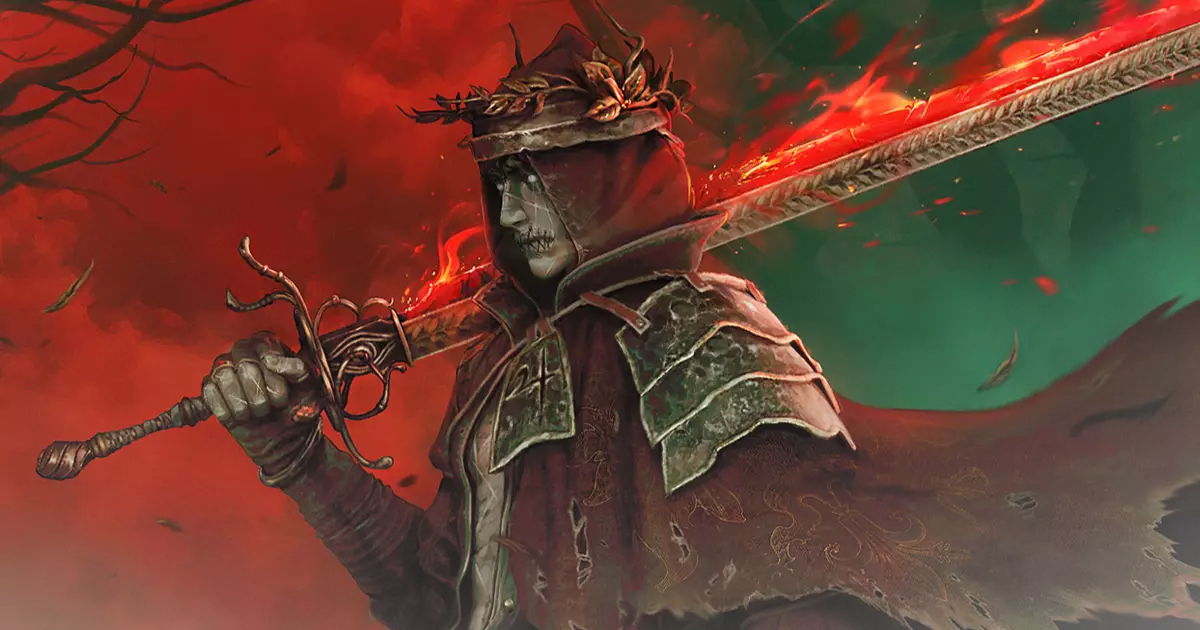
The impending release of Jyamma Games’ new action-RPG, inspired by Dante Alighieri’s timeless masterpiece *La Divina Commedia*, signals a daring and fresh approach to integrating literary classics within the gaming universe. Unlike previous attempts—often superficial or sensationalized—this project seems poised to offer a nuanced reinterpretation that respects the original work’s complexity while embracing modern gameplay innovations. Instead of merely using Dante’s *Inferno* as a backdrop for hack-and-slash mechanics, Jyamma attempts to craft a universe rooted in mythological and philosophical notions, turning the game’s narrative into a reflection on morality, redemption, and chaos.
What sets this project apart is its deliberate deviation from the superficial adaptations of Dante’s work. Many previous games, such as the 2010 *Dante’s Inferno*, focused heavily on violent spectacle and action tropes, often sacrificing the poetic and allegorical essence of the source material. Jyamma appears to understand that Dante’s *Divina Commedia* is more than a dark fantasy ‘grind’ — it’s an epic voyage through human morality. Their choice to incorporate elements like a narrative alignment system and procedurally generated dungeons hints at an ambition to create something that is both mechanically rich and intellectually engaging. The thoughtfulness embedded in these design choices suggests an earnest effort to elevate the game beyond mere entertainment and into a modern myth-making vessel.
From Medieval Poetry to Virtual Depths: A Cultural and Artistic Challenge
Transforming a 14th-century literary monument into an interactive digital experience is no small feat. The complexities of Dante’s allegories, detailed characterizations, and philosophical background threaten to get lost in translation if not handled with care. Yet, Jyamma’s approach hints at a deeper appreciation for the source material—a universe where each circle of Hell is more than a locale for combat; it’s a reflection of internal human struggles and societal sins. This philosophical depth offers the potential for players to grapple with notions of morality, justice, and redemption within a richly crafted environment.
That said, the challenge lies not only in faithfully translating Dante’s themes but also in balancing accessibility and complexity. The decision to incorporate customizable weapons and gear, alongside choices for protagonist gender and narrative alignment, signifies an attempt to democratize agency within this mythic journey. These features allow players to imagine themselves as part of Dante’s universe, making their own moral choices while exploring the philosophical underpinnings of the original poem. However, such personalization risks trivializing the depth of Dante’s moral universe if not handled delicately.
Procedural Generation and Loot in the Depths of Hell: A Questionable Fit?
Perhaps the most controversial aspect of Jyamma’s adaptation is the inclusion of procedurally generated extraction dungeons, where players mine the infernal depths for loot and progression materials. While procedural generation is increasingly popular for its replayability, applying it to a mythic journey through Hell raises critical questions. Does it trivialize the profound symbolism of Dante’s circles? Or does it serve as a form of modern game design that reinvents the journey as a personal quest for growth rather than a purely literary homage?
On one hand, this mechanic could offer a compelling sense of discovery and persistence, as players continuously descend into unpredictable chambers of torment. On the other, it risks reducing Dante’s divine spectacle to a loot grind, stripping away the poetic significance of each sin and punishment. The risk lies in framing the underworld as a game “stage” rather than a metaphysical landscape, which could undermine the original work’s philosophical gravitas.
Nonetheless, the game’s emphasis on stagecraft and world-building suggests an ambition to evoke a dreamlike, metaphysical atmosphere. If Jyamma manages to strike the right balance, they could transform Dante’s *Inferno* into a deeply immersive exploration of morality—something that challenges players to confront their own sins and virtues amidst the chaos of a procedurally generated hellscape.
While it’s premature to fully judge Jyamma’s *La Divina Commedia* adaptation, the project signals a courageous attempt to elevate video games as a serious artistic medium capable of engaging with complex literary and philosophical traditions. The developers’ willingness to reimagine Dante’s universe as a mythic, morally complex landscape, paired with innovative gameplay features, suggests a potential to produce a truly unique experience. Yet, the inherent risks of diluting the poem’s symbolism with modern game mechanics remain—whether this effort will honor or diminish Dante’s legacy is ultimately in the hands of its creators.
By daring to blend high literature with cutting-edge procedural gameplay, Jyamma Games might just redefine how we approach classic stories in the digital age. If they succeed, gamers could find themselves embarking on a journey not just through Hell, but into the very depths of human morality and artistic expression—an epic worth the wait.
Leave a Reply