
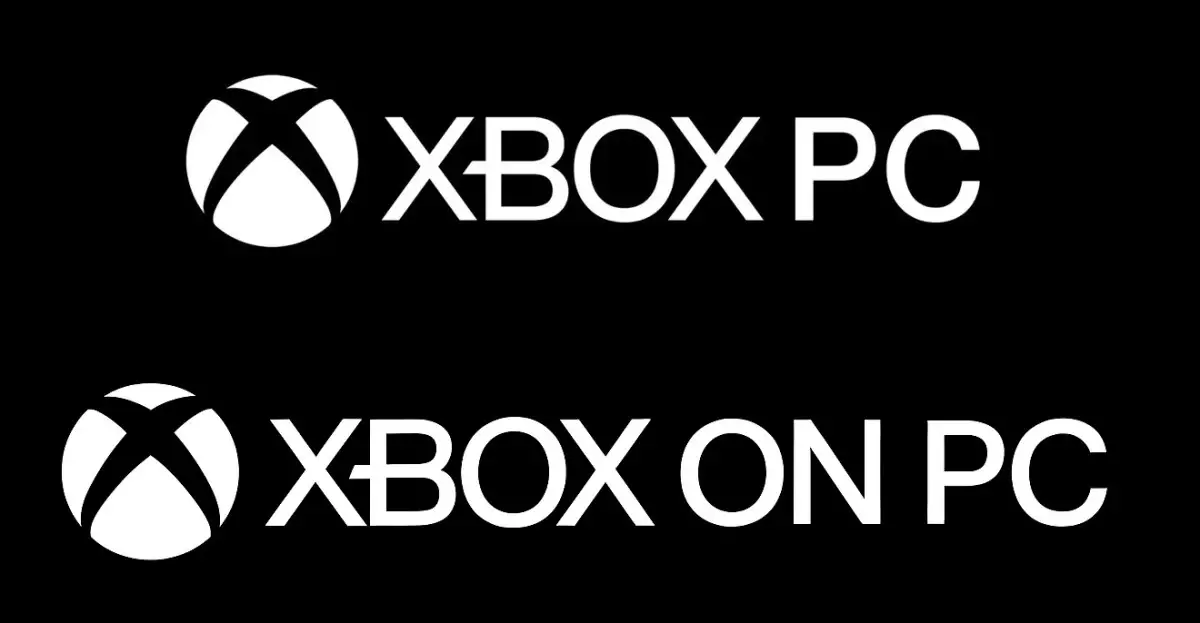
Microsoft’s recent flip-flopping between “Xbox PC” and “Xbox on PC” illustrates a broader strategic uncertainty that has been characteristic of its gaming and platform branding efforts in recent years. Initially, the tech giant adopted “Xbox PC” in May, seeking to carve out a distinct identity for its PC gaming ecosystem—one that emphasized the synergy between Xbox hardware, software, and Windows PCs. However, this branding was short-lived; within a few weeks, Microsoft shifted to “Xbox on PC,” an alteration that might seem superficial but carries significant implications.
On the surface, this change appears minor—a simple tweak in wording. But delving deeper, it signals a nuanced adjustment in Microsoft’s marketing approach. The phrase “Xbox on PC” feels more natural and accessible, emphasizing that players can enjoy Xbox titles on their computers without needing to think of it as a separate platform. It subtly shifts the narrative from a distinct “Xbox PC” ecosystem to a seamless experience where Xbox experiences are one and the same as PC gaming.
However, this rapid rebranding raises questions about Microsoft’s internal cohesion and clarity of vision. Why the quick change? The likely answer lies in the audience’s perception. The initial “Xbox PC” branding may have been perceived as trying to position the PC as a secondary platform or a subset of Xbox, which could lead to confusion about the level of integration and the core message. Switching to “Xbox on PC” aims to normalize Xbox games on Windows, aligning it with consumer expectations for a unified gaming universe.
Branding Confusion and Its Impact on Consumer Perception
The inconsistency in terminology, coupled with the same branding used simultaneously in official communications—sometimes in one post and then in another—creates a murky landscape for gamers and industry observers alike. Major publishers like Focus Entertainment and Microsoft Studios have appeared to adopt or abandon these labels seemingly at whim, underscoring a lack of coherent branding strategy.
This erratic branding also sparks questions about Microsoft’s understanding of its core messaging. Is it trying to rebrand its PC ecosystem in a way that rivals Steam? Or is it merely attempting to clarify that Xbox titles are now part of the Windows universe? The latter seems more plausible, given that the language subtly shifts the focus from hardware-centric branding to a software/experience-centric one.
From the consumer’s perspective, the inconsistency breeds uncertainty. When a brand’s identity keeps shifting, it becomes harder for customers to trust the platform’s long-term vision. They might question whether Microsoft truly intends to unify its offerings or simply test different labels to see which resonates best.
Strategic Ambitions and Microsoft’s Future Vision
This branding exercise is more than just semantics; it hints at Microsoft’s broader ambitions to position Xbox as a holistic entertainment platform transcending traditional boundaries. The company’s goal appears to be creating a seamless ecosystem where Xbox hardware, PC gaming, mobile devices, and even virtual reality merge into a cohesive experience.
By emphasizing “Xbox on PC,” Microsoft signals its intent to blur the lines between console and PC gaming even further. The upcoming integration of Windows and Xbox for handheld devices illustrates an ecosystem designed for flexibility and cross-platform play. Such moves could elevate Microsoft’s position against established players like Steam, Epic Games Store, and PlayStation.
But realizing this vision isn’t without its hurdles. Differing user experiences, pains points, and platform fragmentation—especially between Windows and Xbox—remain obstacles. The frequent branding shifts risk undermining consumer trust, making it difficult for gamers to grasp what Microsoft is truly offering.
It is crucial for Microsoft to establish a consistent identity that communicates its long-term strategy convincingly. Otherwise, it risks appearing overly inconsistent—like a company chasing trends rather than setting them.
Will the Name Matter in the End?
Ultimately, branding is a tool—one that either clarifies or confuses. Microsoft’s current approach suggests a company still experimenting with how best to present its evolving ecosystem. The frequent change from “Xbox PC” to “Xbox on PC” might seem trivial, but it reveals the larger challenge: how to make Xbox a natural part of the Windows universe for gamers worldwide.
If Microsoft succeeds in delivering a genuinely integrated, user-friendly experience, the branding nomenclature will matter less than the quality of the platform itself. However, if this instability persists, it may reinforce skepticism among consumers accustomed to clear, consistent messaging.
In the end, Microsoft’s willingness to pivot and adapt could be viewed as a sign of agility—or as a sign of indecisiveness. For a brand aiming to redefine gaming and entertainment, maintaining a clear, compelling identity is essential. Otherwise, it risks becoming just another tech giant with an increasingly confusing array of labels and promises.
Leave a Reply