
The common assumption that the last days of July would slow down for new game launches could not be further from reality in 2025. Instead of a quiet closure to the summer, July 31st turned into an electrifying showcase of diversity, innovation, and unexpected brilliance. This day exemplifies how the gaming industry thrives on surprises, defying seasonal lull theories and proving that the appetite for fresh experiences remains insatiable. The sheer variety—from indie gems to remastered classics, Japan-exclusive titles to stealth launches—demonstrates that today’s gaming landscape is currently more vibrant and unpredictable than ever.
This busy release schedule isn’t merely a reflection of market stamina but a testament to how even niche titles can find their audience. Smaller studios, often working with limited resources, showcased their creativity, blending genres and gameplay styles that appeal to eclectic tastes. Some of these titles made silent entries afterward capturing loyal fanbases, proving that in modern gaming, visibility often matters less than quality and originality. Overall, July 31, 2025, becomes a reminder that the gaming ecosystem is resilient, driven by innovation and the community’s hunger for novelty.
Expanding Horizons with Unique and Genre-Bending Titles
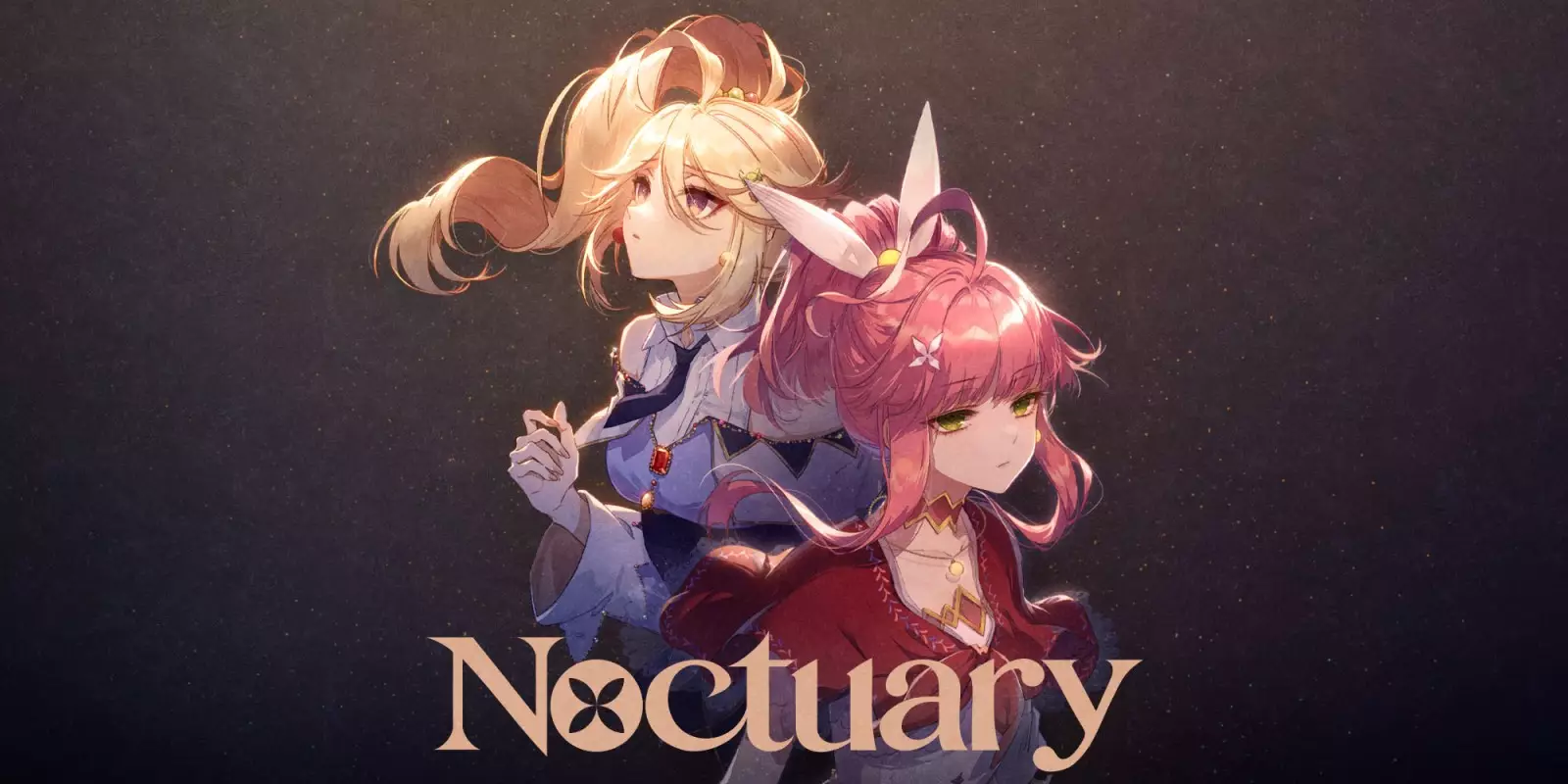
Among the standout releases, titles like “Noctuary” and “Spy Drops” perfectly capture the day’s spirit—part of a new wave of niche yet compelling experiences. “Noctuary,” a survival horror adventure steeped in folklore, transports players into a shadowy forest teeming with secrets. Its blending of horror aesthetics with intricate puzzle mechanics reflects a thoughtful approach to storytelling that appeals precisely to fans of atmospheric tension. Though it launched on PS5 and Switch, its strong preview reception hints at the potential to become a cult classic.
On the other hand, “Spy Drops” offers a frenetic arcade experience infused with stealth mechanics, reminiscent of the best of the 80s neon aesthetic. This title demonstrates a smart borrowing from multiple influences—“Hotline Miami’s” quick action, “Invisible, Inc.’s” tactical paranoia—with its tight gameplay loop and stylish visuals. These games exemplify how innovation often stems from a mixture of old-school inspiration and modern design sensibilities, creating experiences that feel both fresh and nostalgic.
Meanwhile, “Time Flies,” a minimalist title delayed multiple times, finally makes its debut to critical curiosity. Playing as a fly with a finite lifespan, the game navigates themes of mortality, curiosity, and life’s absurdity. Its quirky premise belies a profound emotional core, offering players a strange, contemplative journey. The release exemplifies how indie developers lean into unconventional ideas, challenging players to find meaning inside simple mechanics.
Revamps of Beloved Classics and Cult Followings
The return of well-loved franchises like Falcom’s “Ys VIII: Lacrimosa of DANA” and “Ys IX: Monstrum Nox” highlights an ongoing trend: the resurgence of classic RPGs with modern enhancements. These “definitive editions” aren’t mere graphical upgrades; they optimize gameplay flow, improve resolution, and consolidate all DLC into one bundle, providing both newcomers and longtime fans a significantly refined experience. These remasters reveal a strategic understanding of how nostalgia can serve as a powerful marketing force, especially when combined with technological progress that enhances gameplay quality.
It’s notable that the industry’s focus on digital releases continues unabated. Titles launched without physical editions—like “Time Flies,” “Spy Drops,” and “Mashina”—highlight a shift into a primarily distribution-centered market. This digital-first approach aligns with a broader industry trend: reducing production costs, boosting accessibility, and fostering rapid updates. While some may argue it diminishes the collector’s appeal, it undeniably speeds up delivery to eager players, keeping the ecosystem vibrant and responsive.
Furthermore, cross-platform features are becoming baseline expectations rather than exceptions. “Ys IX” now supports cross-save functionality, breaking down platform barriers and allowing players seamless gaming experiences—something that resonates with today’s mobile, multitasking audiences. Support for cloud gaming, like GeForce NOW, extends this convenience further, ensuring that the gaming experience isn’t limited by hardware boundaries. Such features signify an evolution where flexibility and interconnectedness are no longer optional but essential.
The Cultural and Market Impact of Japan-Exclusive Titles
While the bulk of the world’s attention gravitates toward international launches, Japan’s game scene continues to produce intriguing exclusives that reinforce the cultural richness of gaming. Titles such as “Mystereet” and “Cotton Reboot” underscore a local industry that is both deeply rooted in tradition and willing to innovate. “Mystereet,” a detective visual novel with branching narratives, has garnered praise for its voice acting and clever plot structure, exemplifying a narrative style deeply appreciated in Japanese gaming. Meanwhile, “Cotton Reboot” revitalizes a classic shoot ‘em up series with modern mechanics, appealing to retro aficionados while respecting the franchise’s roots.
The fact that these releases remain Japan-only indicates a strategic market focus or localized development tracks. Yet, the potential for future Western localization could significantly expand their influence, especially given the niche but passionate fanbases. Their existence highlights the disparities and overlaps within the global gaming industry—how some titles are destined to remain regional mysteries while others quickly gain international recognition.
The emphasis on digital releases and niche titles suggests a future where the barriers between regional markets continue to erode, allowing more diverse voices and styles to integrate into the global narrative. This creates a richer, more layered gaming tapestry that rewards curiosity and cultural exchange.
The Future of Gaming Launches: Surprising and Still Evolving
Reflecting on July 31, 2025, it’s clear that the industry is at an inflection point. No longer are blockbuster releases the sole focal point; instead, a spectrum of small, daring projects are adding color to the calendar. These titles aren’t just filler—they reflect an industry that values experimentation, storytelling depth, and genre blending. As physical distribution gives way to digital-first strategies, developers can push the boundaries further, releasing titles without the high costs of manufacturing and logistics.
This shift empowers developers and publishers to target niche markets more effectively, creating a diverse menu of gaming options that cater to eclectic tastes. The ability to update, patch, and support titles post-launch also ensures that players aren’t stuck with flawed products but are engaged in ongoing conversations about quality and innovation. As the industry moves forward, events like those seen on July 31 serve as proof that surprises can still emerge unexpectedly and redefine what gaming success looks like—beyond sales figures or marketing hype.
Leave a Reply