
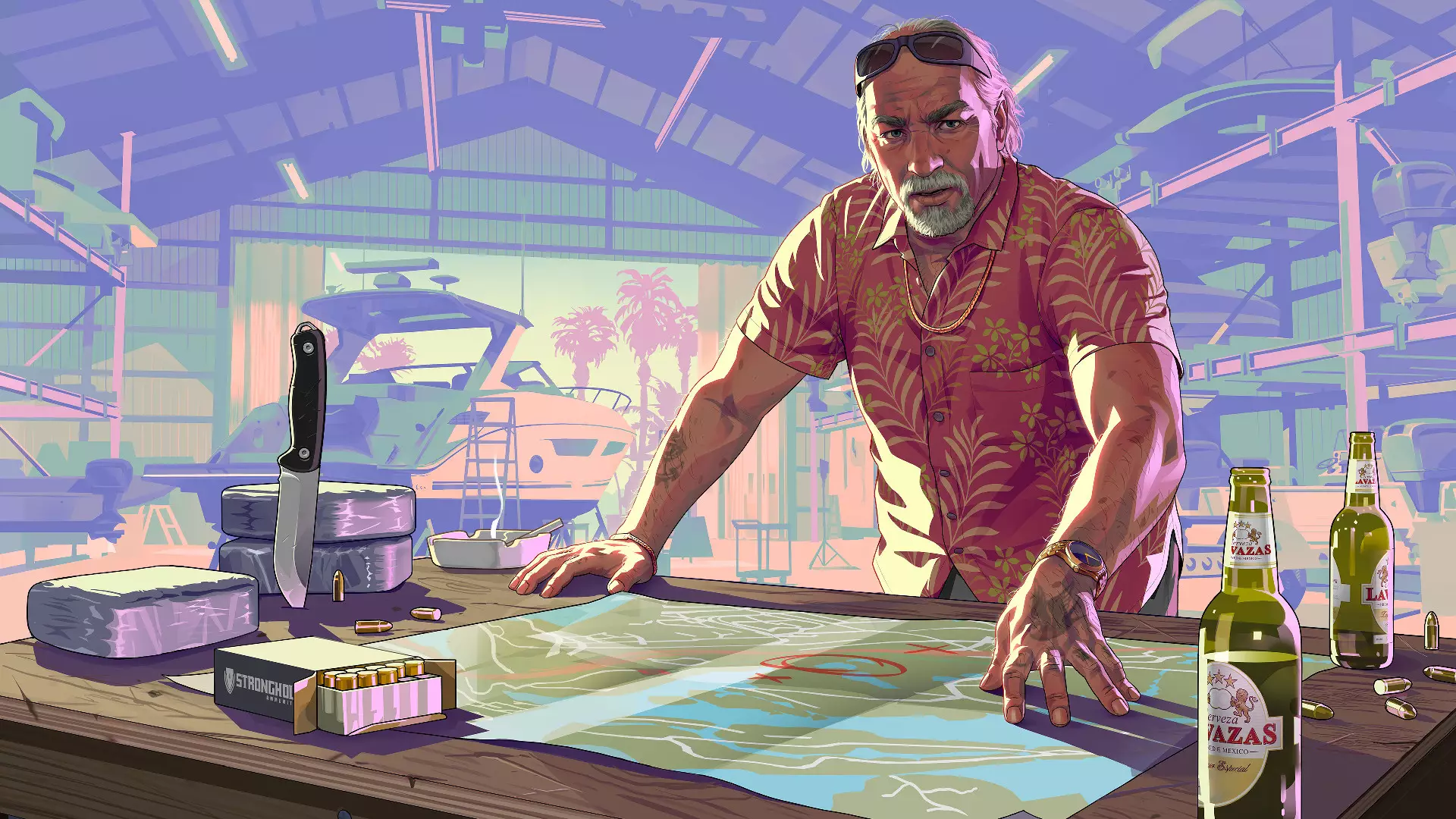
As the gaming industry matures, developers and publishers are increasingly re-evaluating traditional pricing models. Historically, AAA titles hovered around the $60 mark, buoyed by consumer expectation and industry standards. However, recent trends suggest that this once-unalterable ceiling is beginning to crack. The advent of more elaborate editions, microtransactions, and in-game purchases signals a shift toward a more flexible and, undeniably, more profitable economic model. Expectations are mounting that blockbuster titles, particularly highly anticipated ones like GTA 6, might command a premium price that exceeds conventional boundaries, potentially reaching $100 or more. This shift reflects a complex interplay of inflation, increased development costs, and the voracious appetite for immersive entertainment experiences.
While some might argue that gamers are resistant to paying hefty upfront prices, the reality is nuanced. Collector’s editions and special variants, often priced well above $70, have become normalized, suggesting that consumers are willing to invest more if the perceived value justifies the cost. This behavioral trend hints at a future where standard game prices could climb higher, especially for titles backed by massive marketing campaigns and anticipated global demand.
The Economics Behind GTA 6 and Industry Predictions
GTA 6 is poised to be a financial juggernaut, with industry insiders projecting staggering development and marketing expenses. Estimates suggest the game’s production costs could eclipse $1.5 billion—a figure unprecedented in gaming history—highlighting how far the industry has come from its modest beginnings. The immense investment underscores expectations that Rockstar Games will maximize profitability through strategic pricing and monetization techniques.
Analysts like Michael Pachter predict a $100 price point, signaling a bold move that could redefine consumer expectations for premium games. Pachter forecasts GTA 6 could generate around $10 billion over its lifetime, with GTA Online contributing hundreds of millions annually. Such figures emphasize the enormous financial leverage of a successful flagship franchise. For Rockstar, charging a premium could be a calculated move designed to underline the game’s exclusivity and quality, setting a precedent that other developers might emulate if successful.
However, it’s equally important to recognize skepticism within the industry. A $100 base price remains controversial, especially in an era where affordability is increasingly prioritized by consumers. While collectors and die-hard fans might shrug at hefty price tags, casual players and mainstream audiences are more price-sensitive, wary of high upfront costs that might deter new players from engaging with the franchise.
The Cultural and Market Implications of Increasing Game Prices
The push toward higher initial prices for AAA games raises critical questions about the future of gaming as a mass entertainment medium. Will rising costs alienate younger or more budget-conscious gamers, or will the allure of blockbuster experiences sustain higher price points? Historically, high-profile launches like Miami’s GTA 5 have proven successful despite premium editions costing as much as $150. These experiments highlight a potential pathway where exceptional content justifies extravagant pricing, but it also risks creating a tiered market where only wealthier consumers can access the best experiences.
Furthermore, the broader industry’s resistance to $80 or $100 baseline prices indicates that publishers are cautious about alienating audiences. Even major companies like Microsoft and EA have refrained from adopting such prices for upcoming releases. This cautious stance suggests that while premium prices might be justifiable from a business standpoint, market acceptance remains uncertain. Gaming communities are increasingly vocal about affordability, and developers must balance profitability with consumer loyalty.
In the end, Rockstar’s historical success with GTA 5, offered at more modest prices, might influence how they approach GTA 6’s pricing strategy. A lower upfront cost could attract a larger user base, ultimately boosting long-term revenue through in-game transactions and online monetization. The possible bundling of GTA 6 with GTA Online, priced collectively at $100, is a plausible route to strike a balance between premium expectations and market realities.
Final Reflection: A Paradigm Shift on the Horizon?
The conversation surrounding GTA 6’s pricing reflects a larger industry debate about the future of gaming economics. Will we see a move toward a more elite, high-priced gaming experience, or will affordability and broad accessibility remain guiding principles? The answer likely lies in consumer behavior, technological advancements, and strategic business models. Rockstar’s upcoming release could pivot the industry toward a new norm—one where blockbuster titles command premium prices that align with their huge production costs and cultural impact.
Yet, this shift is not without its risks. Pushing prices too high risks alienating a sizable portion of the gaming population, whose loyalty and engagement have historically been built on accessible pricing. As development costs soar and gaming becomes more cinematic and immersive, the industry must grapple with how to sustain growth without pricing out its core audience. The coming years will reveal whether GTA 6’s potential $100 price tag is a one-off experiment or a harbinger of a fundamentally transformed gaming economy.
Leave a Reply