
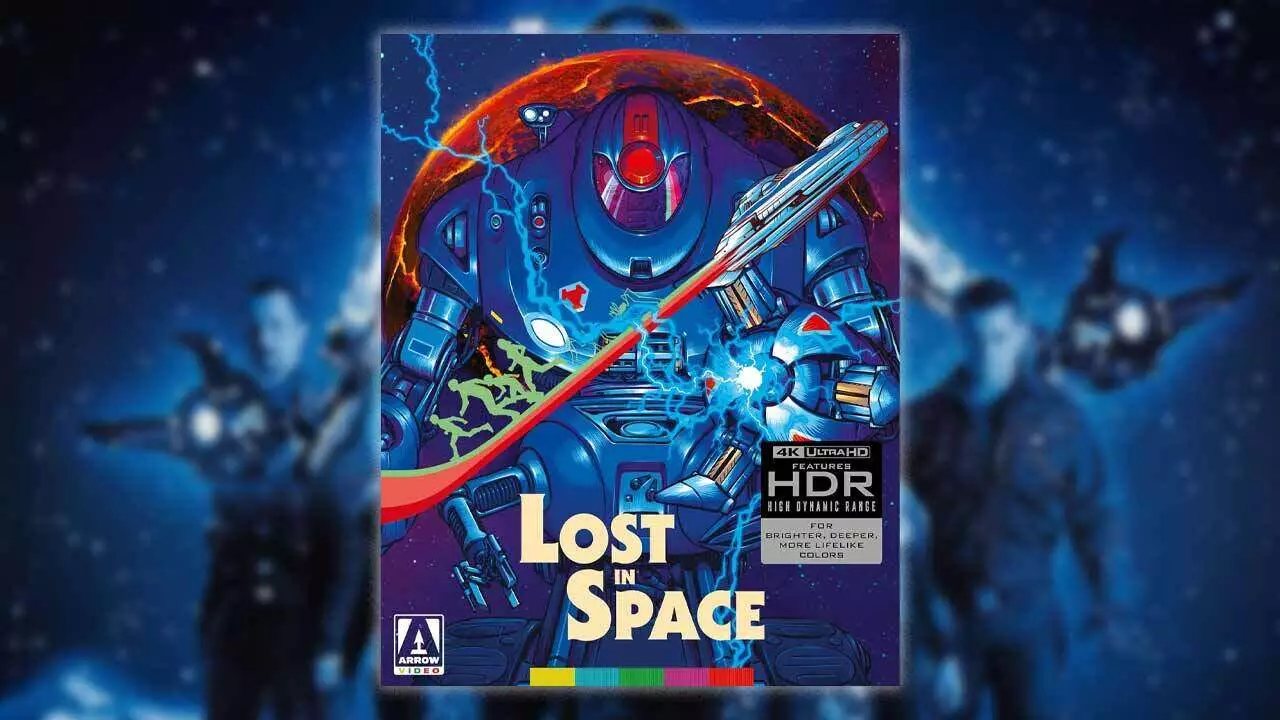
In an era where remastered films are more accessible than ever, the new 4K edition of “Lost in Space” exemplifies how modernization elevates a film’s legacy. The film, despite initial lukewarm reviews upon release, has earned its place as a cult classic—a status that benefits greatly from modern restoration techniques. High-quality 4K resolution, combined with immersive HDR support, breathes new life into the visual elements that were groundbreaking at the time but may have appeared dated in previous formats. This restoration doesn’t merely serve aesthetic luxury; it restores the film’s original visual intent, allowing contemporary audiences to experience the movie as envisioned by Stephen Hopkins.
Moreover, the inclusion of Dolby Vision and HDR10 ensures that the cinematic quality resonates with today’s modern home theater systems, offering richer colors and deeper contrasts. The significance of this effort isn’t just technical—it’s about preserving cultural artifacts. “Lost in Space,” a film that struggled with critical reception but succeeded commercially, demands this preservation to be appreciated anew. The upgrade transforms it from a ‘forgettable sci-fi flick’ into a rediscovered gem, giving viewers an opportunity to reevaluate its artistic and technological ambition, which was ahead of its time.
Beyond the Screen: Collector’s Value and Cultural Documentation
Just as important as the film itself is the package it comes in. Arrow Video’s Limited Edition re-release isn’t merely a release; it’s a meticulously curated collector’s item. The packaging features reversible sleeves, with original and exclusive artwork—an aesthetic detail that appeals to die-hard fans and newcomers alike. The accompanying illustrated booklet, featuring exclusive commentary, production notes, and articles, elevates the packaging into a comprehensive historical document. It transforms the limited edition from a mere film release into a tangible testament to the film’s place in sci-fi history.
Such editions serve a dual purpose: they preserve film history and create tangible cultural artifacts. They invite viewers not just to watch, but to engage actively—reading through the commentary, examining the artwork, and appreciating the effort behind the visual effects and production design. This approach underscores an important philosophy: restoring a film isn’t just about digital enhancement but about safeguarding its narrative, aesthetic, and cultural significance for future generations.
Insights into the Making and Legacy of “Lost in Space”
Watching “Lost in Space” today, it’s impossible not to recognize its audacious approach to science fiction storytelling. It pays homage to its roots—the classic 1960s TV series—while bravely adding new storytelling layers and visual effects that were groundbreaking in 1998. The film’s narrative, revolving around the Robinson family’s adventures in an alien galaxy, is propelled by a compelling cast including William Hurt and Gary Oldman, whose performances anchor the film’s complex themes of trust, betrayal, and exploration.
Its production history is equally fascinating. The film marked a pivotal shift for New Line Cinema, moving from horror and indie productions into blockbuster territory. It exemplifies how a studio can leverage recognizable intellectual properties but also push technological boundaries—evident in the special effects work and set designs that still hold up today. The 4K restoration captures this ambition vividly, making it easier to appreciate the craftsmanship that went into creating such an imaginative universe.
The Cultural Resurgence and the Continued Relevance of the Sci-Fi Genre
“Lost in Space” demonstrates how sci-fi remains a vital genre—one that continually reinvents itself and appeals across generations. The renewed interest through Netflix’s reimagining and Arrow’s restoration efforts reflect this genre’s enduring appeal. The film’s modern visual upgrades allow it to stand alongside contemporary sci-fi blockbusters, emphasizing that great storytelling and innovation aren’t confined by time.
Furthermore, the release underscores a broader trend: a reaffirmation of the importance of physical media and collector editions in a digital age. Unlike streaming, these editions offer a sensory experience—annexed with commentaries, behind-the-scenes footage, and archival materials—that deepens understanding and appreciation. It’s not just about watching a film; it’s about researching and experiencing its broader narrative ecosystem.
In embracing these restorations, fans and newcomers alike are invited to explore the layered history of “Lost in Space”—a film that, despite its rocky reception, continues to inspire with its ambitious storytelling, technological advancements, and cultural resilience. It’s a reminder that many movies, no matter their initial reception, have the capacity to be reborn through high-quality restoration and passionate curation. This process isn’t just technical—it’s profoundly artistic and deeply necessary to keep sci-fi’s spirit alive.
Leave a Reply