
The landscape of AAA game development has long been fraught with issues that threaten the creative process and the well-being of developers. Traditionally, producing high-budget titles involves grueling schedules, relentless crunch, and a pressure-cooker environment that often sacrifices innovation and mental health. Harold Ryan’s vision for ProbablyMonsters signals a bold departure from this cycle. Drawing from his experience at Bungie, Ryan aspires to forge an ecosystem where sustainability and creativity are prioritized over sheer profit margins. This ambition signals a fundamental shift; it’s about reimagining how games are built and who they serve—both creators and players.
In a gaming culture often influenced by corporate greed and relentless quarterly targets, Ryan’s move suggests a commendable and necessary push for reform. His belief is clear: long-term creative energy depends on a healthier environment for developers. By advocating for flexible, focused workflows and new production models, Ryan hopes to create not just better games but a more resilient industry. The real challenge lies in whether this vision can translate into tangible change at the scale of AAA production, where risk aversion and legacy structures persist.
Innovative Approaches to Game Design and Sustainability
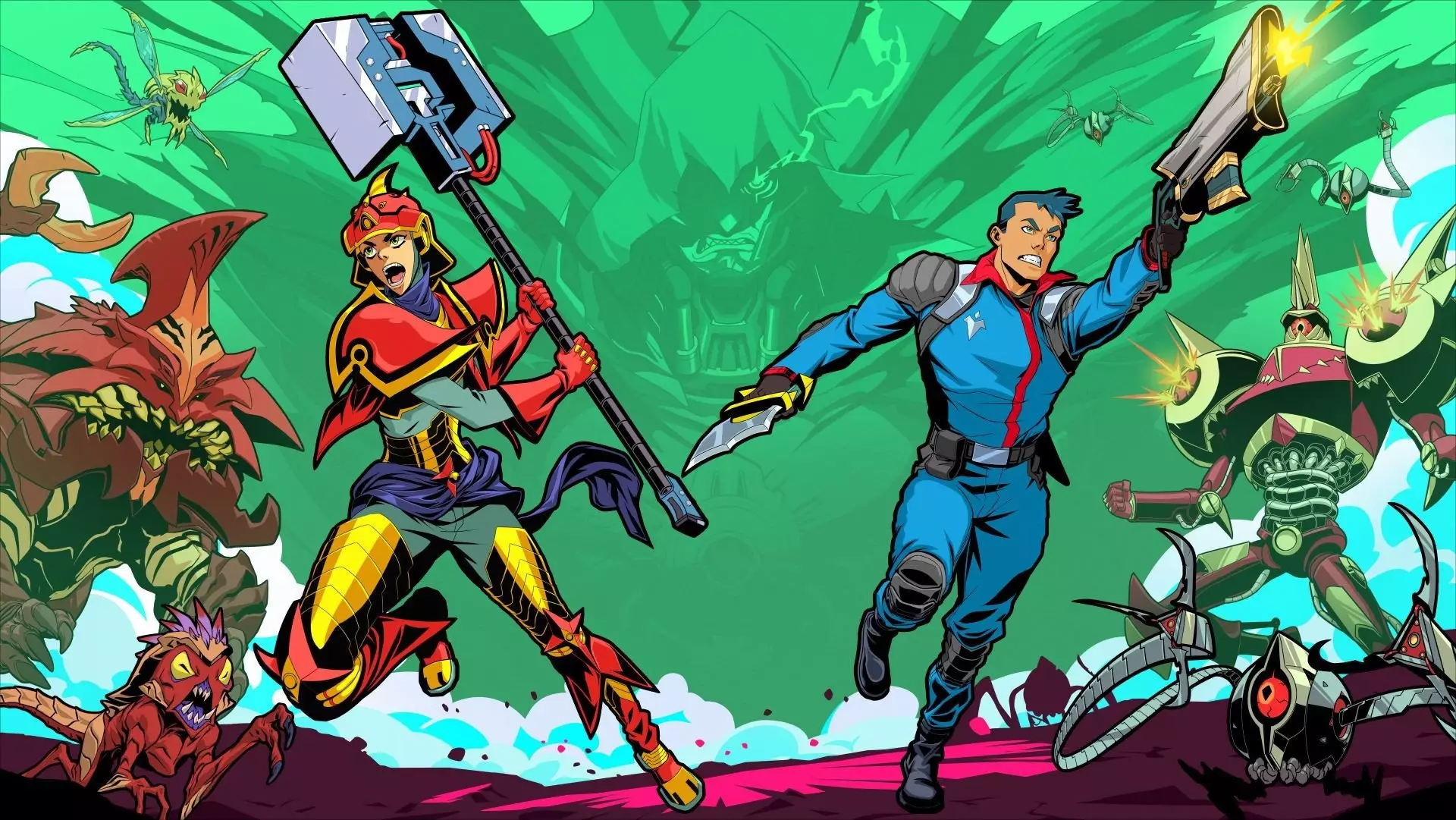
Perhaps most daring about Ryan’s initiative is the idea that sustainability and quality can align with commercial success. The debut projects from ProbablyMonsters exemplify this shift — particularly with games like Storm Lancers. This title, a side-scrolling roguelike with a concise 10-hour runtime, exemplifies a design philosophy tailored towards intensity, replayability, and accessible development cycles. Shorter playthroughs reduce the risk of burnout for developers and foster a more manageable development environment.
Storm Lancers’ aesthetic, inspired by 1980s anime and cartoons, underscores a deliberate emphasis on visual charm and nostalgic appeal. Its cartoonish, vibrant art style stands out in a crowded genre, appealing to players looking for a fresh yet familiar experience. Moreover, the game’s emphasis on couch co-op taps into the enduring appeal of local multiplayer gaming—an area often neglected in the push towards live service models and always-online experiences.
This approach also demonstrates respect for player experience. The game’s focus on combo-heavy combat and meaningful item collection reveals a crafted design that aims to keep players’ reflexes engaged and replay incentives high. These thoughtful choices suggest a philosophy rooted in quality over quantity—an encouraging signifier in an era dominated by monetization strategies that often undermine gameplay integrity.
Redefining Player-Developer Relations and Future Possibilities
What truly sets Ryan’s vision apart is the emphasis on empowering developers. By fostering environments where original IP can flourish without being subjected to exploitative cycles, ProbablyMonsters positions itself as a beacon for change. This redefinition of the relationship not only benefits creators but ultimately enriches the gaming landscape for players yearning for meaningful, memorable experiences.
Storm Lancers’ development team, composed of industry veterans from giants like Microsoft and Blizzard, further suggests that seasoned expertise is aligned with innovative, sustainable practices. The game’s multiplayer focus reinforces a belief that community—whether local or online—is central to the modern gaming experience. As players collaborate and adapt in real time, they become active participants in a shared adventure, potentially building stronger bonds with developers’ visions.
If the model proves successful, it could influence broader industry standards. The hope is that game studios will no longer feel trapped in cycles fueled by crunch and burnout but will instead adopt flexible workflows championing creativity, well-being, and community engagement. This could ultimately lead to a wave of healthier work environments that not only produce better games but also nurture the passionate teams behind them.
Challenging the Conventional Wisdom of AAA Development
While some may dismiss the ambitions of ProbablyMonsters as idealistic or too early in implementation, the very existence of such a studio challenges the deeply ingrained paradigms of AAA development. By opting for smaller, more focused titles with shorter durations, they emphasize quality and player engagement over mass-market saturation. This tactical shift aligns with a broader cultural change—a desire for more meaningful gaming experiences that respect both the creator and the consumer.
Storm Lancers, with its nostalgic aesthetic, cooperative gameplay, and innovative design, is more than just a game; it’s a symbol of a new philosophy. It signals that alternative models are not only possible but necessary for a thriving industry capable of withstanding future challenges. If the industry collectively embraces these changes, we might finally see a future where creativity is sustainable and gaming remains a vibrant, evolving art form rather than a exploitative juggernaut driven solely by profits.
Leave a Reply