
In recent years, the semiconductor industry has experienced seismic shifts, with AMD emerging as a formidable force challenging the long-standing dominance of Intel and Nvidia. While some observers focus solely on AMD’s recent financial ups and downs, a deeper analysis reveals that the company’s core strengths lie in its innovative product lineup and strategic market positioning. The surging demand for AMD’s Ryzen processors and Radeon GPUs underscores a broader consumer trend: a desire for high-performance, cost-effective, and innovative computing solutions. This resurgence is empowering AMD to reclaim its place in a market historically dominated by larger rivals, pushing boundaries and redefining what is possible in desktop, mobile, and gaming sectors.
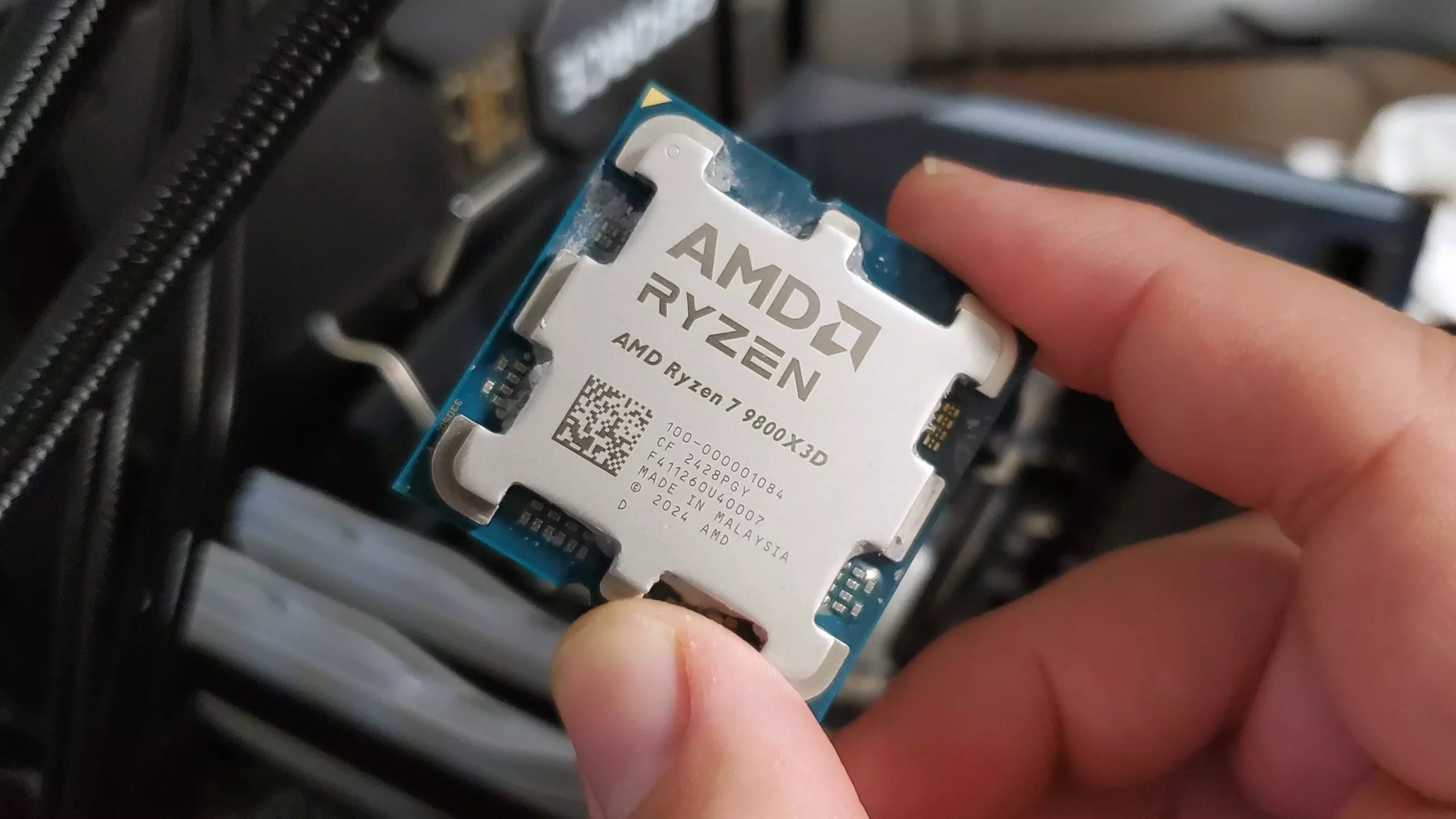
AMD’s impressive 69% revenue increase in the Client and Gaming divisions isn’t just a fleeting success—it signifies a fundamental shift. Consumers are no longer content with traditional solutions; they are demanding more powerful, energy-efficient, and affordable hardware. AMD’s hardware, especially the Ryzen 7 9800X3D CPUs and Radeon RX 9070 XT graphics cards, has become highly desirable among gamers and PC enthusiasts alike. Interestingly, the adoption of AMD-powered Dell PCs illustrates a broader acceptance of AMD’s offerings in the mainstream, previously dominated by Intel and Nvidia. This transition is not merely about hardware preferences but signifies a paradigm shift in consumer perception and trust in AMD’s technological competence.
Market Dynamics and Strategic Opportunities in a Changing Industry
While consumer success paints an optimistic picture, the broader industry landscape remains complex. AMD’s data center division, for example, had a more sobering quarter, suffering a loss primarily due to external geopolitical factors—specifically US export restrictions on high-end AI processors like the MI308 GPUs. Although revenues still grew 14%, reaching $3.2 billion, the associated operating loss of $155 million highlights vulnerabilities in global supply chains and international trade policies. These restrictions resulted in significant inventory charges, underscoring how external political decisions can directly impact bottom line and strategic agility.
Despite this setback, AMD’s overall financial health remains strong, with total revenues reaching a substantial $7.7 billion—an impressive 32% improvement year-over-year. The record growth in consumer and gaming segments outweighs the challenges faced by the data center division. Importantly, AMD’s forecast for Q3—projecting earnings of around $8.6 billion—indicates confidence in sustained growth, fueled by ongoing product innovation and expanding market share.
What makes AMD’s current position particularly intriguing is its strategic opportunity to capitalize on industry disarray. The decline of Intel’s data center dominance, coupled with a faltering Qualcomm-ARM alternative, has opened the door for AMD to claim a more significant share of the enterprise and OEM markets. OEMs, hesitant after the ‘Crashgate’ debacle and the tepid response to Intel’s newer architecture, are increasingly turning to AMD for reliable, future-proof solutions. This shift could catalyze a new era of AMD-led innovation, especially as the company prepares to re-enter the AI processing arena with the possibility of restarting China sales.
Challenges and Opportunities: Navigating a Competitive Landscape
Despite the optimistic outlook, AMD must contend with fierce competition—most notably from Nvidia, whose data center revenue streams dwarf AMD’s. Nvidia’s dominance in AI and high-performance computing underscores the scale of the challenge AMD faces. But AMD’s agility, combined with its recent advances in semi-custom technologies and strategic pushes into new markets, signals a resilient brand that refuses to be marginalized.
The geopolitical landscape adds another layer of uncertainty, but it also creates opportunities for AMD to leverage its diverse product portfolio. By securing export approvals and refining supply chains, AMD could dramatically increase revenues, especially if it reinvigorates efforts to sell AI chips in China—a key market for future growth. The company’s focus on chiplet design and advanced technology nodes further cements its position as a leader capable of challenging the status quo.
Ultimately, AMD’s recent financial performance is not merely a tale of growth and setbacks—it’s a testament to a company that continually adapts, innovates, and challenges pervasive industry norms. Its ability to turn consumer enthusiasm into sustained growth, while navigating geopolitical hurdles and fierce competition, underscores a future where AMD is more than just a challenger—it’s a transformative leader setting new standards in the semiconductor world.
Leave a Reply