
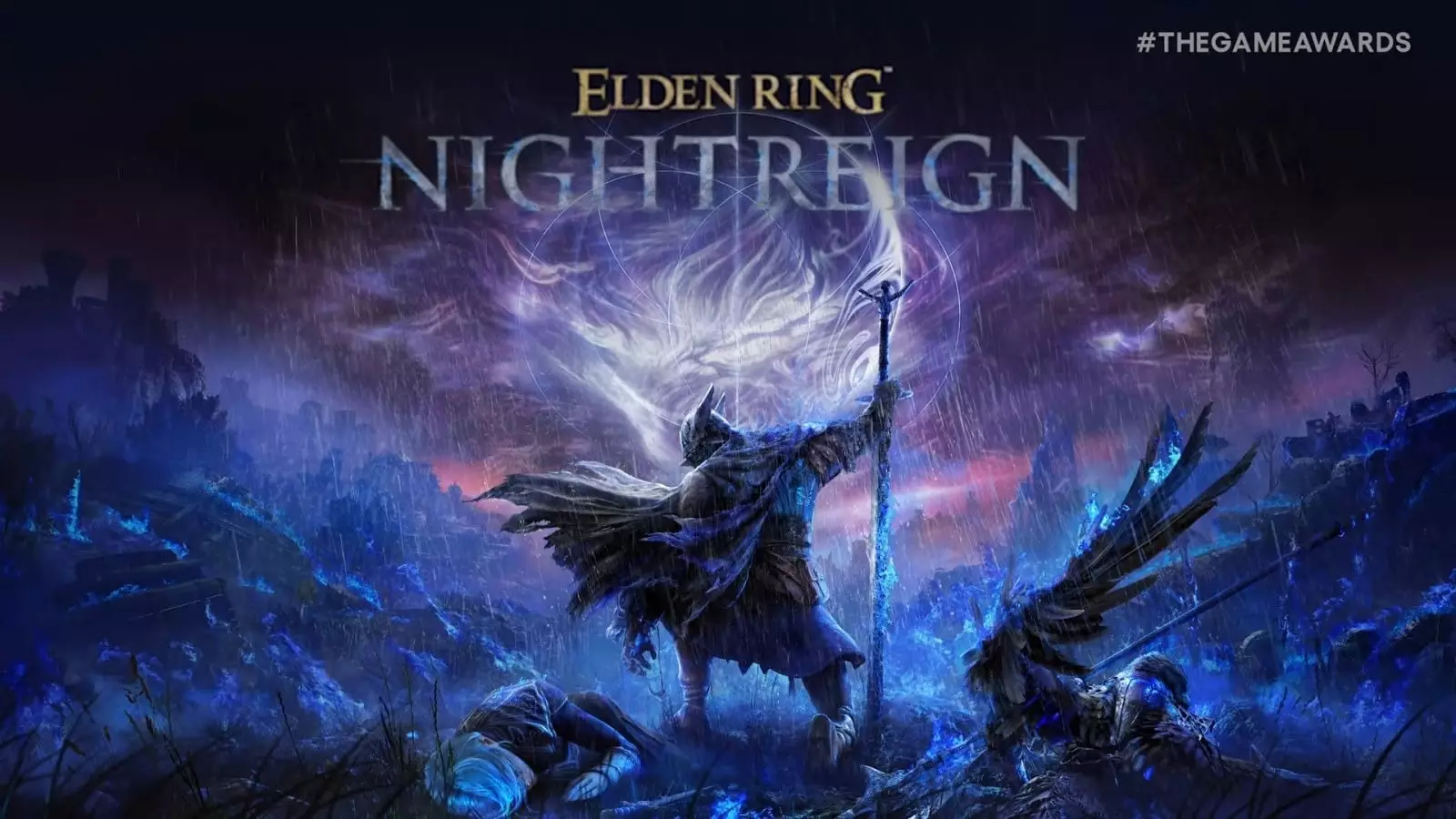
From its inception, Elden Ring Nightreign demonstrated an ambitious attempt to blend roguelike elements with the expansive fantasy universe of the original game. However, the initial launch left a significant void: the absence of a dedicated duos mode. While players could team up in trios or face the brutal challenge solo, the missing middle ground—a figure of two—limited the social flexibility that modern multiplayer games thrive upon. The introduction of this mode marks a noteworthy evolution, reflecting both the developers’ responsiveness to community feedback and a deeper understanding of social gaming trends. It’s a reminder that, in a universe as complex and punishing as the Lands Between, shared experiences with just one friend can enhance engagement without overwhelming coordination efforts.
This addition signifies more than merely expanding gameplay options; it is an acknowledgment that multiplayer gaming is as much about flexibility as it is about challenge. Many gamers value the intimacy of duo play, where communication and teamwork feel more organic and meaningful. By catering to this preference, Nightreign is effectively reimagining cooperative play, showcasing a shift towards more inclusive, less cluttered multiplayer interactions that prioritize quality over quantity.
Responding to Community Demands: From Frustration to Opportunity
The journey toward the duos mode wasn’t dictated solely by developer ingenuity but heavily influenced by player feedback. Early on, fans expressed their frustration over the limited multiplayer structure, particularly the logistical hurdles of coordinating three-player sessions. The inability to naturally connect with just one friend for shared adventures placed an unnecessary barrier on the experience. Instead, players were often resigned to inviting random players, which compromised communication, strategy, and overall fun.
This frustration catalyzed a clear community-driven demand, which FromSoftware and Bandai Namco eventually addressed with the upcoming patch. The delay—coming a few months after launch—can be viewed as a natural part of iterative development, where feedback shapes future content. In essence, the addition of the duos mode is a vote of confidence for the community’s voice, validating their desire for more precise, manageable, and meaningful multiplayer options. It’s a lesson in humility and adaptability, emphasizing that even the most storied developers must listen to their audience to refine their offerings.
Strategic and Cultural Significance of the New Mode
From a gameplay perspective, the duos mode introduces a fresh layer of strategic depth. Co-op interactions with one friend offer a different dynamic than larger groups or solo ventures. Players can coordinate more closely, sharing Relics and boss strategies efficiently. The roguelike format, which ensures each run feels unique with variable bosses and relics, becomes more accessible with just one partner to communicate and strategize with, reducing the chaos often associated with larger parties.
Culturally, this shift aligns with broader trends in multiplayer gaming: the desire for more personalized, less overwhelming experiences that fit into increasingly busy lifestyles. Multiplayer games once thrived on big teams and massive raids, but today’s gamers often prefer the intimacy of duos or even solo play, especially in complex, challenging worlds such as Nightreign. Introducing this mode not only broadens the game’s appeal but revitalizes it for a new generation of players who might have been deterred by its initial design limitations.
Furthermore, the upcoming UI improvements and filtering options signal a commitment to polish and accessibility. Refined relic management and streamlined interfaces create an environment where players can focus on cooperation and exploration rather than frantically managing inventory or navigating cluttered menus. These enhancements, albeit minor on their own, collectively elevate the multiplayer experience, emphasizing quality gameplay over sheer chaos.
The Future of Elden Ring Nightreign and Its Multiplayer Vision
Elden Ring Nightreign’s evolving multiplayer landscape exemplifies a broader industry truth: games are living entities that must adapt to their communities. The addition of the duos mode isn’t merely a patch note—it’s a strategic move that could reignite interest in the game, draw back lapsed players, and establish new social standards for how cooperative experiences are designed within this universe.
In many ways, this shift underscores a vital realization: games don’t succeed solely on their content but on their capacity to foster meaningful, accessible, and enjoyable interactions among players. Nightreign’s developers are demonstrating an understanding that multiplayer isn’t just about numbers; it’s about connection. As the game continues to evolve, it will be intriguing to see how this focus influences future updates, community engagement, and the broader perception of FromSoftware’s approach to multiplayer design. The coming changes aren’t just a patch—they’re a promise that Nightreign will become more than a solitary pursuit of mastery; it will be a shared journey grounded in collaboration, ease, and community.
Leave a Reply