
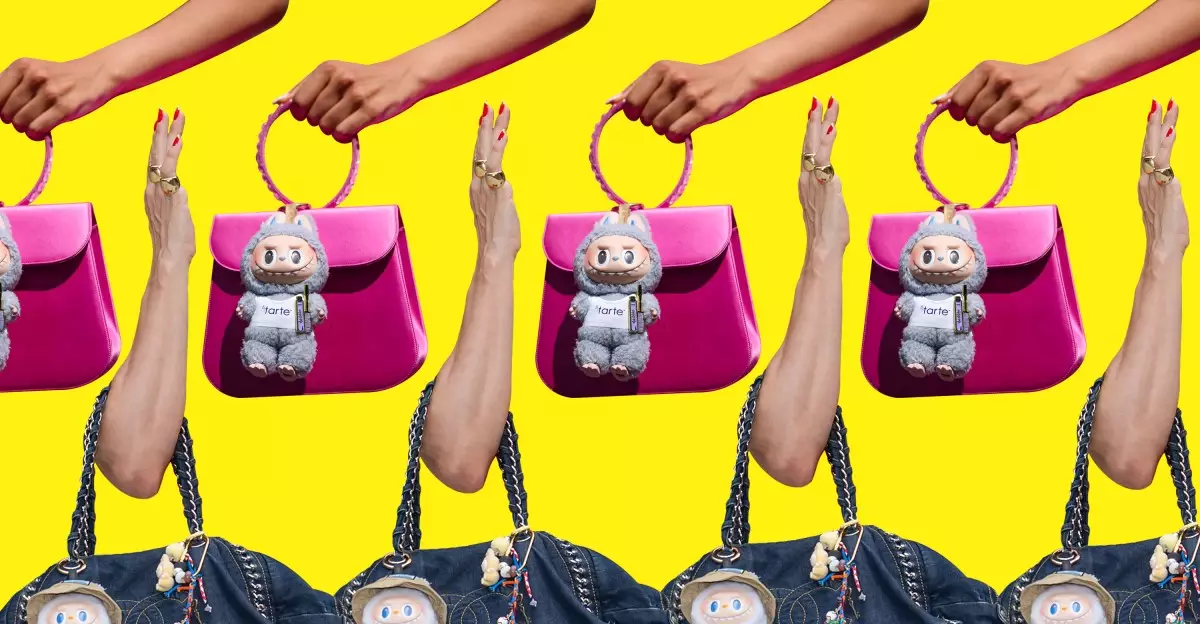
In an era dominated by instant gratification, the allure of highly sought-after collectibles like Labubu toy figures defies the norm. These charming, mysterious figurines from Pop Mart are not simply purchased; they are earned through a gauntlet of digital challenges that test even the most dedicated collectors. Unlike standard shopping experiences driven by straightforward transactions, acquiring a Labubu is akin to navigating an elaborate game, where perseverance and strategic thinking trump the ease of simply clicking “buy now.” This phenomenon encapsulates a broader shift in consumer culture—where effort and obsession often hold as much value as the object itself.
The experience begins long before clicking a purchase button. Instead, it hinges on mastering an intricately designed digital environment that deliberately heightens anticipation and frustration. Pop Mart’s app, with its real-time display of limited stock and fleeting availability, turns casual browsing into a high-stakes pursuit. The user finds themselves bouncing between static images, trying to capitalize on screens that resemble fleeting mirages of opportunity. This relentless chase creates an addictive loop, where each failed attempt fuels further attempts, illustrating how modern collectibles have evolved into experiential pursuits that test one’s patience and resilience.
The Psychological Tug — More Than Just a Toy
What makes Labubu collecting so compelling is its psychological dimension, veering into the realm of gambling and risk. The thrill lies not solely in owning the figurine but in the unpredictable journey to acquire it. The randomness embedded in Pop Mart’s limited releases and the unpredictable timing of when new boxes become available mimic casino-style gambling, where the outcome is uncertain and entirely dependent on luck and timing. Collectors aren’t just buyers—they’re players in a meticulously designed game of chance.
This gambling-like nature amplifies the emotional stakes. Every failed attempt, every strategic tap to outmaneuver the app’s defenses, feeds the dopamine loop that keeps enthusiasts hooked. For many, every successful spam click or last-second grab affirms personal skill, patience, and persistence. It transforms a simple act of purchase into a contest of willpower, elevating the value of the figurine beyond its monetary worth toward a symbol of tenacity and dedication. The result is a collective culture rooted in shared frustration but equally in shared victories—a community bonded over the grind, unified by the pursuit of a tiny, elusive figure.
The Myth of the ‘Legitimate’ Purchase
Gaining access to a real Labubu isn’t just a matter of spending money; it requires mastery of a complex digital landscape fraught with tricks, hacks, and sometimes even absurd rituals. Collectors often share tips—some plausible, some bordering on legend—about how to beat the system. From toggling Wi-Fi to outsmarting app limitations, the collective wisdom reflects an almost guerrilla approach to circumventing digital barriers. Still, no method guarantees success, and desperation often leads to more elaborate schemes, such as camping out on live streams or deploying bots.
The difficulty in acquiring these figures highlights a troubling aspect of hype-driven consumption: scarcity creates a false sense of prestige that inflates perceived value. It’s easy to forget that, at its core, Labubu is just a toy priced at $27.99. But the real prize is not merely the figurine, but the narrative—one of obsession, thrill, and triumph over the system. The manufactured scarcity fuels demand, making the eventual prize all the sweeter. Here lies a paradox: the more difficult the hunt, the more meaningful the collectibility becomes, transcending the toy’s physical form to symbolize one’s resilience and participation in a cultural phenomenon.
Beyond the Toy: A Reflection of Our Collecting Culture
The fervor surrounding Labubu is emblematic of contemporary consumer identities—where effort, patience, and social capital often matter more than the object itself. Online forums, TikTok live streams, and viral unboxing videos further embed these figures into a larger digital ecosystem that glorifies the chase. These platforms serve as a stage for community-building, where shared frustrations and victories fuel ongoing engagement, reinforcing the idea that acquiring such collectibles is a badge of honor.
However, the obsession also raises questions about the nature of value in the digital age. If the thrill diminishes when the process becomes too easy, then perhaps the significance of the figurines rests less on their physical appearance and more on the journey to obtain them. The allure is rooted in the undeniable human desire for achievement against odds, a sentiment that resonates across various facets of life beyond toy collecting. In this light, Labubu becomes not just a toy, but a mirror reflecting our collective craving for challenge and recognition.
As the hype continues, the core mystery remains: will the arduous process eventually ease, or is this digital gold rush destined to perpetuate the cycle of desire and frustration? Whether Labubu’s legitimacy as a collectible will evolve beyond the current chaos or continue to be characterized by its exclusivity depends on the community’s tolerance for the grind—and whether the joy of the hunt outlives the fleeting satisfaction of the find.
Leave a Reply