
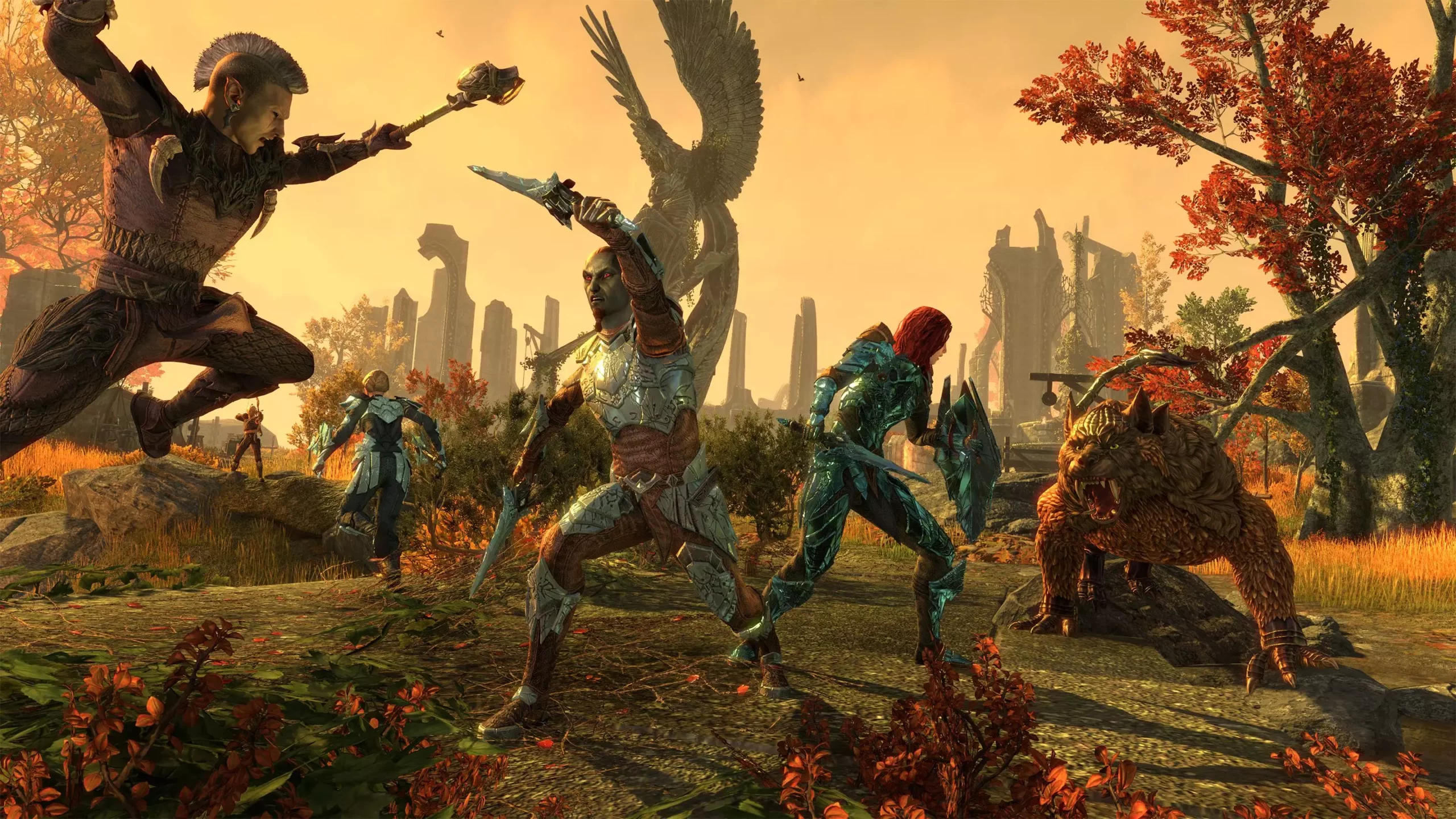
The recent wave of layoffs at ZeniMax, and by extension Microsoft, underscores a profound crisis within the gaming industry — not just in terms of numbers, but in the emotional devastation inflicted upon its creators. These developers are not mere cogs in a corporate wheel; they are passionate artisans committed to storytelling, innovation, and crafting immersive worlds. The abrupt termination of long-serving staff members, some who’ve dedicated decades to shaping beloved franchises, strips away more than just jobs; it erodes the very fabric of institutional memory and creative continuity. These layoffs resonate deeply on a personal level, leaving survivors grappling with grief, insecurity, and a stark sense of loss.
The accounts from displaced employees reveal a community stunned by the scale and coldness of the dismissals. For many, it was the culmination of years, sometimes decades, of emotional investment. The words of Page Branson, a union member and remaining staffer at ZeniMax, echo a pain that transcends professional boundaries: “one of the worst days at a job I’ve ever had.” The emotional scars are palpable, exposing how industrial decisions can feel like personal betrayals, especially when colleagues and mentors are shown the door without warning or regard for their contributions.
The Impact on Creative Output and Industry Stability
The immediate consequence of such mass layoffs is a significant slowdown in the studio’s ability to produce high-quality, innovative content. Projects like the canceled Blackbird MMO—not just a business venture, but a hopeful testament to the studio’s commitment to the gaming community—symbolize what is lost when experienced personnel are dispensed with wholesale. Autumn Mitchell, a union member and QA tester, emphasizes that approximately a third of the institution’s accumulated knowledge appears to have vanished, raising alarming doubts about the studio’s future capacity to deliver compelling titles.
This attrition isn’t superficial. It strikes at the core of creative momentum. Long-standing teams develop a nuanced understanding of their projects, an intangible synergy built over years. When those teams are dismantled abruptly, the resulting gaps threaten to diminish the quality and ambition of future releases. The decline in game development cadence, smaller expansions, and fewer blockbuster projects is inevitable and disheartening. It indicates not just a temporary setback but a potential devaluation of a studio’s legacy, with trends suggesting a future where the studio’s once-storied output could stagnate or diminish altogether.
The Industry’s Broader Crisis and Its Ripple Effects
The layoffs at ZeniMax serve as a microcosm of the entire gaming industry’s current fragility. The gaming world appears to be caught in a perfect storm of corporate cost-cutting, shareholder pressures, and a volatile market that increasingly values short-term profitability over long-term creative investment. This culture fosters an environment rife with anxiety, where developers are often left questioning whether their work truly matters or if their jobs are just temporary blips on a financial ledger.
Such instability hampers genuine creative passion. When security is sacrificed for quarterly earnings, the motivation to push boundaries diminishes, replaced by a focus on deliverables that fulfill immediate expectations rather than nurturing innovation. The collective morale plummets, and it becomes increasingly difficult for developers to pour themselves into their craft with the same fervor that once fueled industry classics.
It’s crucial to recognize that behind every dismissal is a human story—families disrupted, careers derailed, and dreams deferred. The industry needs to confront its reliance on ruthless cost-cutting at the expense of its talent pool. Until this systemic issue is addressed, the promise of truly remarkable, culturally impactful games will remain at risk, obstructed by a relentless pursuit of short-term financial gains.
Leave a Reply