
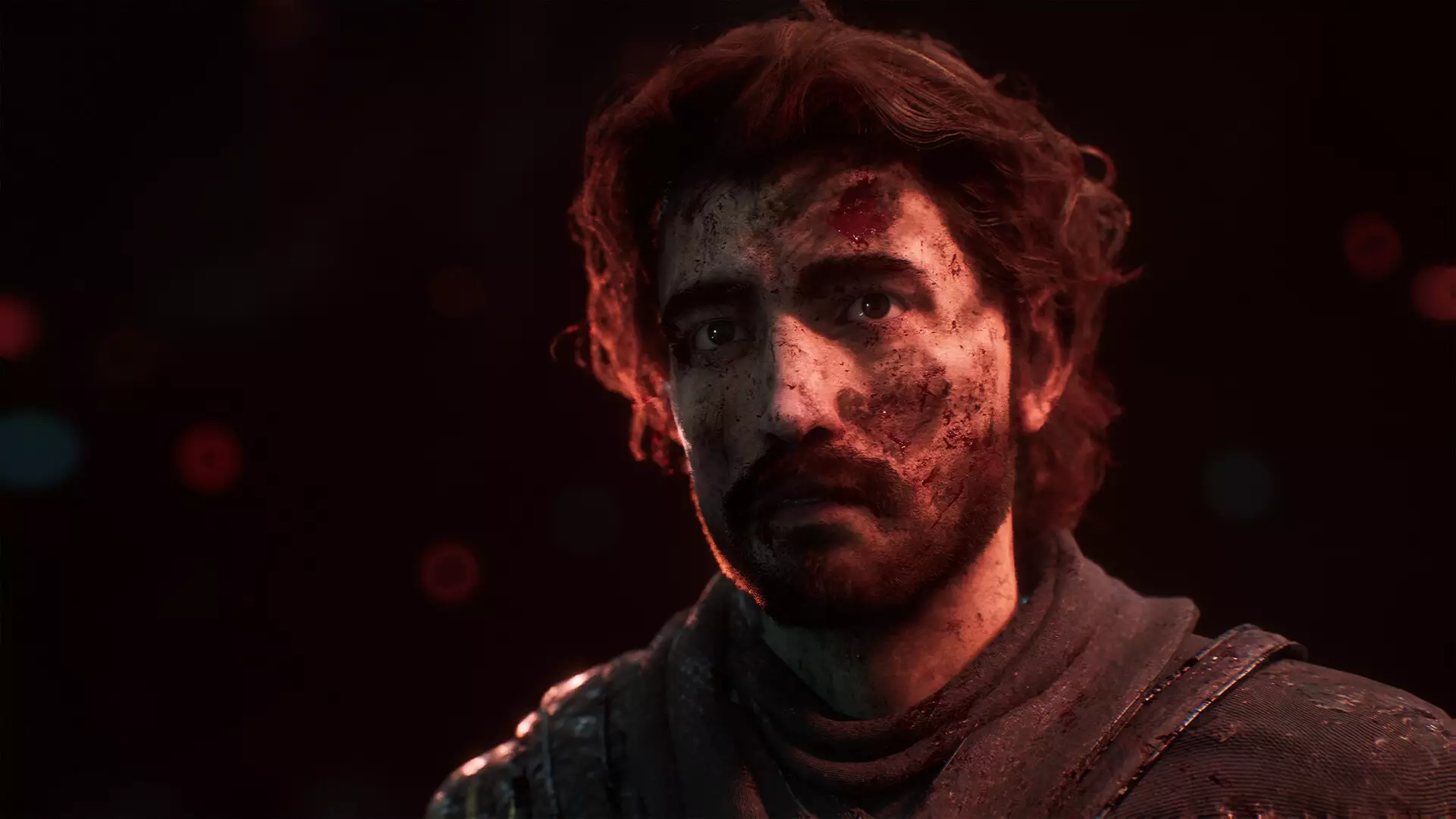
In an industry often hesitant to challenge conventional storytelling norms, *Clair Obscur: Expedition 33* emerges as a startlingly fearless contender. Its audacious decision to kill off its protagonist early on isn’t just shocking — it’s a fundamental statement about the game’s core philosophy that sacrifice and loss are integral to authentic narrative experiences. This choice exemplifies how embracing emotional risk can elevate a game from mere entertainment to a profound exploration of human themes. Though many might dismiss such a move as a superficial stunt, in reality, it taps into an essential truth about storytelling: sometimes, the most memorable stories are those where characters face impossible choices and inevitable departures.
The Hidden Depths Behind the Decision
What lies beneath the surface of this seemingly brutal narrative decision? According to Guillaume Broche, the game’s director, the concept was born from a mixture of creative experimentation and a desire to forge a meaningful connection with players. Originally conceived within an earlier project titled *We Lost*, the death of Gustave, the game’s initial protagonist, was initially a joke among the team. It was a provocative thought — what if players could experience the devastation of losing their main character? Broche admits that this shocking idea was taken seriously and developed into a core element of the game’s storytelling.
This daring choice aligns with the overarching theme of *Clair Obscur* — the inevitability of loss and the emotional resilience required to overcome it. It’s a calculated move to engender empathy, forcing players to confront feelings of attachment, grief, and the impermanence of life itself within a fictional universe. By doing so, the developers challenge players to rethink what it means to truly invest in a character’s journey. Their engagement isn’t just superficial; it’s visceral, deep, and transformative. Such narrative bravery isn’t common, and it’s precisely what distinguishes *Clair Obscur* within the crowded landscape of adventure games.
The Artistic and Philosophical Significance of Sacrifice
The decision also reflects a profound philosophical stance. By consciously killing Gustave early in the story, the narrative underscores that heroism is not about invincibility — it’s about resilience in the face of vulnerability. Broche emphasizes that the experience of loss isn’t merely about sadness; it’s about growth and understanding. The game invites players to endure the emotional pain of losing someone they’ve come to care about, with the understanding that such pain is ultimately a catalyst for meaningful development.
In a broader context, *Clair Obscur* challenges the traditional RPG trope that survival of the protagonist equates to success. Instead, it suggests that true storytelling lies in confronting harsh realities, embracing vulnerability, and acknowledging that sometimes, the greatest victories come from the courage to accept loss. This perspective not only enriches the narrative but also fosters a more authentic emotional landscape, compelling players to reflect on their own experiences of loss and perseverance.
Personal Reflection: The Courage to Break Conventions
In my honest critique, what makes *Clair Obscur* truly compelling isn’t just its plot twist — it’s its unwavering commitment to emotional truth. The developers’ willingness to risk alienating some players by killing Gustave demonstrates a rare confidence that storytelling should serve emotional resonance first and foremost. It’s a bold statement that game creators can and should push boundaries, questioning conventions that have become stagnant.
Furthermore, this creative choice opens a window for players to experience vulnerability within a safe, fictional environment. It transforms gameplay into an emotionally enriching journey, where attachment isn’t a liability but a pathway to deeper engagement. Such storytelling not only makes *Clair Obscur* stand out but also sets a precedent for future narratives. It reminds us that sometimes, the most impactful stories are those that dare to be uncomfortable, that challenge our expectations, and that reflect the raw complexities of real life. In a media landscape saturated with predictable plots, embracing genuine risk is perhaps the most powerful form of storytelling we can witness.
Leave a Reply