
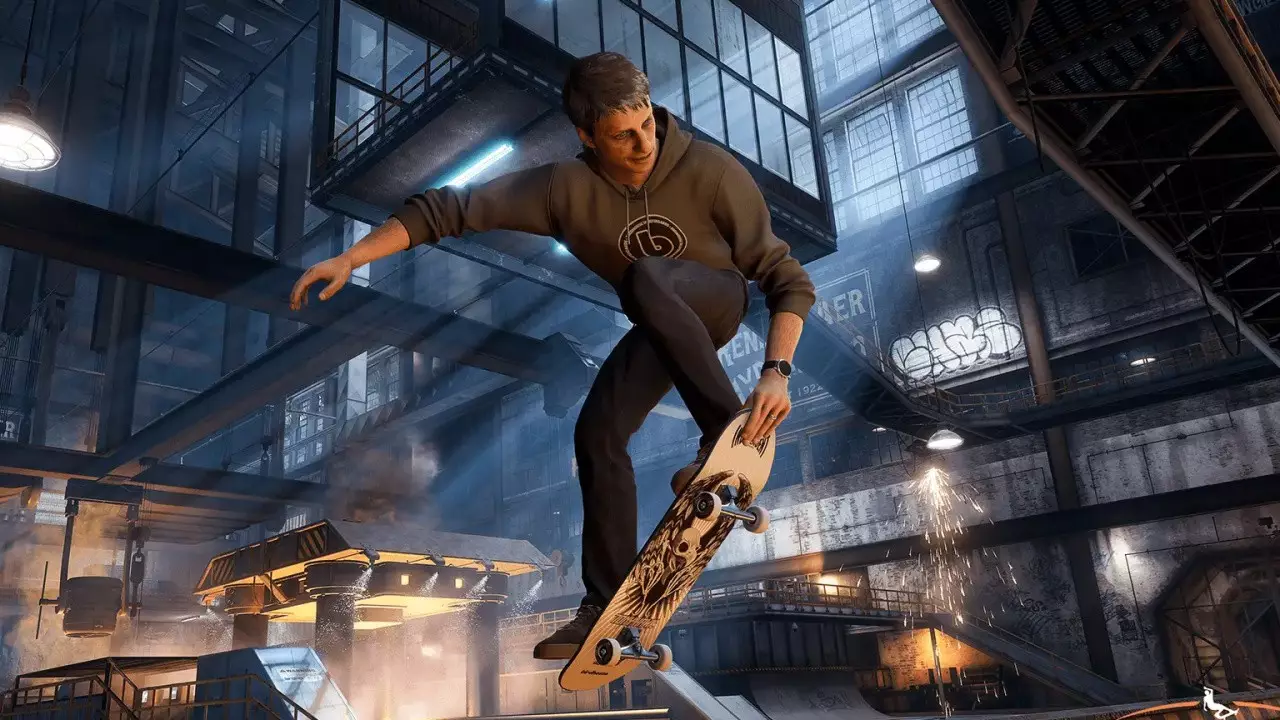
The recent return of the Tony Hawk’s Pro Skater series—specifically the third and fourth installments—marks a pivotal moment for both longtime fans and newcomers alike. This reimagining not only pays homage to the legendary skater Tony Hawk but also seeks to rejuvenate a franchise that once defined extreme sports gaming. While the core gameplay remains rooted in tight, visceral skateboarding mechanics, the latest release introduces notable updates and changes that elicit a mix of excitement and controversy. It’s a bold attempt to blend the beloved elements of the originals with fresh ideas, yet it also raises questions about fidelity and innovation in a series revered for its consistency.
This compilation aims to deliver a comprehensive snapshot of what this revival offers, blending heartfelt nostalgia with contemporary gaming sensibilities. Ultimately, it’s about more than just remastering old levels; it’s about reigniting a cultural phenomenon. The franchise’s ability to adapt and evolve is essential—especially in an era increasingly defined by the quest for authenticity and innovation. So, how well does this latest iteration succeed? The answer is complex and layered, illustrating both the strengths and the pitfalls of attempting to breathe new life into a classic.
Strengths of the Revival: Masterful Mechanics and Fan-Driven Confidence
At the heart of this remaster lies a steadfast commitment to the hallmark features that made the original games so compelling. Critics and players alike have lauded the fluidity and responsiveness of the skating physics, emphasizing that the core gameplay remains as tight and exhilarating as ever. The nuanced controls allow for high-skill maneuvers, blending accessible play for newcomers with the depth that keeps veterans engaged for hours. This enduring gameplay loop is what truly sets Tony Hawk’s franchise apart and is wisely preserved here, ensuring that the thrill of chaining tricks persists.
Beyond mechanics, the game’s thoughtful inclusion of diverse levels—ranging from iconic locations like Alcatraz to imaginative new venues such as a giant pinball machine—demonstrates a clear dedication to variety and challenge. Returning skaters will recognize old favorites, while new areas invigorate the experience with fresh visual and gameplay spectacles. The integration of multiple game modes also enhances replayability, catering to different playstyles and competitive spirits, whether through single runs, challenges, or multiplayer options.
Most notably, the attention to preserving the spirit of those early 2000s classics shines through in the game’s attention to feel and authenticity. Despite some perceived shortcomings, the core experience remains a celebration of skateboarding culture, with a soundtrack that, although pared down, still captures the rebellious and energetic vibe that fans hold dear.
Criticisms and Controversies: Risk-Taking or Missteps?
No reimagining is without its flaws, and this edition of Tony Hawk’s Pro Skater 3 & 4 treads a fine line between innovation and alienation. One of the most cited issues is related to changes in the game’s structure, especially with how levels and modes are adapted. Critics have pointed out that certain decisions—like the reconfiguration of the Career mode or alterations to level design—may not sit well with fans who associate the franchise with its original gameplay flow.
Furthermore, some of these modifications, such as omitting substantial portions of the soundtrack or standard timer mechanics, seem to undermine the series’ identity. The soundtrack, in particular, is a cornerstone of the series’ charm, and its reduction feels like a missed opportunity—diminishing the cultural impact that contributed to the franchise’s legendary status.
Additionally, the transition to newer platforms, including the Nintendo Switch and Switch 2, introduces technical challenges. While early impressions suggest the gameplay remains solid, there’s an unavoidable anxiety about performance stability and the fidelity of the experience on different hardware. Fans eager to see seamless ports may be disappointed if compromises are made in the process.
In essence, this revival walks a tightrope—striving to innovate and appeal to modern gamers while honoring decades of established tradition. It’s an ambitious endeavor, but one that could have benefited from a clearer focus on preserving the franchise’s iconic elements rather than tweaking them for the sake of novelty.
The Final Verdict: A Game That Resurges with Passion and Purpose
This latest release of Tony Hawk’s Pro Skater 3 & 4 stands as a testament to the enduring appeal of skateboarding’s digital incarnation. While it is not without its flaws, the core gameplay remains remarkably compelling. It challenges players to master its nuances and relishes the nostalgia for those who grew up shredding the original levels, yet it also pushes to appeal to a new generation with inventive design choices and contemporary updates.
Ultimately, this revival feels less like a perfect rewrite and more like a passionate reinterpretation—one that recognizes the series’ profound legacy while daring to explore new territory. It’s an affirmation that, despite the shifting landscape of gaming, the spirit of skateboarding—that sense of freedom, rebellion, and artistry—continues to thrive. Whether it’s on the Switch or other platforms, the game invites players to step back onto the board and embrace the thrill of the grind once more, with all its risks, rewards, and raw energy.
Leave a Reply